Double-wall high
borosilicate glass cups are widely favored for daily coffee, tea and wine drinking, thanks to their heat insulation, shatter resistance and crystal transparency. Unlike ordinary soda-lime glass, they rely on boron-doped glass raw materials and sophisticated multi-stage thermal processing to create a sealed vacuum interlayer. Every finished cup goes through strict material refining, shaping, sealing, vacuum extraction and stress elimination to deliver stable thermal shock resistance.
The whole production starts with raw material preparation and tube cutting. High borosilicate glass consists of over 70% silica sand, 6% to 12% boron trioxide and balanced alumina, which drastically lowers thermal expansion coefficient to avoid cracking under sudden hot-cold shifts. Factories purchase standardized seamless
borosilicate glass tubes of two diameters: thinner tubes for inner liners and wider ones for outer shells. Automated cutting machines slice tubes to exact heights, then grind both ends to remove sharp burrs. All blanks are washed and fully dried to eliminate dust, which would generate tiny bubbles during high-temperature fusion and ruin the cup’s clarity.
Next comes high-temperature forming of inner and outer cup bodies. Preheated tube blanks are softened at 600 to 800 degrees Celsius, then shaped via mechanical blowing or hand blowing. Automated production uses precision metal molds to form smooth inner containers, while hand-blown crafts adopt blowpipes for irregular, artistic cup shapes. The outer shell is formed with a consistent gap reserved between it and the inner liner—this uniform void is the foundation of thermal insulation. Operators conduct initial visual inspection to discard pieces with uneven walls or deformed rims before assembly.

Rim fusion and bottom sealing are core bonding procedures. Workers nest the inner liner perfectly inside the outer shell, align the two rims tightly, and apply oxy-fuel flame at 450–600°C to melt and weld the glass rims into one seamless whole. Some styles integrate glass handles onto outer shells during this step for ergonomic grip. After rim sealing, a tiny exhaust tail tube is reserved at the cup bottom for later vacuum treatment, then the bottom edge is flame-fused to lock the double-layer structure temporarily.
Vacuum pumping distinguishes premium double-wall glassware from low-grade products. Two mainstream technologies are adopted: tail-sealed vacuum and seamless laser vacuum. For cost-effective tail-sealed cups, pumps extract air from the interlayer until vacuum pressure reaches 10⁻³ Pa, then heat-seal the tail tube, leaving a tiny dot on the base. High-end cups apply laser seamless sealing, removing the exhaust tube entirely to create flat, smooth bottoms and higher vacuum tightness, delivering longer-lasting heat preservation and anti-scald performance.
Annealing is an indispensable stress-relief step that prevents spontaneous cracking. Freshly sealed cups hold massive internal thermal stress from repeated high-temperature welding. They are transported into tunnel annealing furnaces, heated steadily to 600°C, held for hours, then cooled down to room temperature at a controlled slow gradient over 12 to 24 hours. This gradual cooling eliminates residual stress and greatly improves the glass’s durability against boiling water and cold ice.
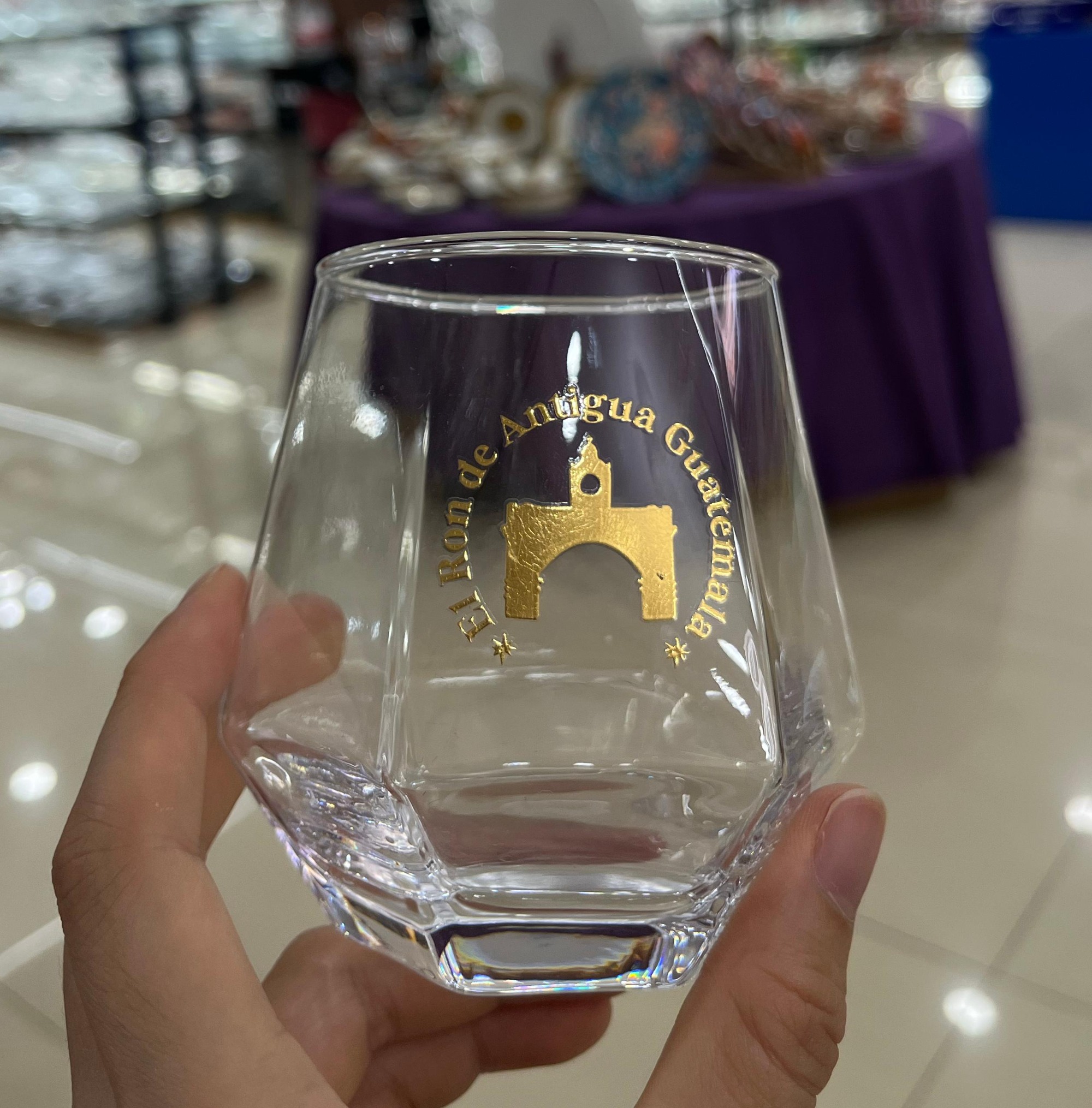
The final stage covers polishing, decoration and strict quality testing. Annealed cups undergo base polishing to stabilize placement; brands may print heat-resistant decals or etch logos on outer walls. Each finished product passes three tests: thermal shock test (alternating boiling water and ice water), vacuum insulation test and leakage inspection. Defective items with air leakage, bubbles or cracks are recycled. Only qualified double-wall borosilicate
glass cups enter packaging, ready for global catering and household markets.
From mineral raw materials to insulated drinking vessels, the entire manufacturing chain highlights precise thermal control and vacuum craftsmanship. It is these rigorous procedures that make high borosilicate double-wall glass a safe, long-lasting tableware choice for consumers worldwide.


 Rim fusion and bottom sealing are core bonding procedures. Workers nest the inner liner perfectly inside the outer shell, align the two rims tightly, and apply oxy-fuel flame at 450–600°C to melt and weld the glass rims into one seamless whole. Some styles integrate glass handles onto outer shells during this step for ergonomic grip. After rim sealing, a tiny exhaust tail tube is reserved at the cup bottom for later vacuum treatment, then the bottom edge is flame-fused to lock the double-layer structure temporarily.