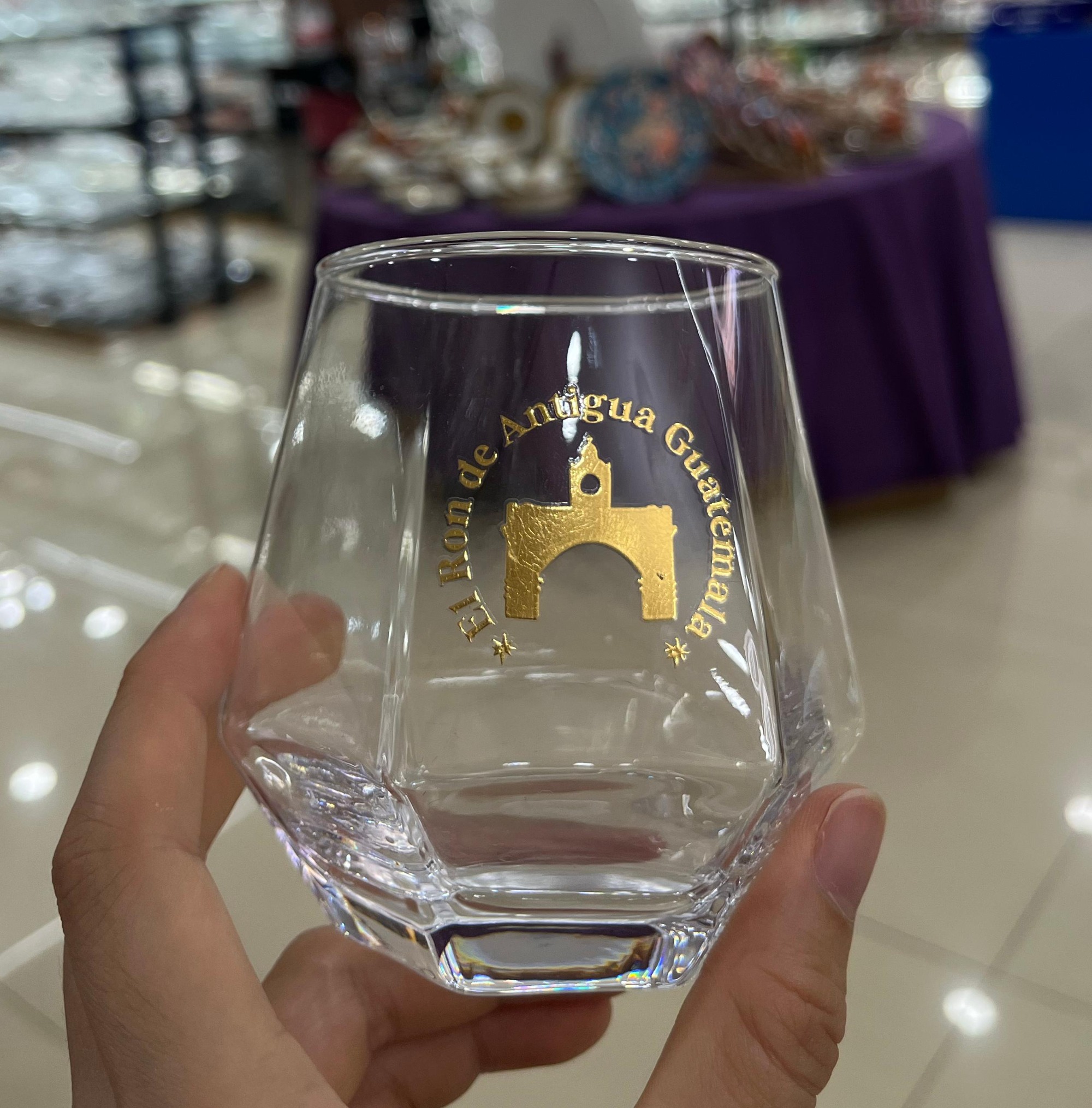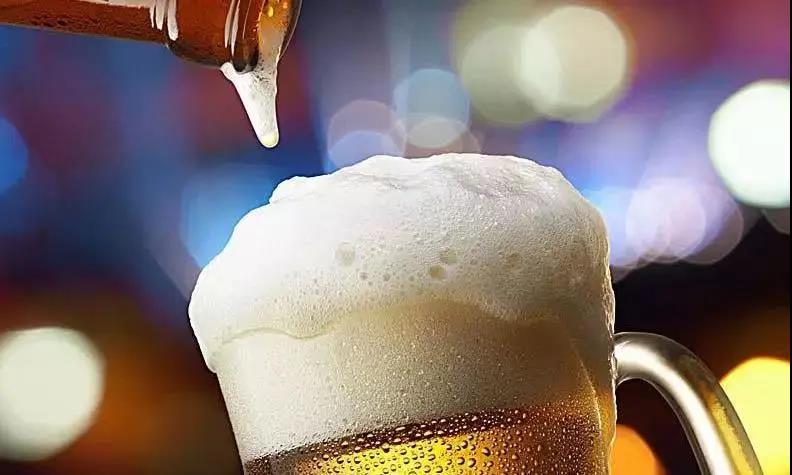
In the early days, people generally used wood and pottery to make beer glasses
Although glass beer mugs are the most common beer utensils today, the popularity of glass beer mugs is less than two hundred years.
Hundreds of years ago, glass was still a very rare and expensive material. At that time, Europeans generally used wood and pottery, and even tarred leather goods as beer glasses. The rich will use tin cups, silver cups, porcelain, etc. The royal family and nobles also used luxury materials such as jade and ivory to make beer glasses.
In the second half of the 19th century, glassware became popular.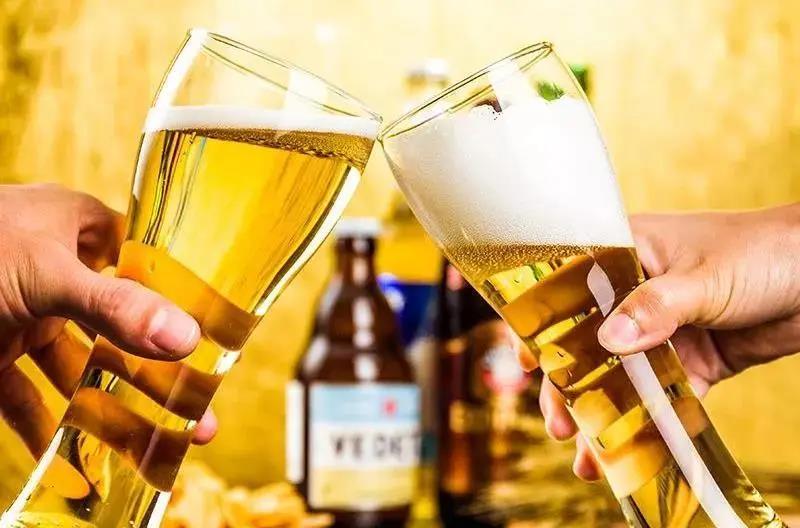
It was not until the second half of the 19th century that glassware could be mass-produced by machines, and glass gradually entered the lives of ordinary people. Nowadays, glass beer mugs have become one of the most widely distributed and most popular beer vessels in the world with low cost, transparent appearance and stable chemical properties.
The matching of wine and wine utensils has always been a lot of attention.
"Drinking wine must pay attention to wine utensils, what kind of wine to drink, what kind of wine glass should be used."
Choosing the right beer glass can make the beer's color, aroma, taste and taste reach the best state. The "Beer Bible" splits the quality of beer into the following indicators:
1.Smell (produced from raw materials such as malt and hops, but will be changed or increased by yeast)
2. Wine head, that is, foam (medium-length protein from malt and wheat, oats and barley. Affected by saccharification, may also be affected by filtration)
3. Color (mainly from the process of drying the selected malt for brewing, but it is also affected by saccharification and boiling, and even to some extent by fermentation and filtration)
4. Carbonic acid (carbon dioxide gas, by-product of yeast fermentation)
5. Wine body and taste (protein in malt, affected by brewing, fermentation and filtration procedures; sweetness comes from various proportions and fermentation between malt and saccharification)
6. Flavor (malt, hops and brewing water, affected by many aspects of the brewing process)
7. Alcohol (more fermentable substances means more alcohol)
In general, the size of the opening and bottom of the cup, whether the edge of the cup is everted or bent, and whether the cup is slender or chunky, will affect the performance of beer aroma and foam. For example, a cup with a large mouth and a small bottom is conducive to the formation of foam; a glass with a narrower mouth than the body of the cup will make the aroma of the beer more concentrated. Some ingenious designs, such as wavy patterns, add a little optical effect to the beer itself. Large beer glasses usually require a cup handle and a certain anti-slip design to be at ease in the hand. At the same time, the handle of the cup can also reduce the effect of the temperature of the hand on the beer, because the biggest impact on the wine in the glass is the temperature at the time of drinking.
The wine glass itself can also be a work of art. Its design, overall texture and even thickness will unconsciously affect people's perception of beer.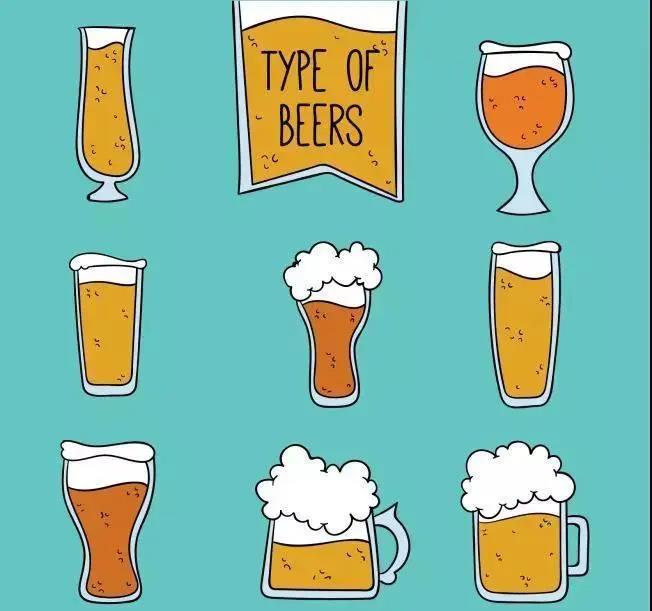











Guangzhou HeXie Glass Co., Ltd.
Address: No. 22, Building 53, Haotai Hotel Supplies Expo City, Yingbin Road, Luopu Street, Panyu District, Guangzhou
Tel: +86-18011970645
Email: info@hexieglass.com
https://www.hexieglass.com