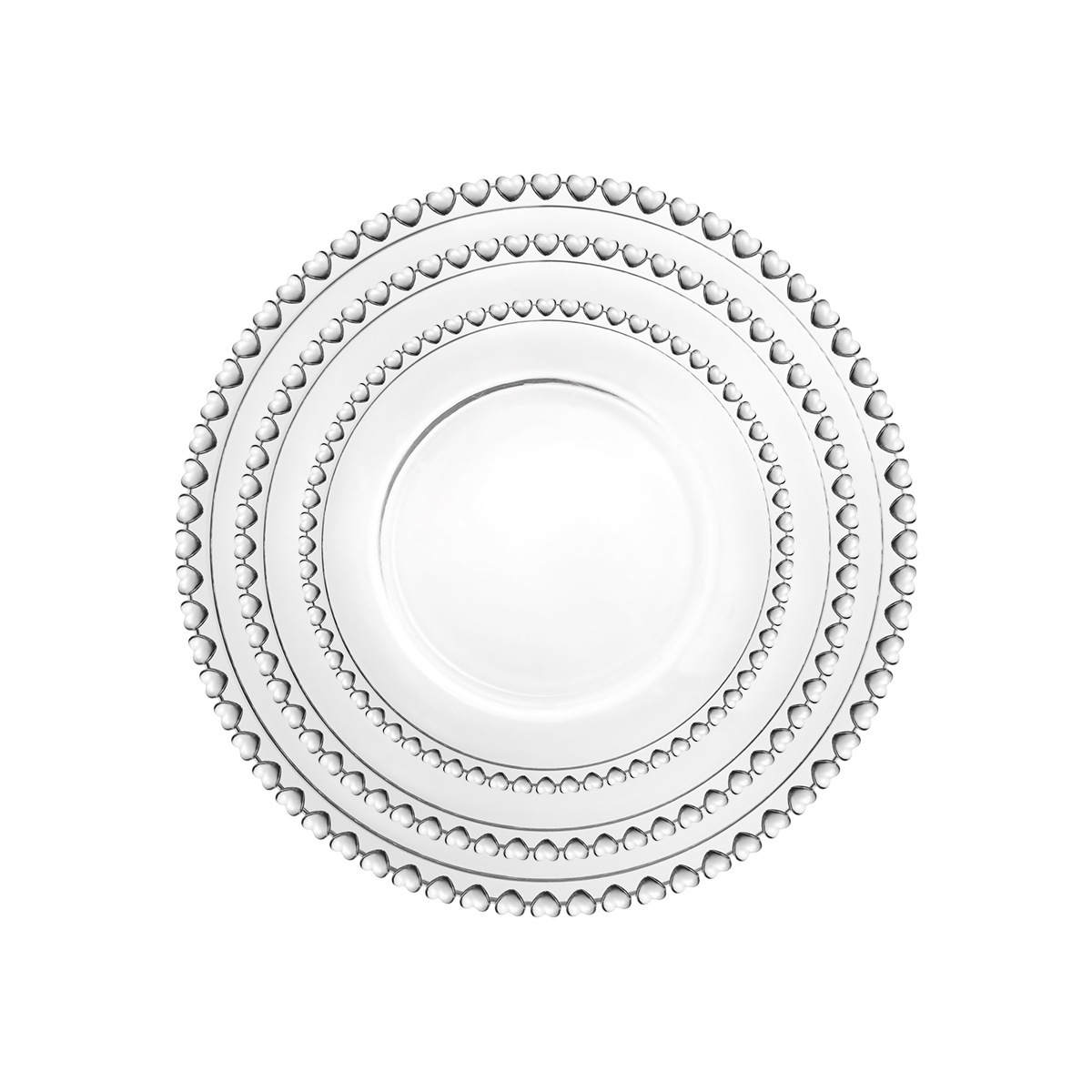
Glass baking dishes are a practical and essential tool in every kitchen, favored for their unique advantages and easy operation. Below is a detailed introduction to their core features and correct usage methods, helping you make full use of this versatile kitchenware.
Core Features of Glass Baking Dishes
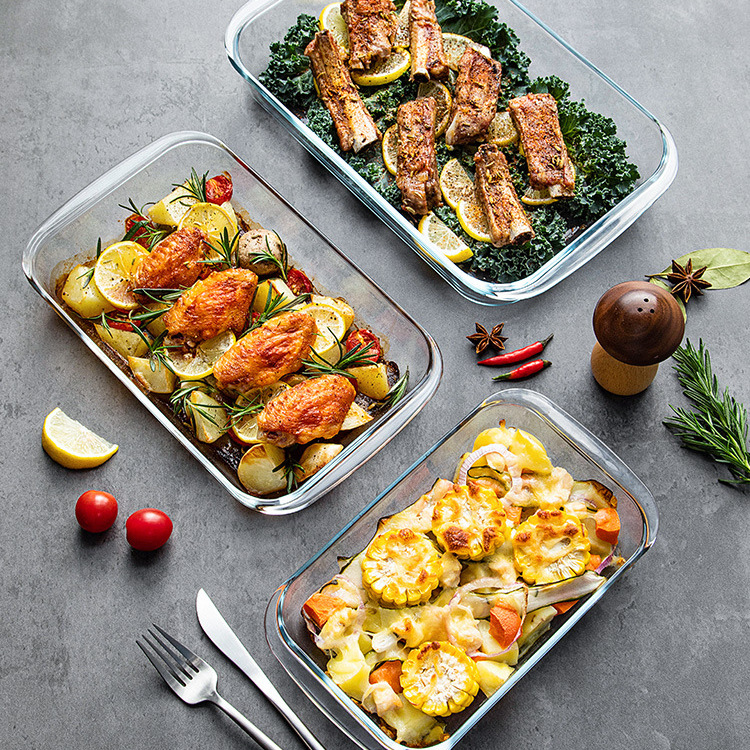
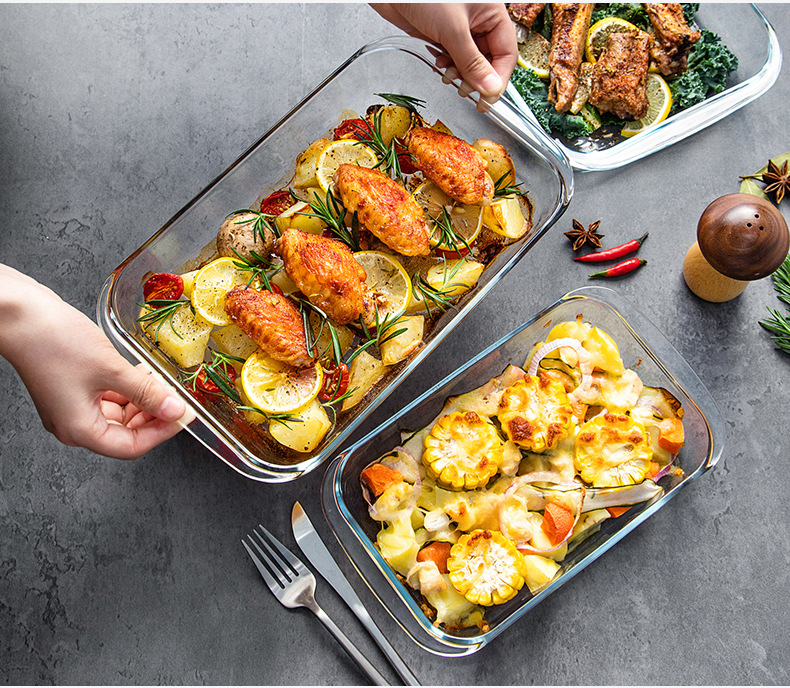
- Even Heat Distribution: Glass is a poor conductor of heat, which allows it to heat up slowly and evenly. This ensures that food is cooked thoroughly from the center to the edges, avoiding burnt spots or undercooked areas. It is especially suitable for baking casseroles, lasagnas, brownies, and roasted vegetables, delivering consistent and delicious results every time.
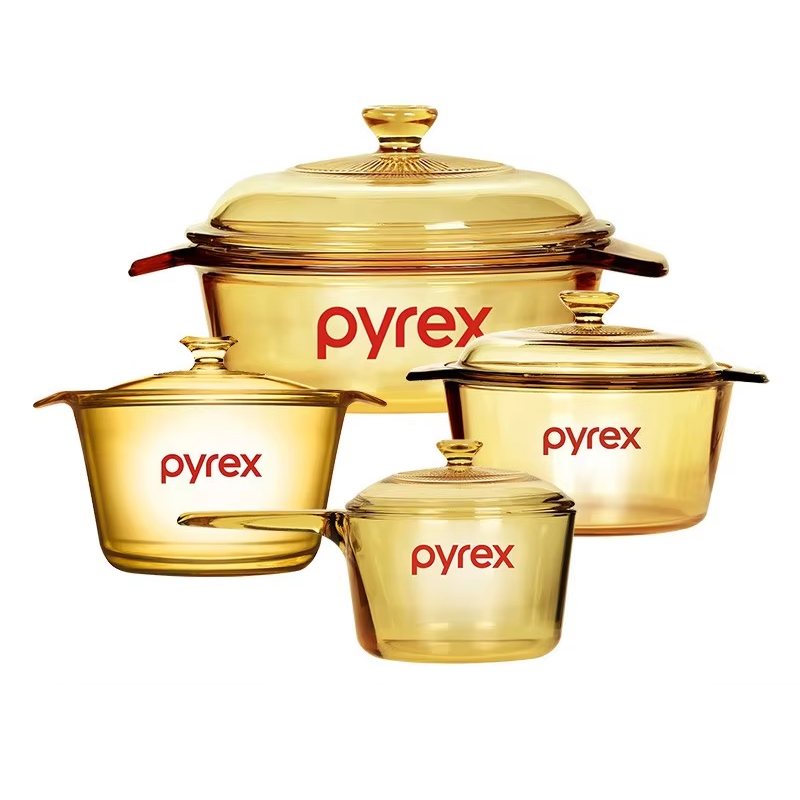
- High Transparency: Unlike opaque metal or ceramic pans, glass baking dishes are transparent, allowing you to monitor the cooking process without opening the oven. This helps retain the oven’s temperature, keeps food moist, and lets you check if the food is properly cooked or if the surface is golden brown at any time.
- Non-reactive and Safe: Glass is non-porous and non-reactive, meaning it will not absorb odors, flavors, or stains from food. This ensures that your dishes retain their original taste and freshness, and it is also free of harmful substances, making it safe for contact with food.
- Durable and Versatile: High-quality glass baking dishes are made of borosilicate glass, which is resistant to thermal shock. They can be used in the oven, microwave, refrigerator, and dishwasher, making them convenient for daily use. They are not easily damaged and can serve you for a long time with proper care.
Correct Usage Methods
- Preheating Preparation: Before using the glass baking dish, preheat the oven to the required temperature as specified in your recipe. Avoid putting a cold glass dish directly into a preheated oven, as sudden temperature changes may cause it to crack. If the dish is refrigerated, let it come to room temperature for 15-20 minutes first.
- Food Placement: Put the prepared food into the glass baking dish, leaving a small gap around the edges to allow heat to circulate evenly. Do not overfill the dish, as food may overflow during baking and cause cleaning troubles.
- Baking Process: Place the dish in the preheated oven, making sure it is placed steadily on the oven rack. Avoid touching the hot dish with bare hands; use oven mitts or tongs to move it to prevent burns.
- Cleaning and Maintenance: After use, let the glass dish cool down completely before cleaning. Do not rinse a hot dish with cold water, as this may cause thermal shock. It can be cleaned by hand with mild detergent or put into the dishwasher for convenience. Avoid using sharp tools to scratch the surface, so as not to affect its service life.
With these features and usage tips, a glass baking dish can become your reliable helper in the kitchen, making cooking easier and more enjoyable.