In traditional tea culture and modern fine drinking etiquette, a smelling cup is an indispensable piece of tableware designed specifically for capturing and appreciating the delicate aroma of tea and spirits. Among ceramic, porcelain, and metal alternatives, glass
smelling cups have gained growing popularity worldwide due to their pure material quality, professional structural advantages, and elegant appearance. With unique physical properties and superior usability, high-quality glass material makes the smelling cup more functional, healthier, and more suitable for sophisticated tasting experiences.
The most prominent advantage of glass smelling cups comes from their
pure and inert glass material. Premium food-grade
glass contains no pores, no chemical coatings, and no residual odor. Unlike ceramic cups that may retain old tea smells or metal utensils that produce metallic tastes, glass never interferes with the original flavor of tea. It does not absorb fragrance residues, nor does it release harmful substances during high-temperature brewing. This completely neutral material ensures that every layer of aroma, including floral notes, fruity sweetness, and roasted fragrance, can be presented in its most authentic state. For professional tea tasters and tea lovers, glass becomes the most reliable medium to restore the true taste of tea.
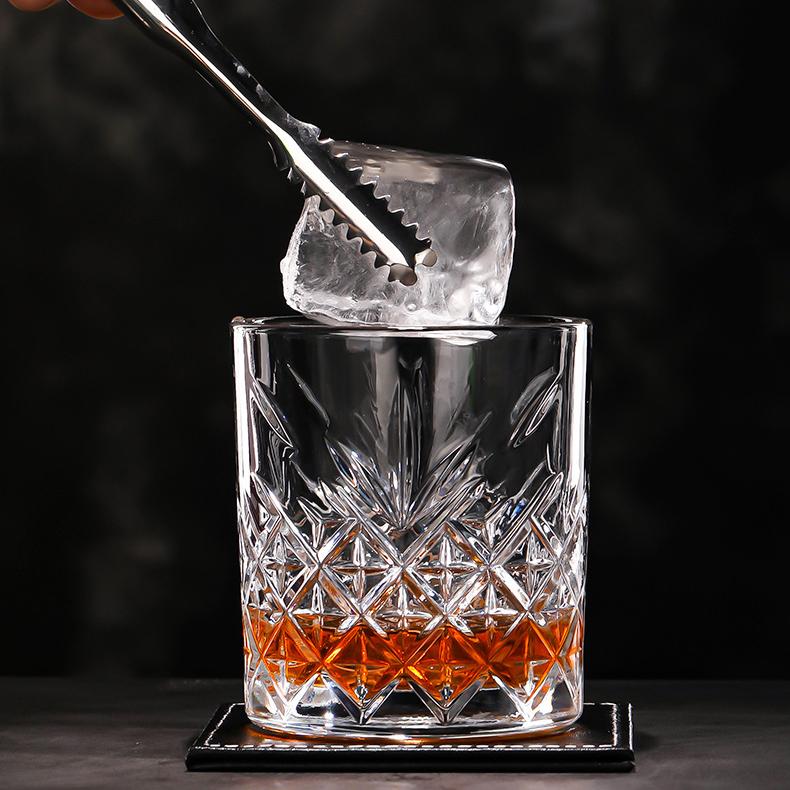
Beyond material purity, glass transparency greatly enhances the overall tasting ritual. A high-transparent glass smelling cup allows users to clearly observe the color, clarity, and texture of tea soup. The gradual changes in tea color, the floating of tea leaves, and the delicate luster of brewed liquid can all be fully displayed. This visual enjoyment adds artistic value to the tea ceremony, making the tasting process not only a taste experience but also a visual relaxation. In commercial tea rooms, high-end hotels, and tea exhibitions,
glass smelling cups are widely used precisely because they can present tea quality in the most intuitive and elegant way.
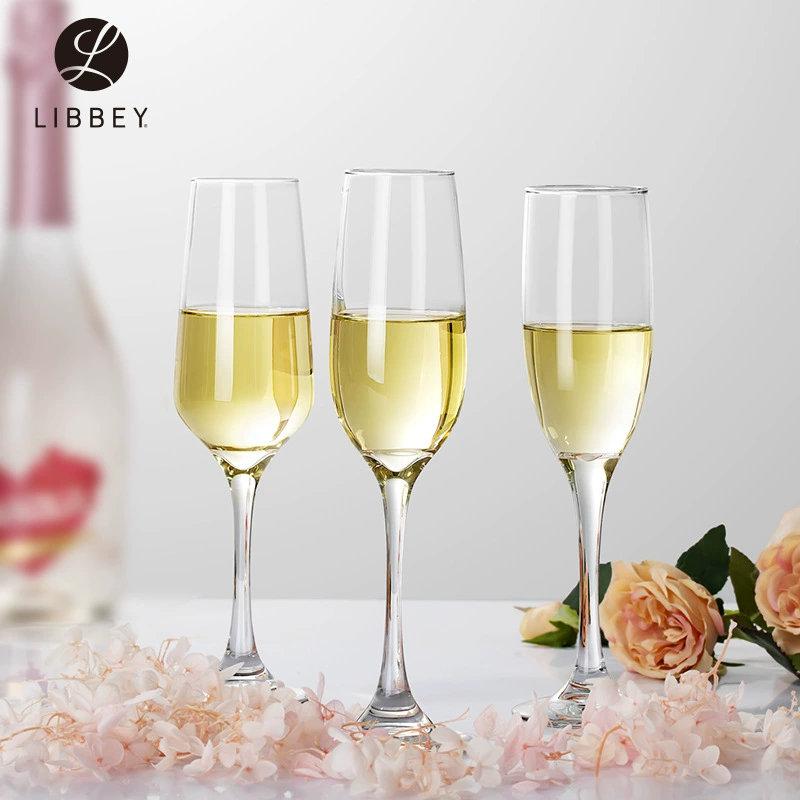
The structural compatibility of glass also optimizes the aroma-gathering effect. Most professional glass smelling cups adopt a narrow-mouth and wide-body design. The smooth inner wall of glass allows tea liquid to swirl evenly, helping aromatic molecules fully evaporate. The contracted cup mouth effectively concentrates dispersed fragrances, locking subtle scents that ordinary cups cannot retain. Thanks to glass’s smooth surface and stable temperature resistance, the cup maintains a proper temperature holding effect, slowing down aroma dissipation and allowing people to smell the layered fragrance repeatedly. This professional performance makes
glass smelling cups ideal for green tea, oolong tea, black tea, and even craft spirit tasting.
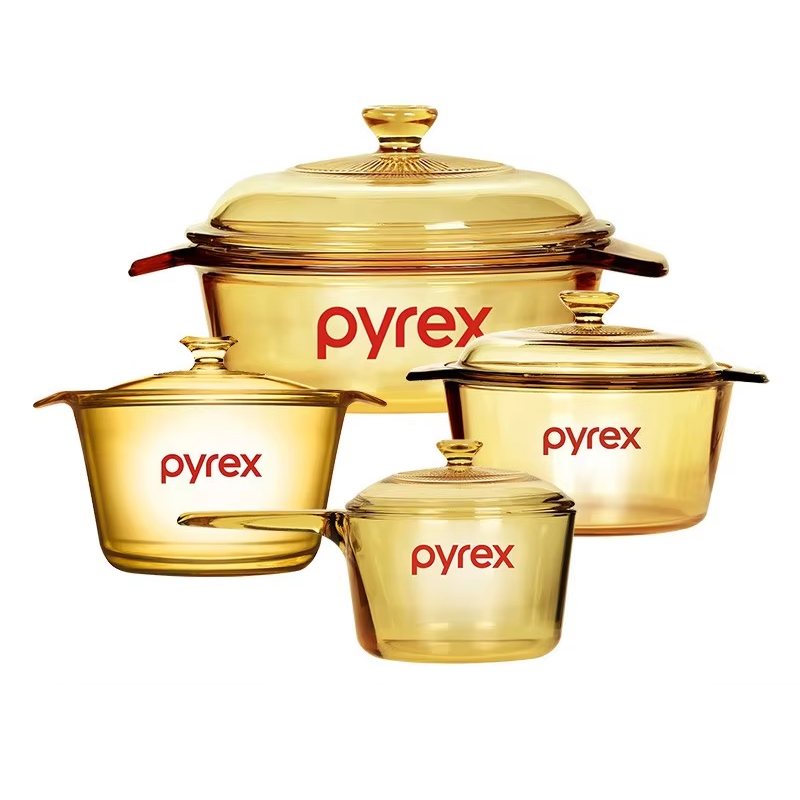
Durability and easy cleaning further prove the practical value of glass smelling cups. Modern high-temperature toughened glass features stable molecular structure, strong thermal shock resistance, and crack resistance. It can withstand boiling water infusion and rapid temperature changes without deformation or damage. Its smooth non-stick surface resists tea stains and odor accumulation, making daily cleaning extremely convenient. After simple washing, the cup restores its crystal-clear texture, avoiding the stubborn dirt and hidden bacteria found in porous ceramic tableware. Compared with disposable tasting tools, reusable glass cups are more eco-friendly and cost-effective, perfectly fitting global sustainable consumption trends.
In summary,
glass smelling cups perfectly combine health, professionalism, aesthetics and practicality. The pure glass material ensures zero interference with tea flavor, the transparent texture improves viewing experience, the professional structure enhances aroma gathering, and the sturdy craftsmanship guarantees long-term use. As people pursue higher-quality tea culture and refined lifestyle, glass smelling cups have become a symbol of elegant tasting utensils. They are not only practical daily tableware but also delicate artistic works that carry the ritual and beauty of traditional tea culture.