In a world filled with plastic, coated metal, and chemically treated tableware, primary raw‑material glass cups stand out as a timeless, healthy, and elegant choice for daily drinking. Often referred to as uncolored, virgin‑material glassware, these cups are made directly from high‑purity inorganic mineral raw materials without artificial pigments, surface coatings, or recycled glass impurities. They represent the most authentic form of glass drinkware, combining natural transparency, food‑grade safety, and durable practicality. As people increasingly prioritize health and environmental protection, primary raw‑material glass cups have become a preferred option for households, offices, cafes, and premium gift markets worldwide.
The core value of primary raw‑material glass cups lies in their material safety and purity. Unlike ordinary recycled glass products, which may contain residual impurities or unstable components from previous usage, primary raw glass is formulated from natural quartz sand, soda ash, limestone, and other food‑grade inorganic minerals. These materials are melted at temperatures above 1,500°C to form uniform, bubble‑free molten glass, ensuring zero release of heavy metals such as lead and cadmium. This production process fully complies with international food contact standards including FDA and LFGB, meaning users never need to worry about harmful substances migrating into beverages, even when holding boiling water, acidic juice, or hot tea. In contrast to plastic cups that may release microplastics under high temperatures or colored cups with surface coatings that risk peeling off, primary raw‑material glass provides a truly safe drinking experience.
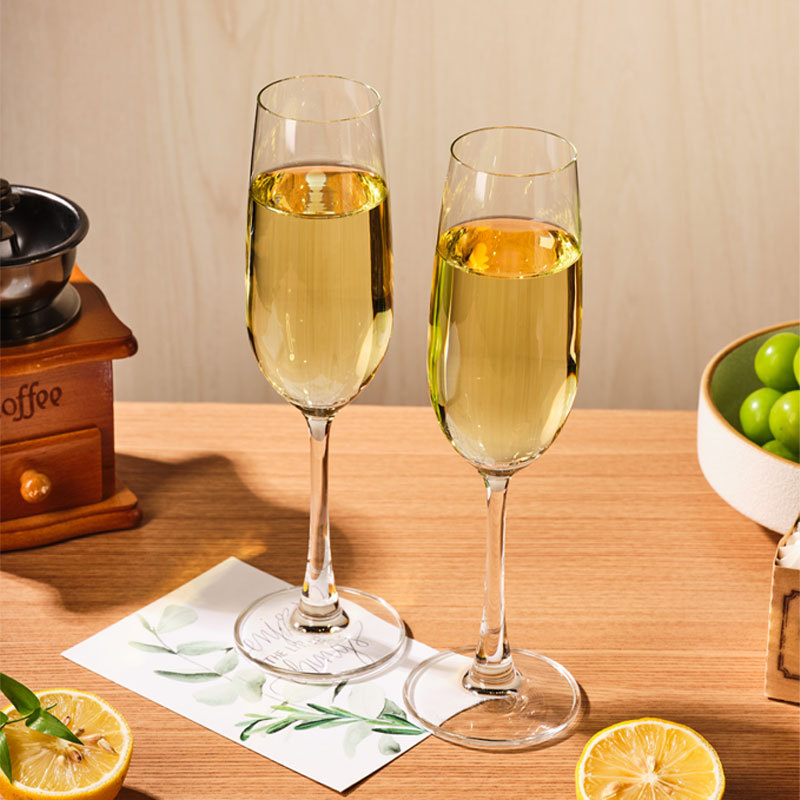
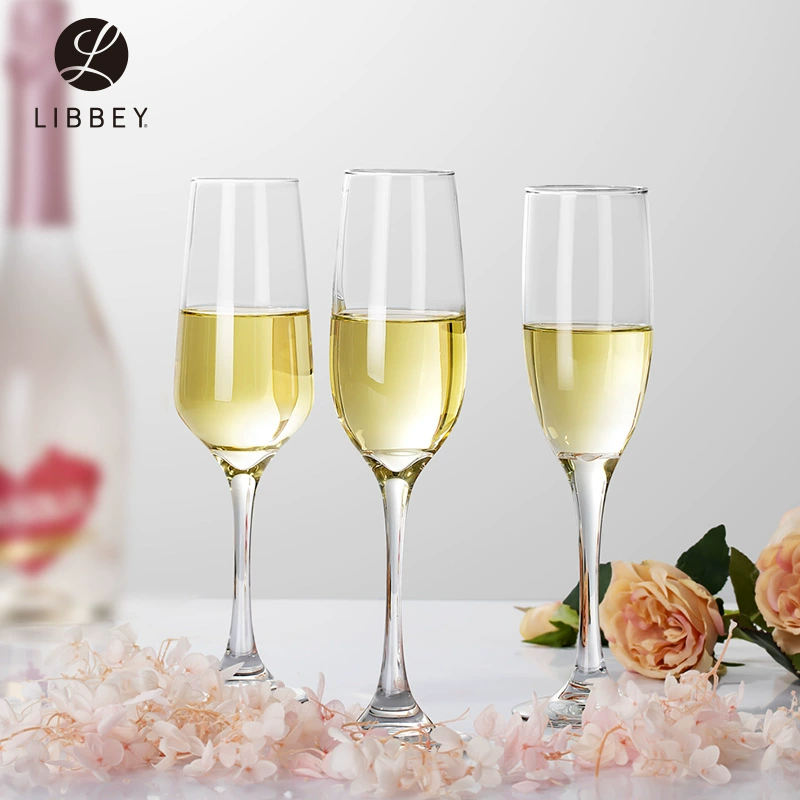
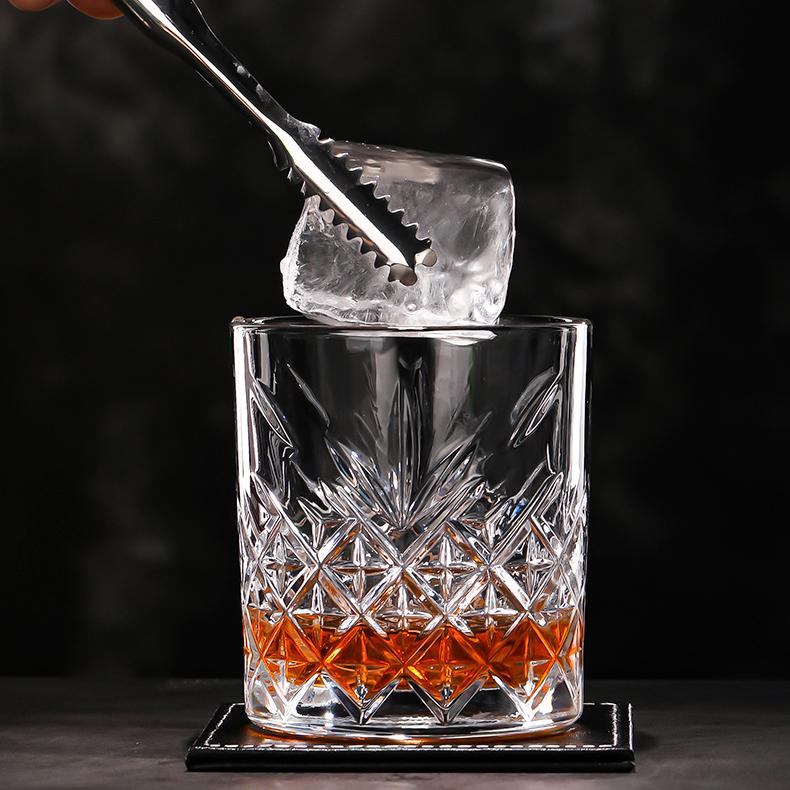
Another distinctive feature is its exceptional clarity and visual appeal. Primary raw glass has extremely high light transmittance, presenting a crystal‑clear appearance that faithfully displays the color, texture, and layers of any drink. Whether it is the golden hue of tea, the deep brown of coffee, the bright red of fruit juice, or the transparency of pure water, the glass cup enhances the sensory enjoyment of drinking. This clarity also reflects craftsmanship: high‑quality primary raw‑material cups are usually formed by precision blowing or pressing, with smooth rims polished by fire to offer a soft, comfortable touch on the lips. The thickened base design adds stability, prevents tipping, and gives the cup a substantial, premium feel without being overly heavy. Such simple yet refined aesthetics fit perfectly into modern minimalist, Japanese‑style, Nordic, and traditional home decor.
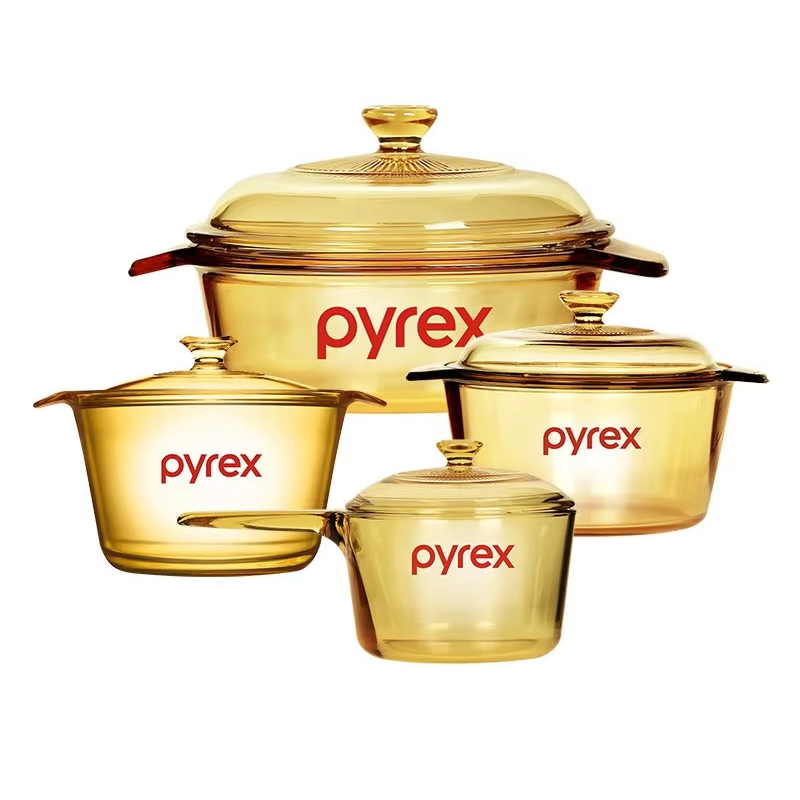
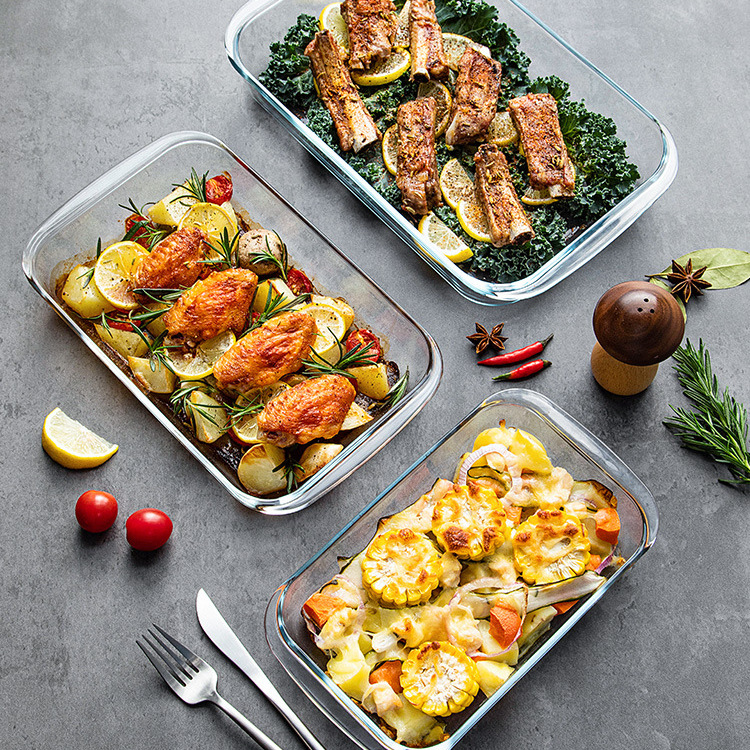
In terms of performance, primary raw‑material glass cups offer outstanding thermal stability and durability, especially those made from high‑borosilicate primary raw material. High‑borosilicate glass has an extremely low thermal expansion coefficient, enabling it to withstand rapid temperature differences exceeding 150°C—meaning it can safely hold boiling water right after being refrigerated without cracking. This makes it ideal for both hot drinks like tea and coffee and cold drinks like iced water and smoothies. Even regular soda‑lime primary raw glass offers good heat resistance and structural strength for daily use. Glass is also non‑porous, so it does not absorb odors, stains, or beverage residues. With simple cleaning using water and detergent, cups stay fresh and hygienic, avoiding the cross‑flavor issues common with plastic or wooden containers.
Primary raw‑material glass cups also lead in environmental sustainability. As a 100% recyclable inorganic material, glass can be melted and reused repeatedly without losing quality or producing toxic byproducts. Choosing glass over single‑use plastic significantly reduces plastic waste and environmental pollution. Unlike coated or printed cups, which complicate recycling, uncoated primary raw‑material cups are easily recycled and reprocessed, supporting a circular economy. Their long service life further improves eco‑efficiency: a well‑maintained glass cup can be used for years, far longer than disposable or easily damaged plastic products. For eco‑conscious consumers, this balance of practicality and sustainability is irreplaceable.
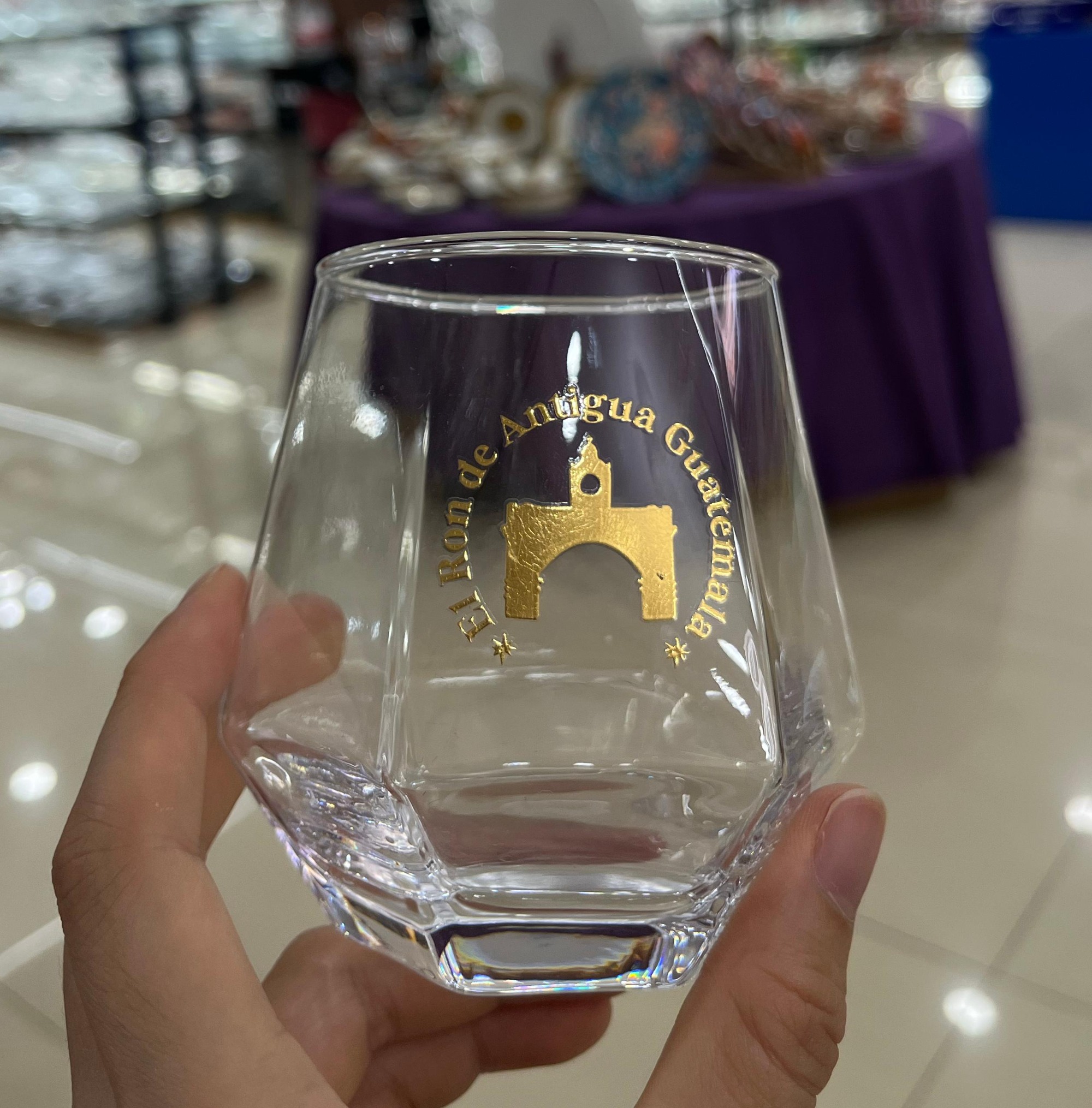
In daily life, primary raw‑material glass cups demonstrate wide versatility. They suit all ages and scenarios: for children, they provide safe water drinking; for adults, they elevate tea, coffee, and wine moments; for families, they serve as elegant table settings for meals and gatherings. Many brands offer customized options such as engraved logos or simple frosted decorations on the outer wall, retaining the raw‑material purity while adding personal or commercial identity. Unlike overly decorated drinkware that may feel flashy, primary raw glass maintains a low‑key, sophisticated style that never goes out of fashion.
To maintain primary raw‑material glass cups, simple habits extend their lifespan significantly. Avoid sudden extreme temperature changes for regular glass types; clean promptly after use to prevent stubborn stains; and handle with gentle care to reduce impact risks. With basic care, these cups remain crystal clear and structurally intact for long‑term use.
In conclusion, primary raw‑material glass cups are more than just drinkware—they are a lifestyle choice that embodies health, simplicity, and responsibility. Rooted in natural raw materials, crafted with strict safety standards, and designed for timeless beauty, they answer modern people’s demands for safe, comfortable, and eco‑friendly daily items. In an era of excessive industrial processing, returning to primary raw‑material glass means returning to purity and authenticity. Whether for personal use or as a thoughtful gift, these cups bring clarity to drinks, safety to daily life, and warmth to every sip. As a sustainable and elegant essential, primary raw‑material glass cups will continue to hold an irreplaceable place in homes and hearts around the world.









Guangzhou HeXie Glass Co., Ltd.
Address: No. 22, Building 53, Haotai Hotel Supplies Expo City, Yingbin Road, Luopu Street, Panyu District, Guangzhou
Tel: +86-18011970645
Email: info@hexieglass.com
https://www.hexieglass.com