With the continuous upgrading of global consumer demand for household and gift products, tempered glass cups have gradually replaced ordinary glass cups and become a popular choice in international trade, household consumption and commercial customization. Compared with plastic, ceramic and ordinary glass tableware, tempered
glass cups possess unique comprehensive advantages in safety, durability, appearance and environmental performance. They are not only practical daily necessities but also high-quality customized gifts, occupying an important share in the cross-border export market, hotel catering industry and high-end gift industry.
The most prominent advantage of tempered glass cups lies in their superior safety performance, which is the core reason for their wide global recognition. Ordinary glass cups are fragile and will produce sharp, jagged fragments when broken, easily causing scratches and accidental injuries. In contrast, tempered glass undergoes professional physical tempering treatment, forming a stable internal stress structure. Once damaged, it will automatically break into small, obtuse-angle granular fragments without sharp edges, greatly reducing the risk of injury during use. This essential safety feature enables tempered
glass tableware to meet strict international food-grade safety standards, making it suitable for families with children and the elderly, as well as high-standard commercial scenarios such as hotels and restaurants.
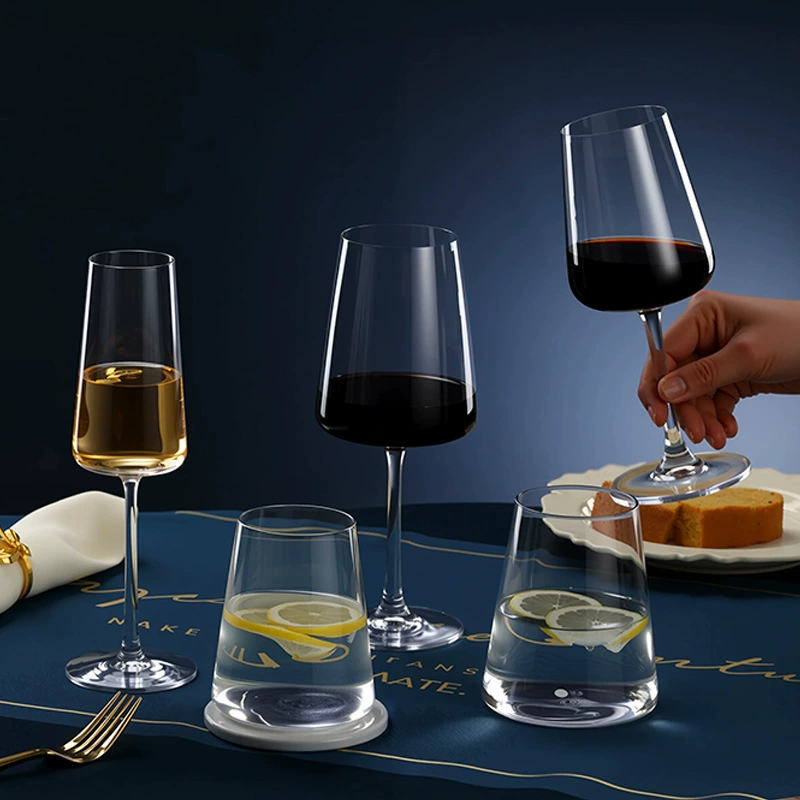
Excellent temperature resistance and structural durability are another major core strengths of tempered glass cups. Ordinary glass is prone to cracking when encountering sudden temperature changes, failing to adapt to the switching use of hot water, cold drinks and ice water. Tempered
glass cups can withstand extreme temperature differences ranging from minus 20 degrees Celsius to 120 degrees Celsius, effectively avoiding bursting caused by thermal expansion and cold contraction. Meanwhile, their impact resistance and compression resistance are far higher than ordinary glass products. They are not easy to crack or deform during daily handling, transportation and long-term use, greatly reducing product loss rates in logistics and after-sales maintenance costs for merchants.
In terms of appearance and practicability, tempered
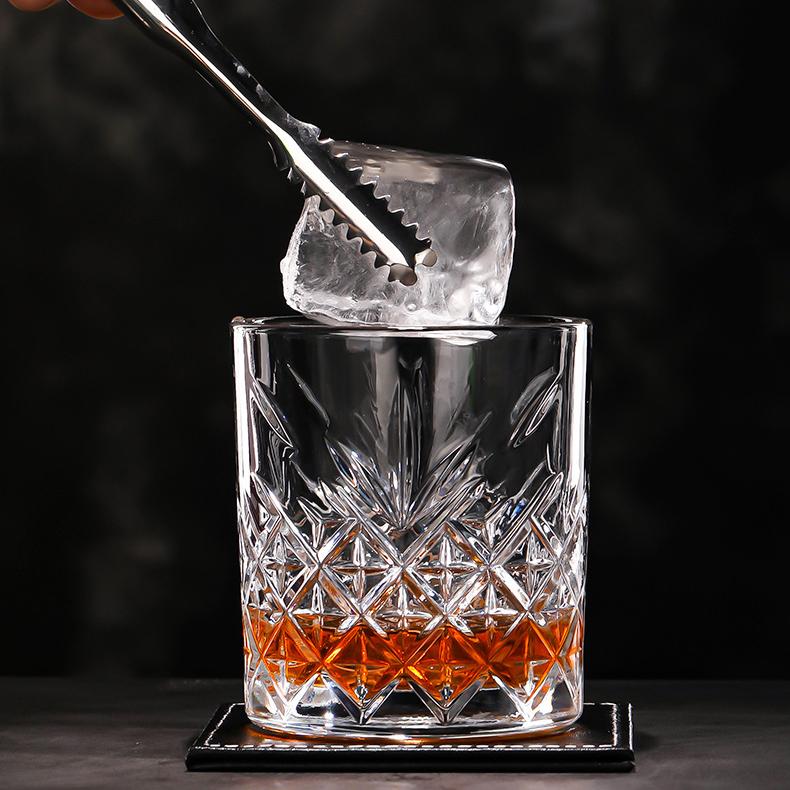
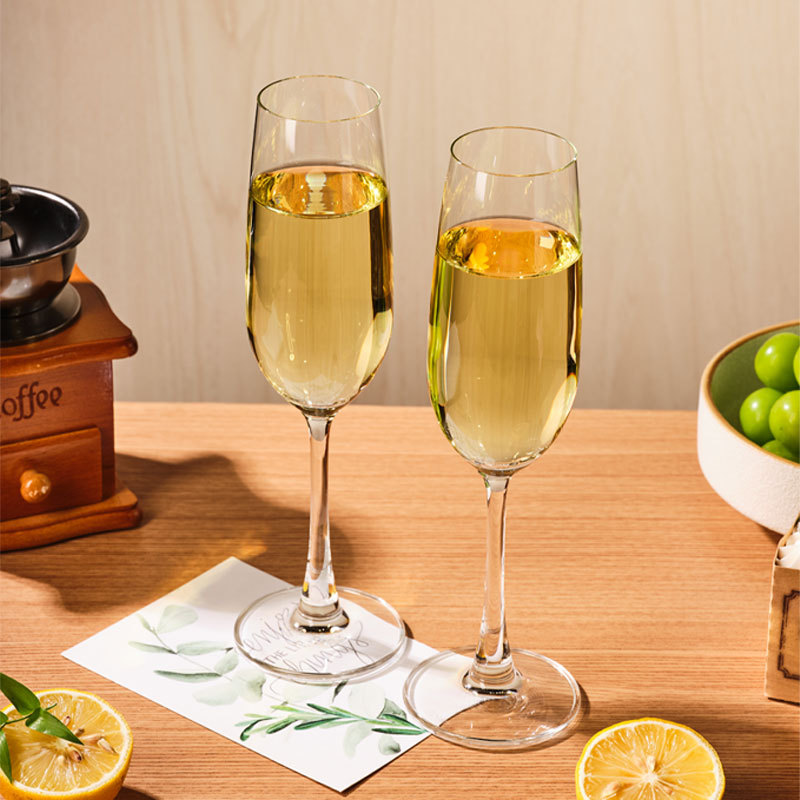
glass cups maintain the high transparency and delicate texture of traditional glass. The pure glass body can clearly present the color of drinks such as whiskey, juice and tea, improving the visual experience of drinking. In addition, the polished smooth surface is not easy to absorb stains, resistant to oil and easy to clean, and will not produce peculiar smell or breed bacteria after long-term use. Different from plastic cups that are prone to aging and discoloration and ceramic cups with heavy texture, tempered glass cups are light, transparent and durable, perfectly balancing beauty and practicability, and conforming to the modern healthy and minimalist life concept.
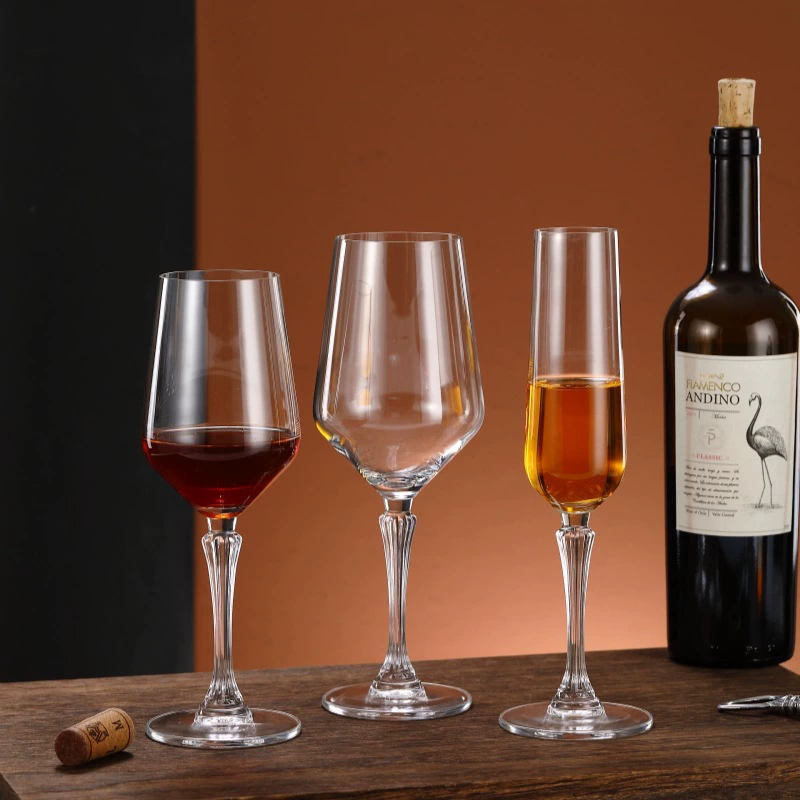
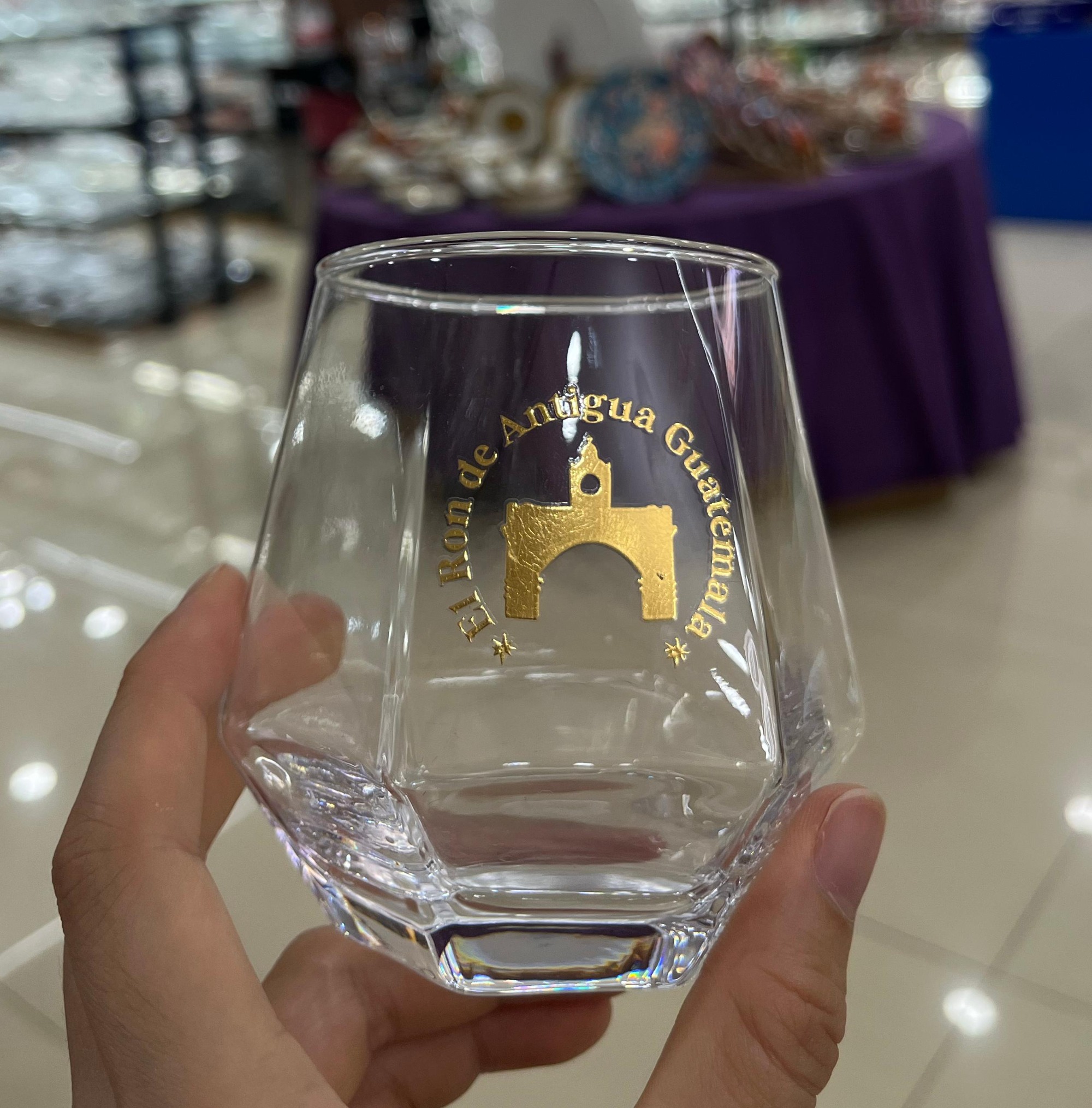
Tempered glass cups also have outstanding customization flexibility, which caters to the booming global customized gift market. Factories can realize personalized processing according to customer needs, including logo silk printing, thermal transfer patterns, surface frosting, color spraying and engraved textures. Whether it is brand promotion gifts for enterprises, holiday customized gifts for merchants, or exclusive personalized products for retail consumers, tempered
glass cups can perfectly meet diverse customization demands. Matched with customized gift boxes such as wooden boxes and color boxes, the product grade and added value are greatly improved, making it highly competitive in the high-end gift export market.
From the perspective of environmental protection and market trends, tempered glass is a 100% recyclable green material, pollution-free and harmless to the ecological environment. In the context of global advocacy of low-carbon environmental protection and sustainable development, disposable plastic tableware is gradually restricted, and reusable tempered glass tableware has become an irreversible market trend. It is widely exported to Europe, America, Southeast Asia, the Middle East and other regions, covering household retail, hotel supporting, wine matching, business gifts and multiple application scenarios.
To sum up, tempered glass cups integrate safety, durability, beauty, environmental protection and customizability. With incomparable comprehensive advantages over ordinary
glass tableware, they have stable market demand and broad development prospects. As global consumers pay more attention to healthy life and high-quality daily necessities, standardized and customized tempered glass products will continue to expand international market share and become a long-term hot-selling category in the glass tableware export industry.