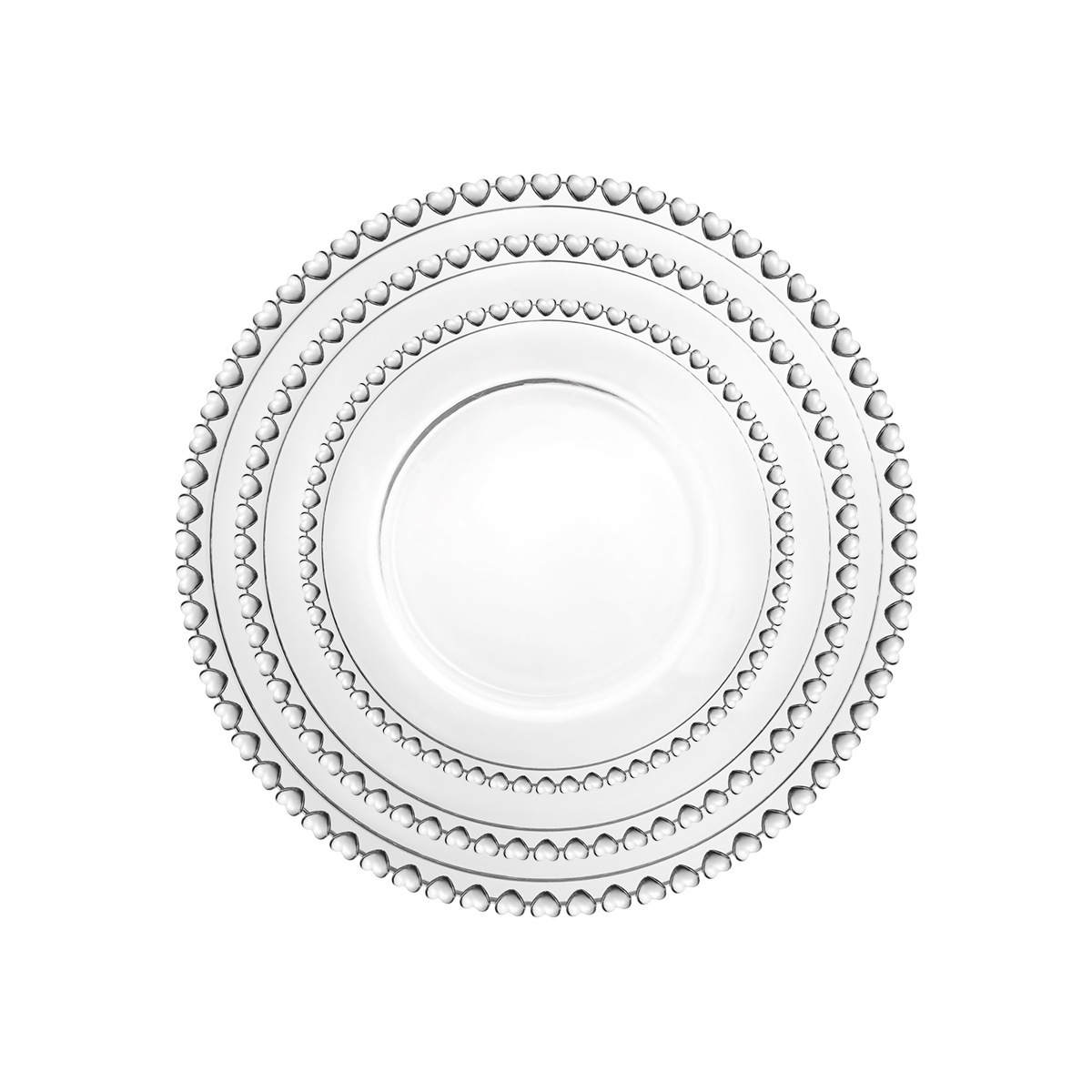
Tempered glass cups have become mainstream products in the global daily-use glass and gift market, widely favored by consumers for their high strength, safety, heat resistance and excellent transparency. Different from ordinary ordinary glass cups, tempered glass tableware undergoes professional physical tempering treatment during production, which fundamentally improves the structural stability and safety performance of the glass. The whole production process is precise and standardized, covering raw material selection, melting, forming, tempering treatment, post-processing and strict quality inspection, ensuring stable quality and compliant performance of finished products.
The production of tempered glass cups starts with high-quality raw material selection. Premium silica sand, soda ash, limestone and other auxiliary materials are selected as the core raw materials. These raw materials are proportioned strictly according to industrial standards to ensure the high clarity, pure texture and stable physical properties of the finished glass. After uniform mixing, the raw material mixture is sent to a high-temperature furnace and melted at a temperature of over 1500 degrees Celsius to form homogeneous molten glass. This melting process eliminates internal impurities and bubbles, laying a foundation for the high permeability and smooth surface of
tempered glass cups.
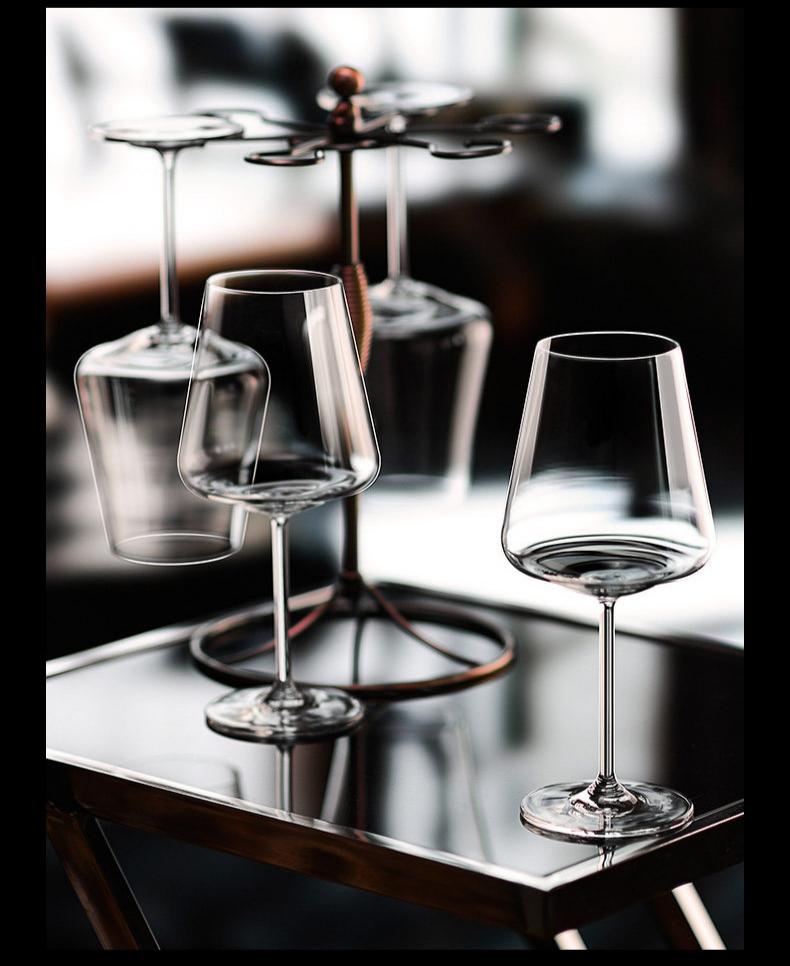
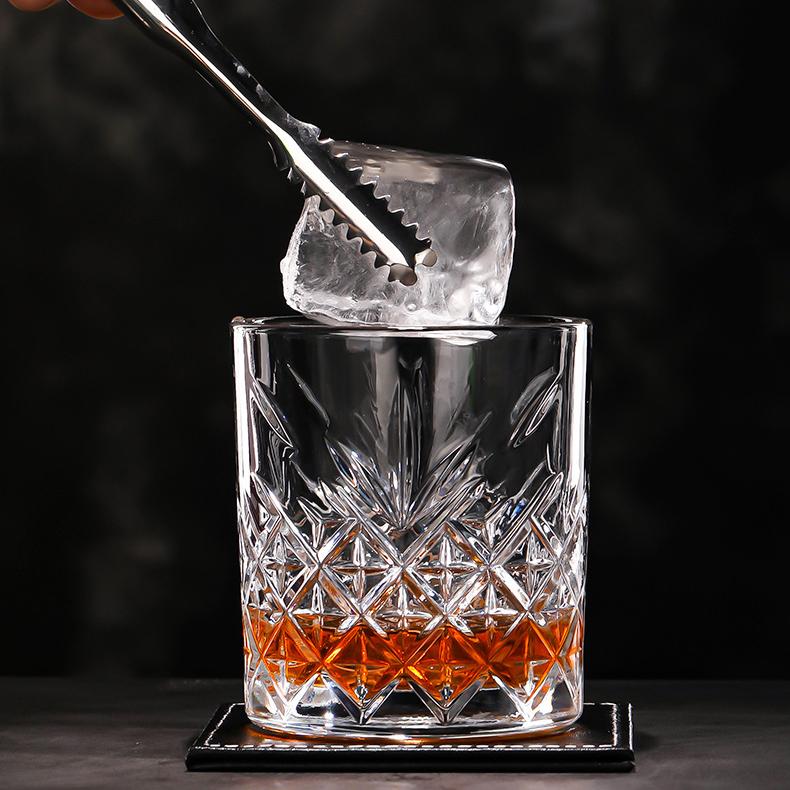
The second core step is cup body forming. The mature production modes of tempered glass cups include mechanical pressing and machine blowing, which are applicable to different product styles. For thick-walled carved
whiskey cups and daily water cups with regular shapes, mechanical pressing technology is mostly adopted. The molten glass is dropped into precision metal molds, and the cup body is formed by mechanical extrusion. For lightweight and thin-walled
glass cups, machine blowing technology is used to make the cup wall uniform and delicate. After preliminary forming, the semi-finished cups are sent to the annealing channel for slow cooling to release preliminary internal stress and prevent spontaneous cracking in the subsequent process.
Tempering treatment is the most critical process that distinguishes tempered glass cups from ordinary glass products. The cooled semi-finished glass cups are re-sent to a professional tempering furnace and heated evenly to 620 to 680 degrees Celsius, which is close to the softening point of glass. Uniform heating across the entire cup body is essential; uneven temperature will lead to unbalanced internal stress and cause deformation or breakage. After reaching the preset temperature, the
glass cups are quickly cooled by high-pressure cold air jets, a process called quenching. Rapid cooling makes the outer surface of the glass form strong compressive stress, while the inner layer forms balanced tensile stress. This special stress structure greatly enhances the hardness and impact resistance of the glass cup, making its strength 3 to 5 times that of ordinary glass.
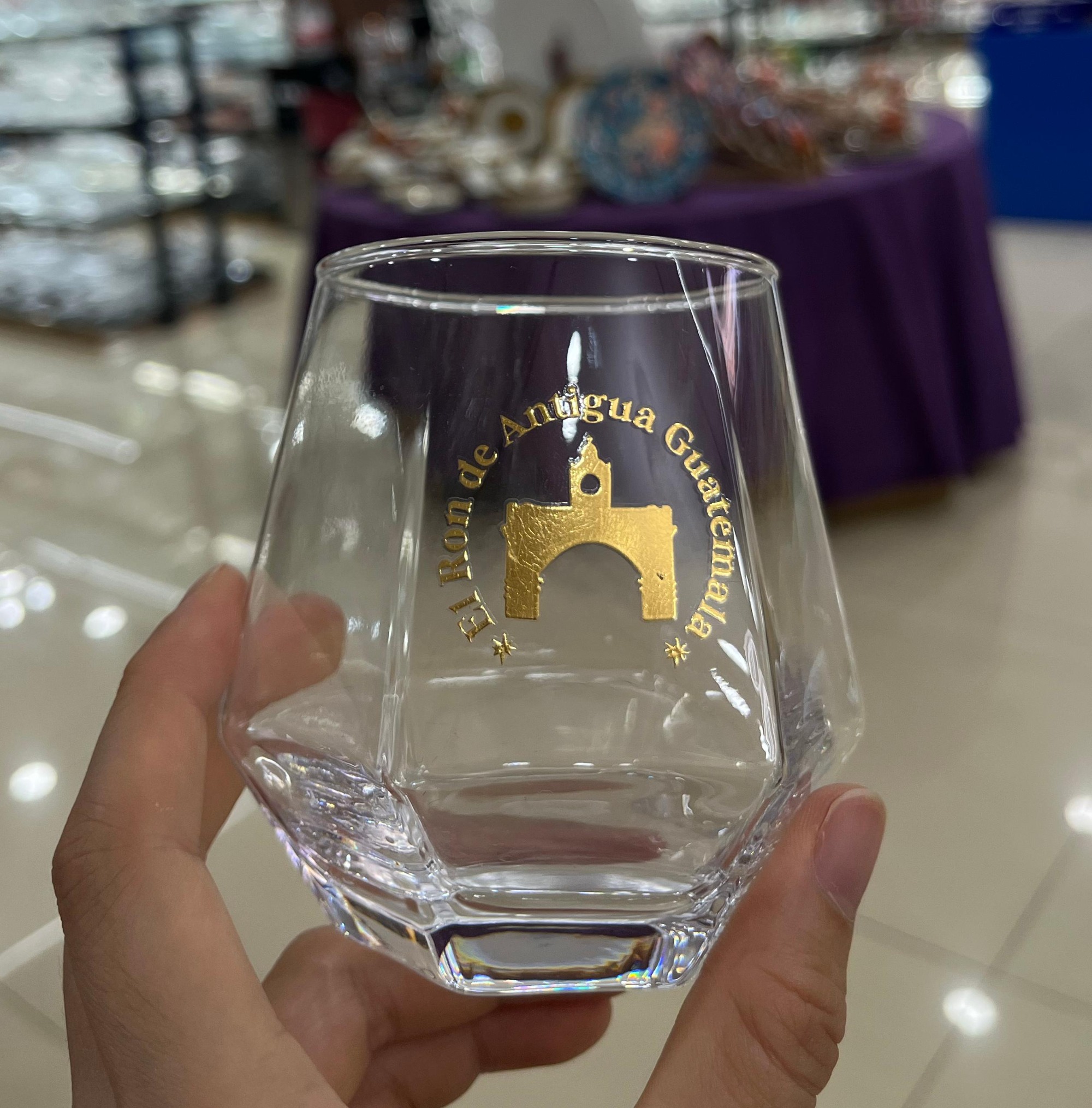
After tempering, the glass cups enter the fine processing stage, including edge polishing, surface cleaning and customized printing. The cup mouth and cup bottom are finely polished to remove sharp burrs, ensuring smooth and comfortable touch and safe use. For customized products, brand logos, patterns and decorative texts can be printed on the cup body through screen printing or thermal transfer technology. In addition, supporting gift box matching and surface frosting treatment can be carried out according to customer needs to meet the differentiated needs of daily use, business gifts and export sales.

Strict quality inspection runs through the whole production process to ensure product qualification rate and safety compliance. Workers conduct visual inspection one by one to screen out products with bubbles, scratches, deformation and uneven textures. Professional equipment is used to detect internal stress, impact resistance and high-temperature resistance of the cups. Qualified
tempered glass cups can withstand drastic temperature changes from cold to hot without cracking, and will break into obtuse-angle small particles instead of sharp fragments when damaged, which greatly reduces the risk of scratching and hurting people.
In conclusion, the production of tempered glass cups is a systematic and sophisticated manufacturing process integrating raw material control, precision forming and physical tempering technology. With reliable safety, durable performance and high appearance, tempered glass cups have become mainstream export products, suitable for global household use, hotel catering and customized gift markets. Standardized production and strict quality control ensure that each finished product meets international safety and quality standards, winning long-term recognition from overseas customers.