How to Use Glass Champagne Glasses Properly

Visitor Amo 13October 2026 0Comments 55Views
Champagne is synonymous with celebration, joy and grand occasions, and a fine glass champagne glass is far more than a simple container. It shapes the aroma, controls bubble release and elevates the whole tasting experience. Many people only treat it as an elegant decoration and ignore the correct ways to use it. Mastering proper handling, pouring, holding, cleaning and storage rules can protect the glassware and help you enjoy champagne at its best state.

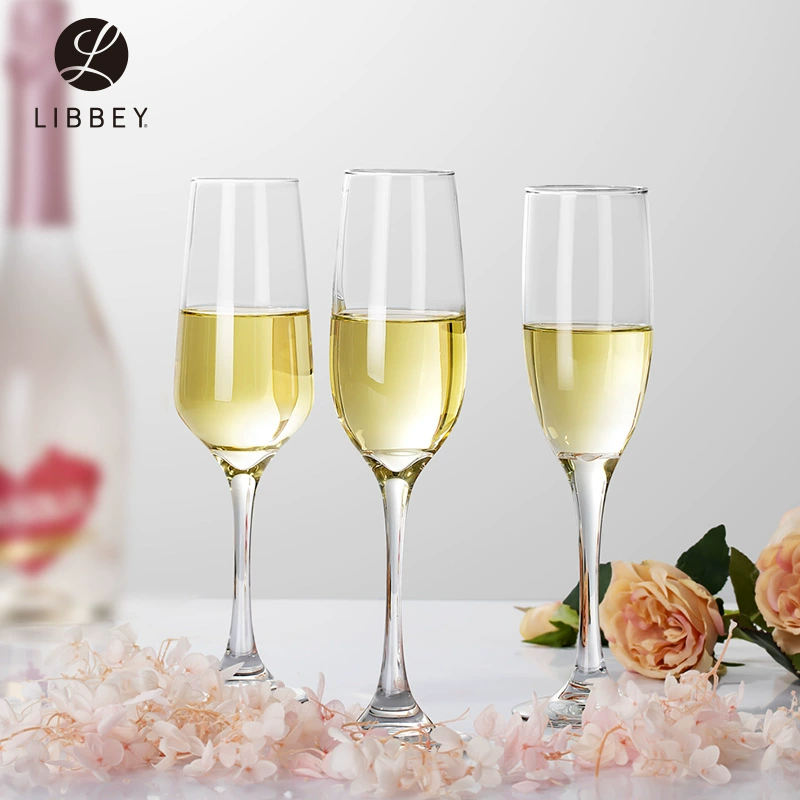
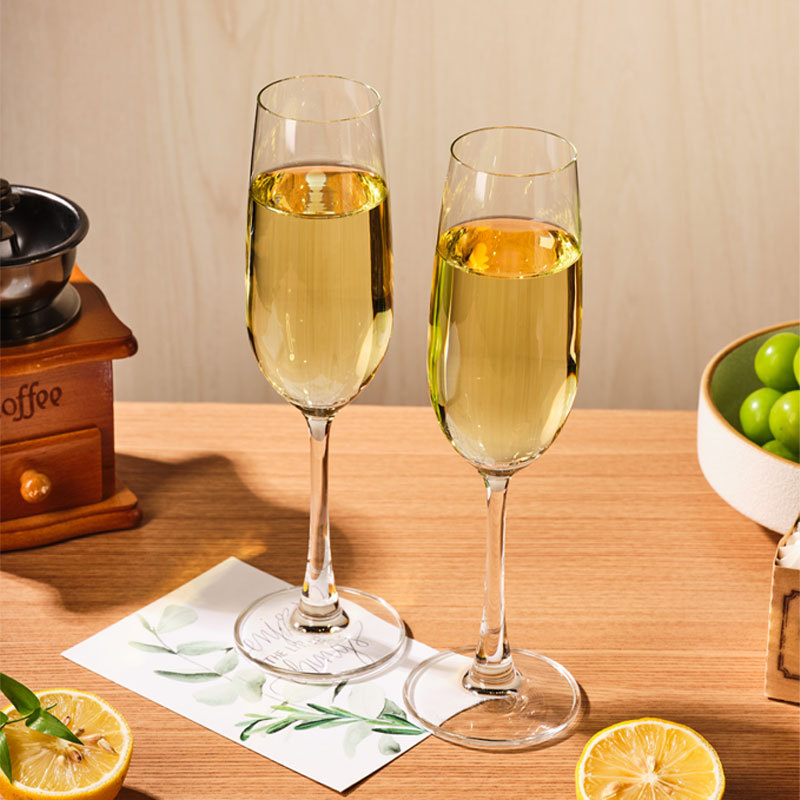
First of all, choosing the right style of champagne glass lays the foundation for tasting. Three classic types are widely seen: the flute glass, the coupe glass and the tulip glass. The tall, narrow flute is the most common option. Its slim body slows down bubble dissipation and concentrates delicate fragrance. The shallow coupe has a retro romantic look, yet bubbles escape quickly, so it is more suitable for display and toasting rather than slow sipping. The tulip glass features a slightly widened bowl and a narrowed rim, which balances aroma gathering and bubble retention, favored by wine lovers. Thick, durable glass champagne cups are suitable for banquets and commercial events, while hand-blown thin glass ones are for premium tasting, requiring gentler operation.

The correct pouring method directly affects the bubble performance. Never fill the glass to the top. The standard filling level is one-third to half of the bowl. Overfilling makes it hard to capture layered aromas and causes bubbles to fizz away rapidly. For better effect, tilt the glass at a 45-degree angle and let the wine flow slowly along the inner wall, just like pouring beer. This gentle movement reduces violent foaming and preserves tiny, persistent bubbles. Avoid pouring from too high above the cup, as heavy splashing will dissipate carbon dioxide quickly and weaken the fresh taste of champagne.
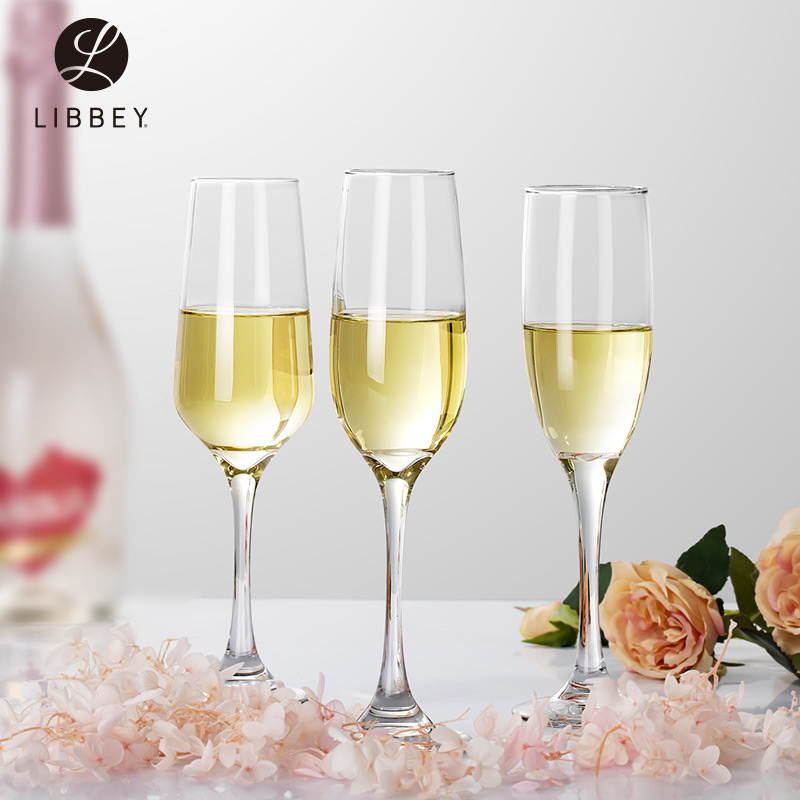
How you hold the glass is another key point that many people get wrong. Always grip the long stem instead of the bowl. The palm of the human hand carries constant body heat. If you wrap your fingers around the bowl, the heat transfers to the chilled champagne, raising its temperature fast. Warm champagne loses its crispness, bubbles disappear in a short time, and delicate fruity and floral notes fade away. Hold the stem steadily between your thumb and forefinger, leaving the bowl untouched. When toasting, gently clink the lower part of the bowl instead of hitting the rim hard. Thin glass rims are fragile; rough clinking easily creates chips, cracks or even breaks the cup. A light, soft touch is polite and protective.

Temperature control matters closely to the user experience of champagne glasses. It is better to chill the wine rather than freezing the glass directly. Putting glass cups into the freezer may lead to thermal shock. When cold champagne touches an ice-cold glass, sudden temperature change can crack thin glass. If you want a cool cup, rinse it with cold water for a short while before use and shake off residual water drops. Water dilution will ruin the balanced flavor of champagne.

After the party ends, timely and careful cleaning and storage extend the service life of glass champagne glasses. Hand washing is strongly recommended. Dishwasher high temperature and strong detergent may leave water stains, scratch the transparent surface or erode delicate hand-blown glass. Use soft warm water and mild detergent, clean the inner and outer walls with a soft sponge, and rinse thoroughly. Wipe immediately with a lint-free microfiber cloth to avoid water marks. Do not stack champagne cups together. Store them upright in a dry cabinet, away from hard tableware that may scratch or knock against them.

A glass champagne cup is a quiet partner for every toast. It is not only beautiful tableware, but also a tool designed for flavor appreciation. Following these simple rules keeps the glass intact, locks fine bubbles, and lets every sip of champagne deliver its intended fresh aroma. Whether for family celebrations, wedding banquets or business receptions, proper use of champagne glasses turns every toast into a refined and memorable moment.
POST YOUR COMMONT
Name
E-mail
Content
Verification code
ver_code
Latest Posts
1
Beyond the Bottle: A Guide to American Drinking Vessel Preferences
When it comes to enjoying a drink in the United States, what you drink from is almost as important as what you drink. American culture has a fascinating, sometimes unspoken, set of rules and preferences for glassware. It’s a blend of tradition, practicality, and a touch of marketing genius.
Beyond the Drink: How Your Glassware Shapes the Cocktail Experience
We spend so much time discussing spirits, mixers, and techniques, but there's a silent, elegant hero in the world of mixology that often doesn't get the credit it deserves: the glassware. The vessel you choose for your cocktail is far from just a container; it's a crucial piece of engineering that directly influences aroma, temperature, mouthfeel, and even your perception of taste.
The Wine Lover's Guide: Bordeaux vs. Burgundy Glasses
Walk into any well-stocked wine bar or a serious collector's home, and you'll notice more than one type of wine glass. While a universal glass is a great all-rounder, the magic truly happens when you match your glass to your wine. Two of the most iconic shapes you'll encounter are the Bordeaux glass and the Burgundy glass. They may look similar at first glance, but their subtle differences are designed to elevate two very distinct wine experiences.
Beyond the Drink: How Custom Glassware Elevates a Theme Restaurant's Story
Walk into any restaurant, and you'll be handed a menu. But before you even read the first item, you've already been handed another, more subtle menu—one composed of your surroundings. The lighting, the music, the decor, and yes, even the glass your water arrives in, all tell a story. For theme restaurants, this narrative is everything. And the choice between custom glassware and standard, off-the-shelf glasses can be the difference between a good experience and an unforgettable one
Why Libbey Glassware is the Go-To Choice for Restaurants Worldwid
When you step into a restaurant, the first thing that often catches your eye—aside from the menu—is the glassware. From sleek tumblers to elegant wine glasses, the vessels holding your drinks play a subtle yet significant role in shaping your dining experience. Among the many brands available, one name consistently stands out in the hospitality industry: Libbey. But why are so many restaurants, from cozy neighborhood bistros to high-end dining establishments, choosing Libbey glassware? Let’s div
The Timeless Craft: How Libbey Glassware Blends Heritage with Modern Innovation
In a world of disposable goods, few brands manage to stand the test of time while remaining relevant and innovative. Libbey Glassware is one such exceptional name—a company whose story weaves together two centuries of tradition with cutting-edge advancements. Whether you've enjoyed a cocktail at a hotel bar or sipped from a durable restaurant glass, chances are you've experienced the quality of this iconic American brand. Let’s explore how Libbey has balanced heritage.
Translation of Surface Processing Technologies for Glass Cups
What brand is Luminarc, and what are its product advantages
Long-standing History: Founded in Arques, France in 1948 by Jacques Durand, it has a history of over 70 years. Today, it is one of the world's leading tableware brands, with products sold in nearly 160 countries and 400 million glass items sold annually.
The Advantages of High Temperature Decals Logo on Glass Cups
How do you know the multiple benefits that high - temperature decals logos bring to glass cups.
The Advantages of Glass Baking Dishes
Baking dishes come in various materials, each with its own set of characteristics.
Mastering the Art of Using Borosilicate Glass Cups
Derived from a special type of glass that contains boron trioxide, these cups offer unique advantages over traditional glass and other materials.
Exploring Logo Craftsmanship on Glass Cups: A Fusion of Art and Functionality
The transparent, smooth, and delicate nature of glass provides a unique surface for creating eye-catching logos.
Classification of whiskey glasses
whiskey glass wholesale
Why Choose Glass Cup Rather Than Plastic Cups
Which one should you choose between plastic cup and glass cup?
The Advantages of Crystal Glassware
Unlike ordinary glass, crystal glass is crafted with specific materials and manufacturing processes, endowing it with a range of unique advantages that make it a preferred choice for various occasions, from daily use to formal dining and special celebrations.
The practicality of high-borosilicate glass in home life
The practicality of high borosilicate glass in home life