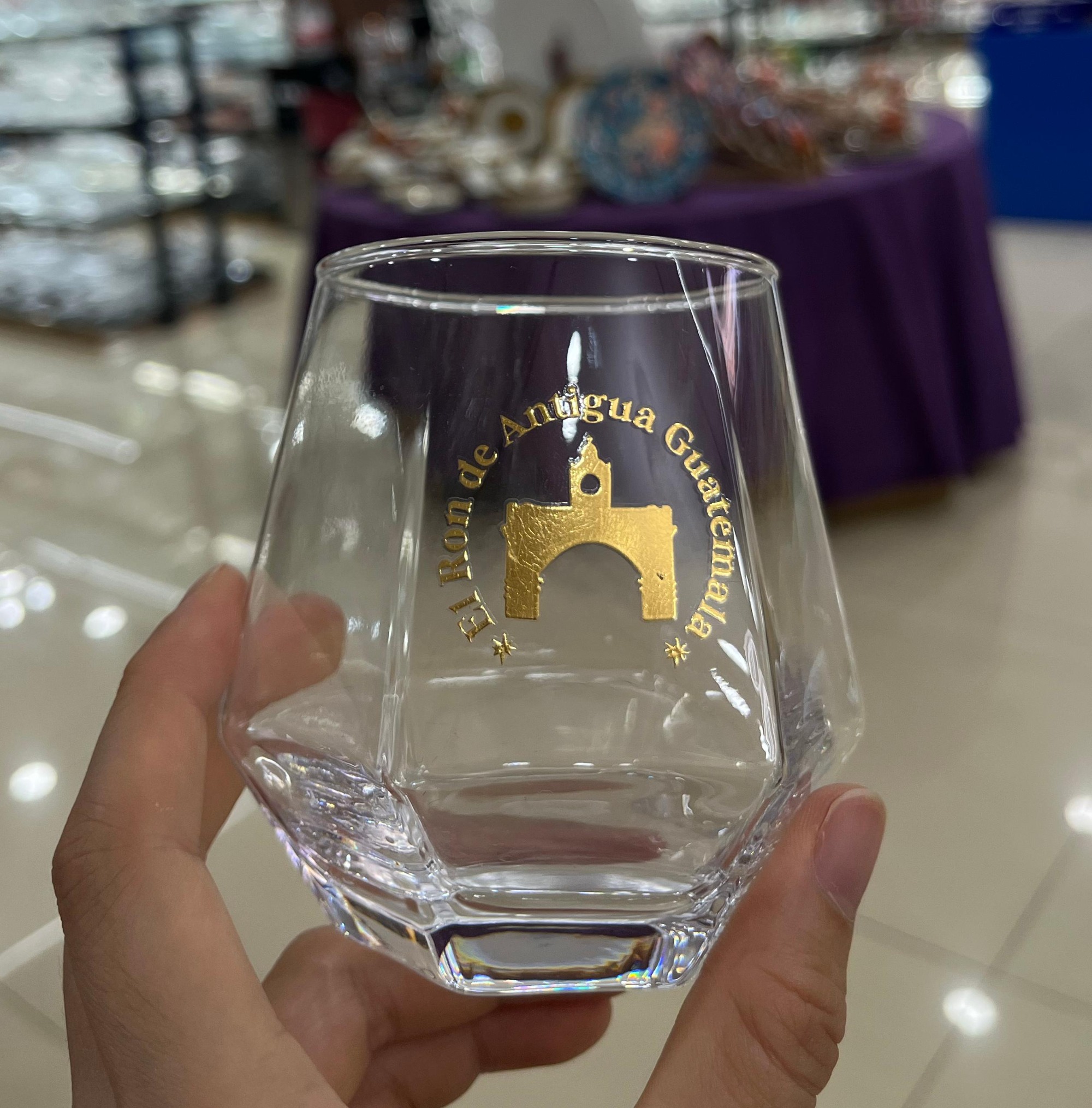
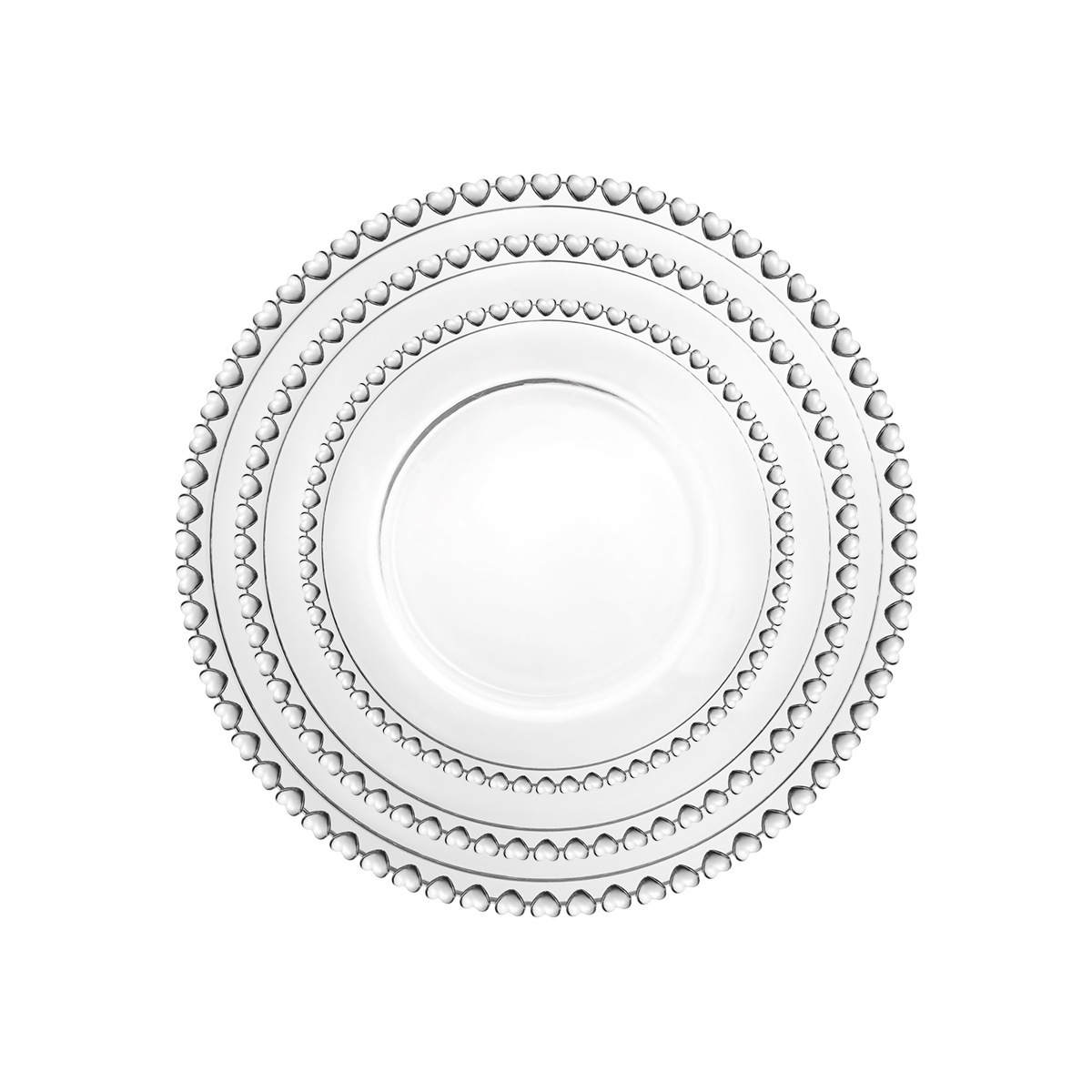
Glassware has become an essential daily and decorative product in global household and gift markets. In glass production, two mainstream manufacturing methods dominate the industry: hand-blown custom mold making and automated machine production. The two crafts differ greatly in production technology, product texture, quality performance and applicable scenarios, and their respective characteristics meet the diverse needs of high-end customization and mass market sales.
Hand-blown custom mold
glassware relies on the exquisite craftsmanship of skilled artisans. Workers take molten high borosilicate glass with blowpipes, and complete stretching, blowing, shaping and trimming through manual operation and customized small molds. The whole production process depends on manual control of temperature, radian and wall thickness, without rigid mechanical fixed parameters. Since each product is made manually one by one, every hand-blown glass has unique subtle traces. Slight differences in wall thickness, natural light refraction and tiny handmade textures are not defects, but unique artistic marks that machine-made products cannot replicate. This craft supports personalized custom shapes, special radian designs and exclusive logo customization, making it the first choice for high-end gifts, boutique home decoration and limited-edition products.
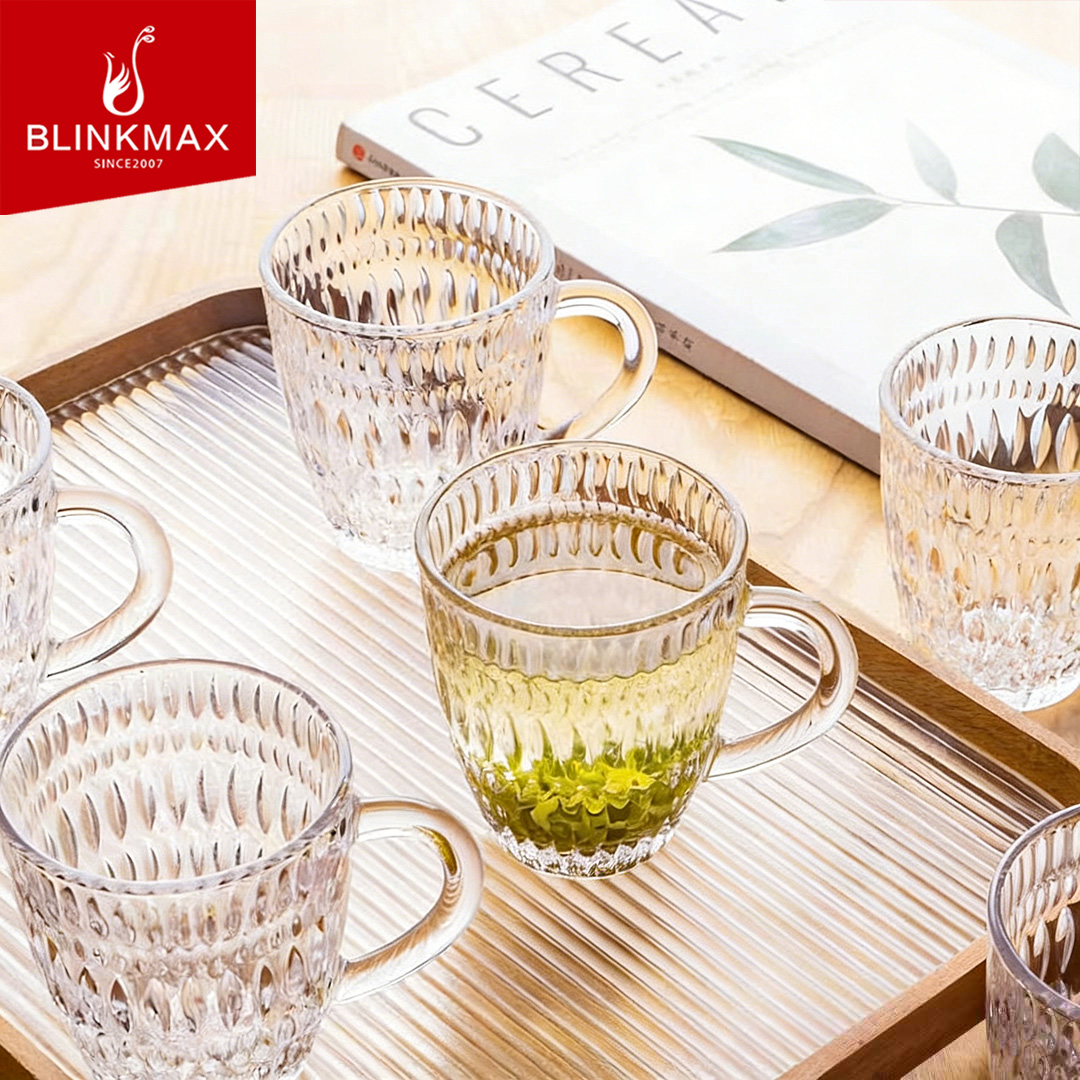
In contrast, machine-made
glassware adopts fully automated assembly line production. Through professional glass-blowing and pressing machines, molten glass is pressed into standardized fixed molds at high pressure and high speed. The production process is highly intelligent with fixed parameters, which ensures that all finished products have completely consistent size, shape and wall thickness. Machine production features ultra-high efficiency, realizing large-scale batch output and greatly reducing production costs. With stable quality and affordable prices, machine-made glassware is widely suitable for mass wholesale, supermarket retail, cross-border e-commerce daily orders and other bulk demand scenarios.
There are also obvious gaps in material performance and texture between the two processes. Hand-blown custom mold glass usually adopts high-purity high borosilicate material, with uniform glass density, strong toughness and excellent heat resistance. It can withstand extreme temperature changes from -20℃ to 130℃, not easy to crack in hot and cold alternating environments. The
glass body is highly transparent with soft luster and delicate hand feel, showing high-grade texture. Machine-made glass is mostly made of conventional standardized materials, with qualified basic performance but relatively single texture. Its heat resistance and toughness are slightly weaker than hand-blown products, and the surface gloss is more rigid and uniform without hierarchical three-dimensional sense.
In terms of production cycle and applicability, hand-blown custom mold craft has flexible design and low mold opening threshold, which is convenient for small-batch customization, new product trial production and personalized pattern development, but with relatively long production cycle and higher unit price. Machine-made craft is limited by fixed molds, difficult to realize arbitrary personalized changes, but it has fast delivery speed and stable batch quality, fully adapting to the fast-paced procurement demand of international bulk orders.
In conclusion, hand-blown custom mold glass represents craftsmanship, uniqueness and high-end quality, focusing on personalized value and artistic texture; while machine-made glassware focuses on standardization, cost performance and mass stability. Choosing the right production process according to market positioning can perfectly meet the differentiated needs of high-end customization and civilian mass sales in the global
glassware market.