


The Champagne wine region is an area of North-East France, set within the historical province of Champagne. The 84,000-acre area is best known for being the home of a sparkling white wine with the same name, Champagne.
While there are many different types of sparkling wine today, legally, the effervescent drink can only be classified as Champagne if it comes from the Champagne wine region in France. This is because Champagne was given an AOC (Appellation d’Origine Contrôlée) in 1936. An AOC is a label that links a product and its production process with a specific geographical location.
The climate of the region, as well as the acidic soil mix of chalk and limestone, provides the perfect conditions for making Champagne.
The history of Champagne starts over 1500 years ago. It started when Romans planted vineyards and studied wine production sometime between the 1st and 5th centuries when the region was known as northern Gaul.
In the year 987, Hugh Capet was crowned King of France in Reims. The local Champagne wine was served and displayed at the coronation banquet — a tradition that French kings continued to take part in until the monarchy ended in the 19th century. From then, Champagne became synonymous with wealth and celebration.
At that time, the Champagne wine region suffered freezing cold winters. For wine-makers, this spelt disaster as it halted the drink’s fermentation process. When temperatures warmed up again, a second fermentation process would occur, causing carbon dioxide bubbles to form in the wine and creating the classic fizzy texture. The gas build-up from the bubbles would add pressure to the bottles, sometimes causing them to explode. For a while, Champagne gained the nickname of "le vin du diable", or “the devil’s wine”.
Opinions were split on the fizzy wine. Winemakers, including Dom Perignon, the Father of Champagne, worked hard to find a way to get rid of the bubbles. However, French royalty in the 17th century enjoyed the fizz and it began to grow significantly in popularity. The winemaker’s intentions then focused on a way to keep the bubbles and perfect the methods for production and storage instead.
As of 1927, the Champagne AOC can be split into five legally defined subregions: Montagne de Reims, the Marne Valley, Côtes de Blancs, Côtes de Sézanne and Côtes des Bar.
Located in the most northern part of the Champagne wine region, Montagne de Reims is home to Reims, the Heart of Champagne, and Epernay, another hub for tourism and wine-making. The area has more grand cru than the other four subregions and boasts an impressive 10,404 acres of vineyards. The most common grape varieties in this area include pinot noir, chardonnay and pinot meunier.
The southwards-facing slopes and the chalky limestone soil make excellent growing conditions. Together, these allow the vines to soak up a full day of sunlight, yet allow a cool, consistent humidity for the grapes.
You might recognise Montagne de Reims by its famous Champagne houses: Veuve Clicquot, Mumm, Taittinger, Lanson and Pommery can all be found within this area.
The Marne Valley consists of more than 4,500 acres of vineyards, almost two-thirds of which are pinot meunier. The historic village of Aÿ sits within the Marne Valley. It’s the only grand cru village in the region and is known for its delicious pinot noir grapes.
The terroir of the Marne valley stretches from Bisseuil to Charly-sur-Marne. Here, the soil contains high volumes of marl, which comes from lime-rich mud. Sandy, clay soil is also common in this subregion.
The Marne Valley is said to be where Dom Perignon invented and perfected the Champagne-making process. The famous Champagne houses of Bollinger and Ayala can be found within this region, too.
Côte des Blancs takes its name from chardonnay grapes. Blanc means white in French, like the chardonnay grapes used to make white wines. This comes as no surprise, considering 97% of the vineyards in this region grow this grape variety.
There are six grand cru villages in Côte des Blancs: Avize, Chouilly, Cramant, Le Mesnil-sur-Oger, Oger and Oiry. Here, there are over 7,900 acres of cultivable vineyards. The area is renowned for its deeply hydrating chalky soil and is considered to have perfect growing conditions for the vines.
Famous Champagne houses in this subregion include Pol Roger and Mercier, Mercier being the number one selling Champagne brand in France.
Côte de Sézanne sits just below the Côte de Blancs area and is hugged by the Grand Morin Valley. The 3,500 acres of vineyards in Côte de Sézanne mostly grow chardonnay grapes, pinot noir and pinot meunier varieties. The soils in this subregion are predominantly clay, or clay mixed with chalk, which causes the grapes to ripen earlier than in other regions.
Côtes de Sézanne does not contain any Champagne houses or grand cru villages. It is home to some other cru villages, like Broyes, Allemant, Barbonne-Fayel, Bethon, Fontaine-Denis-Nuisy and Villenauxe-La-Grande. The grapes that grow here are typically used for non-vintage varieties of wine.
Côtes des Bar is located in the southern part of the Champagne wine region. This area is famous for its cadoles, or wine huts. Cadoles are igloo-shaped lodges built with flat stones. The purpose of these huts was to provide thermal neutrality all year round — a cool place in summer and warmth in the winter. While one might expect that cadoles were built as a place to store the wine, you might be surprised to learn that these huts were primarily built for the wine growers themselves, to provide a place of shelter and rest.
Pinot noir grape varieties dominate the vines in Côtes des Bar. Notable towns include Aube, Les Riceys, Gyé-sur-Seine and Courteron, where wine-making has been a tradition for many hundreds of years. The area makes up 23% of the Champagne region, with 20,027 acres of vineyards.
The history of the Champagne wine region is as rich and captivating as the drink itself. The memories of Champagne’s origins can be seen first-hand in the numerous centuries-old cellars, the ruins of the cadoles, and the abbeys of days gone by.
HEXIE Glass is your perfect partner to clear out all your champagne glass confusion and raise a toast to a memorable wine-drinking experience!
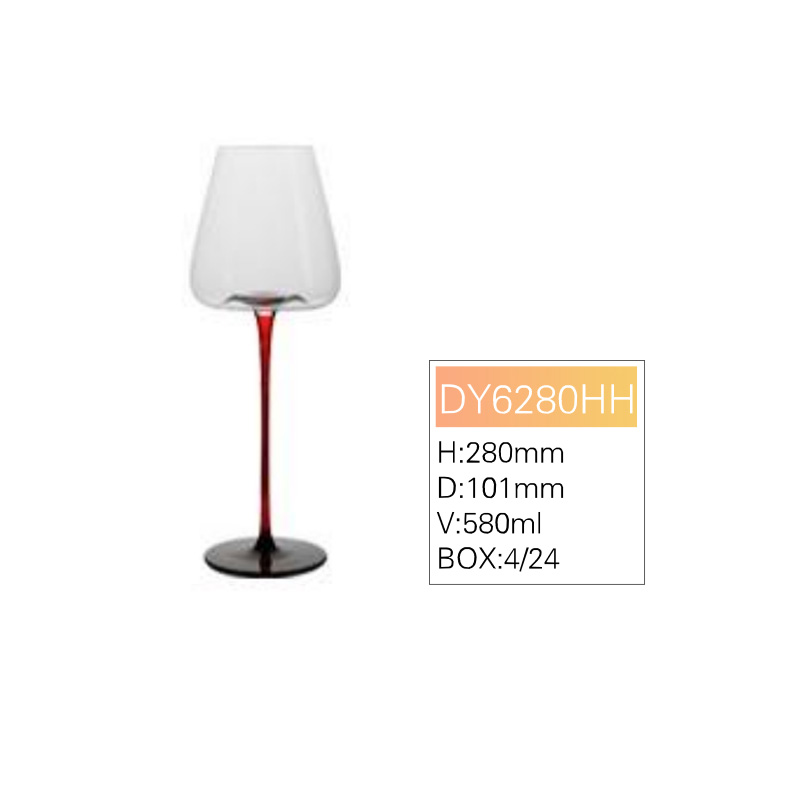 Beyond the Grape: The Delicate Art of Chinese Stemware Craftsmanship
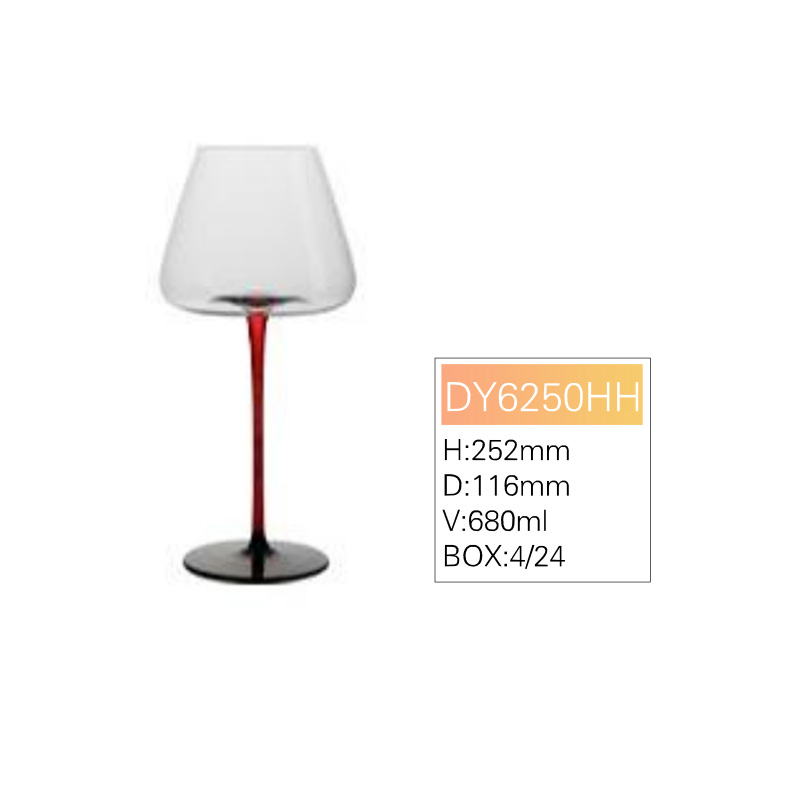 The Art of Color in China‘s Glass Cup Industry
 The Art of Clarity: A Deep Dive into the Craftsmanship of Glassware
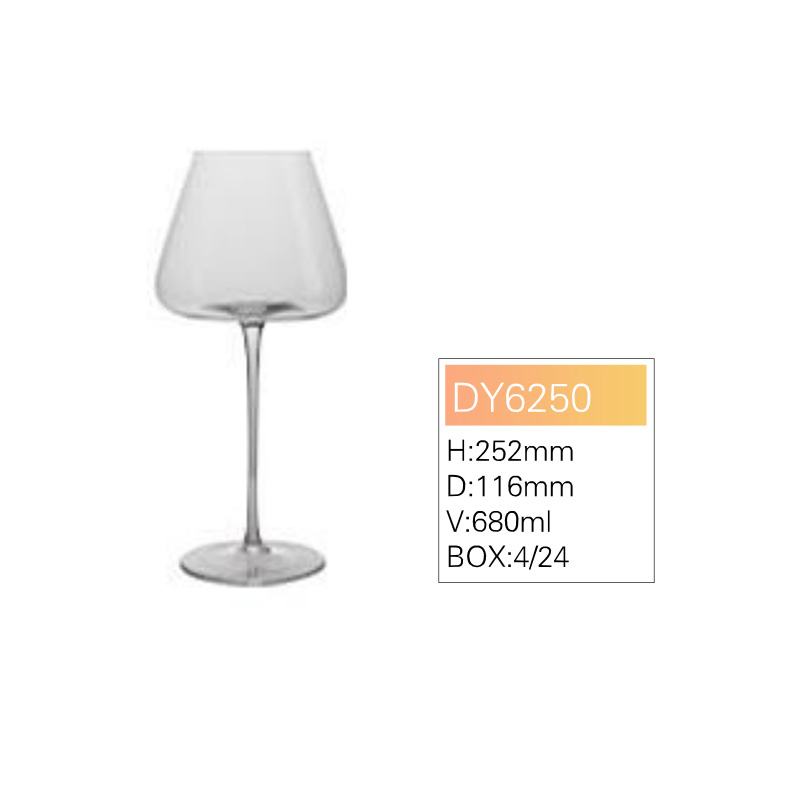 Raise Your Glass: A Guide to Glassware Materials and Types


Guangzhou HeXie Glass Co., Ltd.
Address: No. 22, Building 53, Haotai Hotel Supplies Expo City, Yingbin Road, Luopu Street, Panyu District, Guangzhou
Tel: +86-18011970645
Email: info@hexieglass.com
https://www.hexieglass.com


