


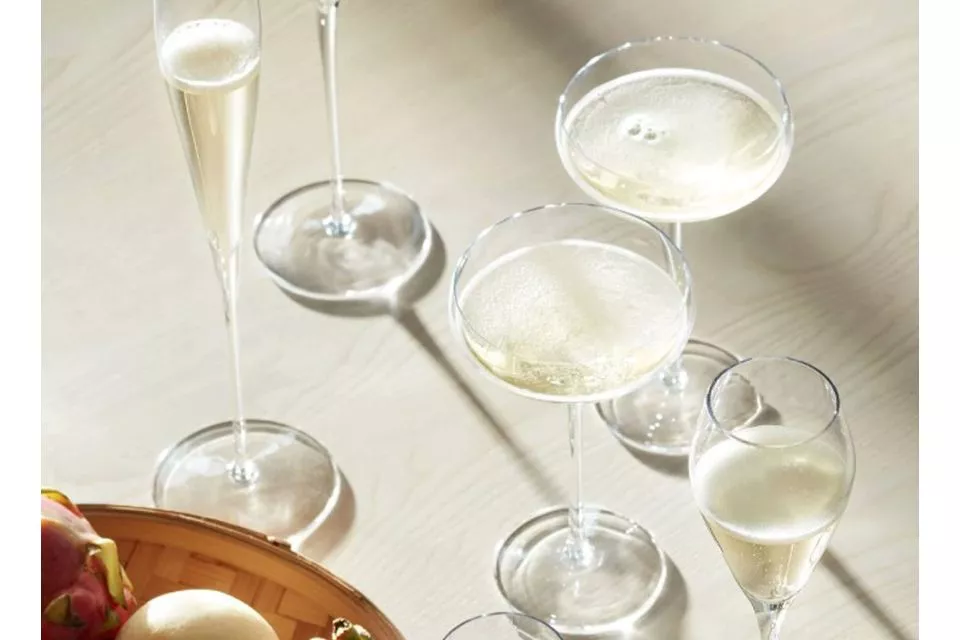
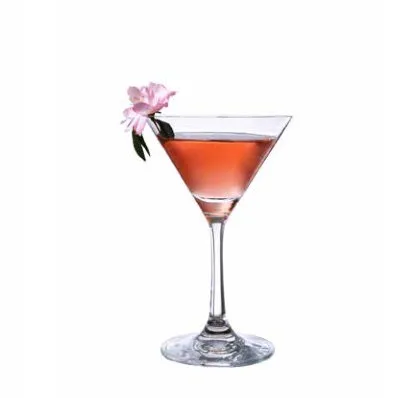
Champagne coupes, also known as Champagne saucers, were the original Champagne glasses specifically designed for serving our favourite effervescent wine. They were popularised in England in the early 1800s and are one of the oldest styles of Champagne glassware.
The coupe is a Champagne glass with a broad, shallow bowl and a short, elegant stem. It’s this iconic round shape that is long rumoured to have been modelled on the breast of young 18th century French Queen, Marie-Antoinette.
Synonymous with style and opulence, the coupe’s shape lets you watch the bubbles joyfully dance around the glass. Although its design does mean that the fizz dissipates more easily, the popular aesthetic adds a touch of theatrics to your drinking experience.
When drinking from a coupe, it’s best to hold your glass either at the rim, or by pinching the top of the stem. This keeps the Champagne optimally cool, enhancing the overall taste and enjoyment of your sparkling wine.
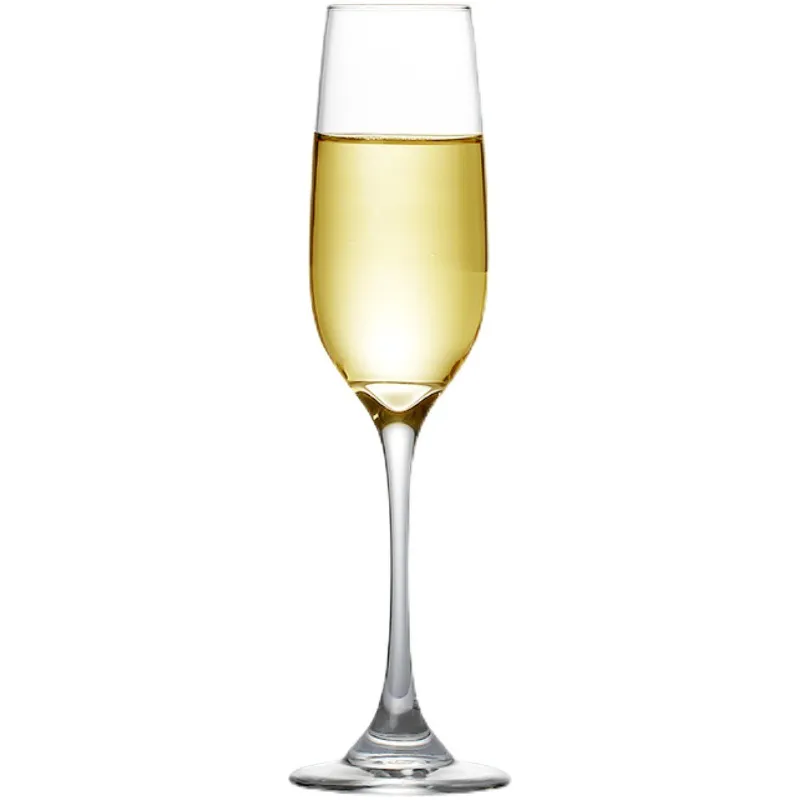
Over the years, as sparkling wine became more popular and accessible outside of the elite upper classes, other styles of Champagne glasses soon evolved. By the 1920s, the traditional coupes had gone out of favour and were replaced by the slimmer Champagne flutes.
The flute’s signature tall and narrow shape is advantageous for better preserving the flavour and carbonation of the wine. The central indent at the bottom of the glass also acts as a congregating point for the bubbles and helps them float smoothly to the top.
Although all share a similar slender design, there are different variations of the flute. From traditional designs to more unusual Champagne flutes, here are some of the most common styles:
When drinking from a stemmed Champagne flute, it’s best to hold the glass by pinching the top of the stem between your thumb and forefinger. This stops you from warming the Champagne with your hands and keeps it nice and cold. With a stemless flute, you’ll have to hold the glass by the base, which provides for a more comfortable fit but also heats the wine.
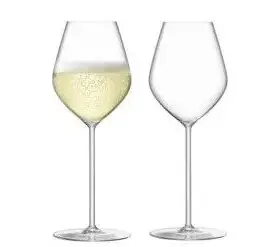
Following the success of the Champagne flute, tulip Champagne glasses became popular around the world in the 1930s. Tulip glasses, taking their name from the flower, have a long, narrow stem, and an elongated oval shape. They are similar in design to Champagne flutes but have a broader, rounder middle and a narrow top.
It’s this signature teardrop shape that traps the aromas inside the bowl and funnels them towards the drinker’s nose. The wider bowl also provides more room for the bubbles to aerate and dance around, but the narrow rim means they don’t easily escape.
Similarly to the flute and coupe, to keep the Champagne at the optimal temperature, it’s best to hold your tulip glass at the top of the stem or by the base to avoid warming the wine with your hands.
It’s possible to enjoy drinking Champagne from a regular wine glass. A wine glass isn’t too dissimilar from a tulip glass, and the wide round bowl releases lovely Champagne aromas in a similar way. However, Champagne glasses have effervescent points on the bottom of the bowl which help gently release the bubbles to the surface and create the festive feel that comes with drinking fizz. If you opt for a wine glass, it’s best to serve Champagne in small quantities to retain the bubbly texture.
Whether you like the aeration and opulence of the original coupe, the traditional elegance and fizziness of the flute, or the best of both worlds with the modern tulip, it’s important to pick the right glass to make the most of your Champagne drinking experience.
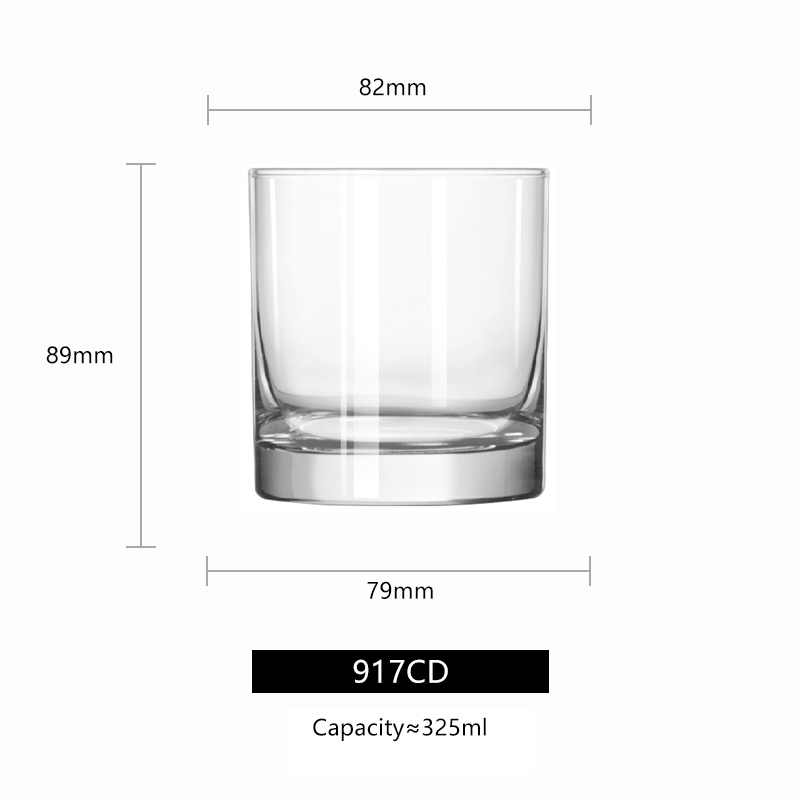 Behind the Sparkle: The Craftsmanship of Libbey Glassware
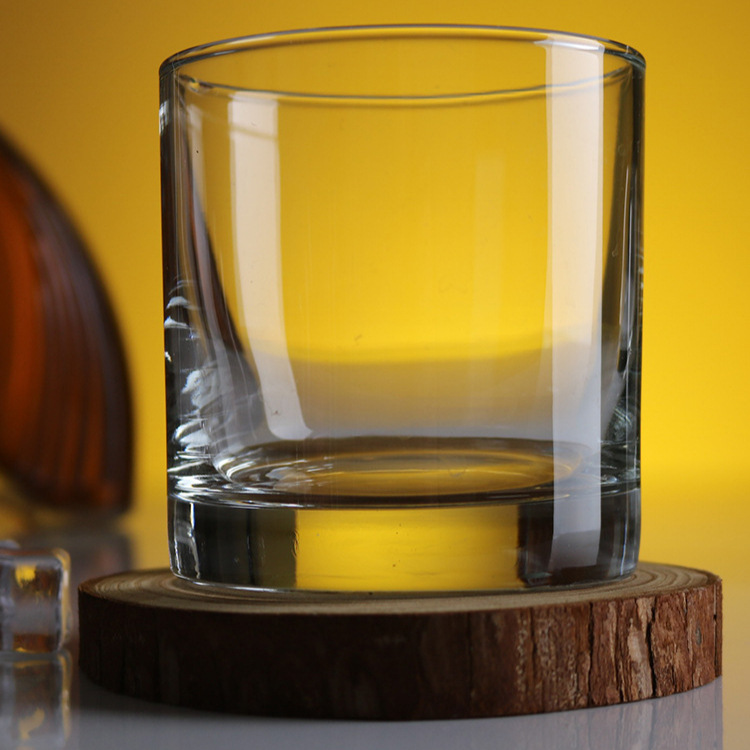 Tempered Glass
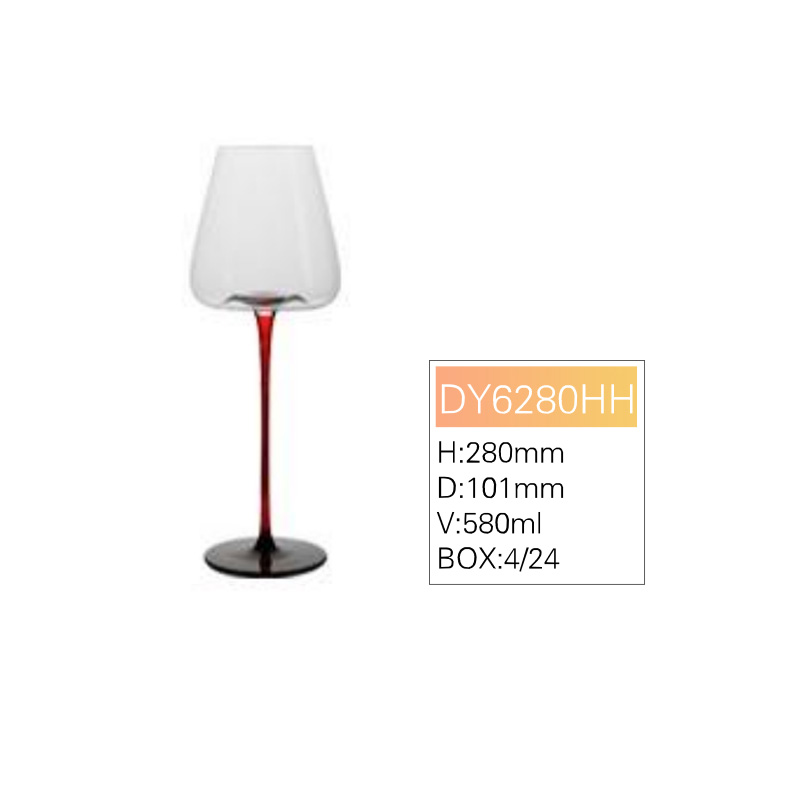 Beyond the Grape: The Delicate Art of Chinese Stemware Craftsmanship
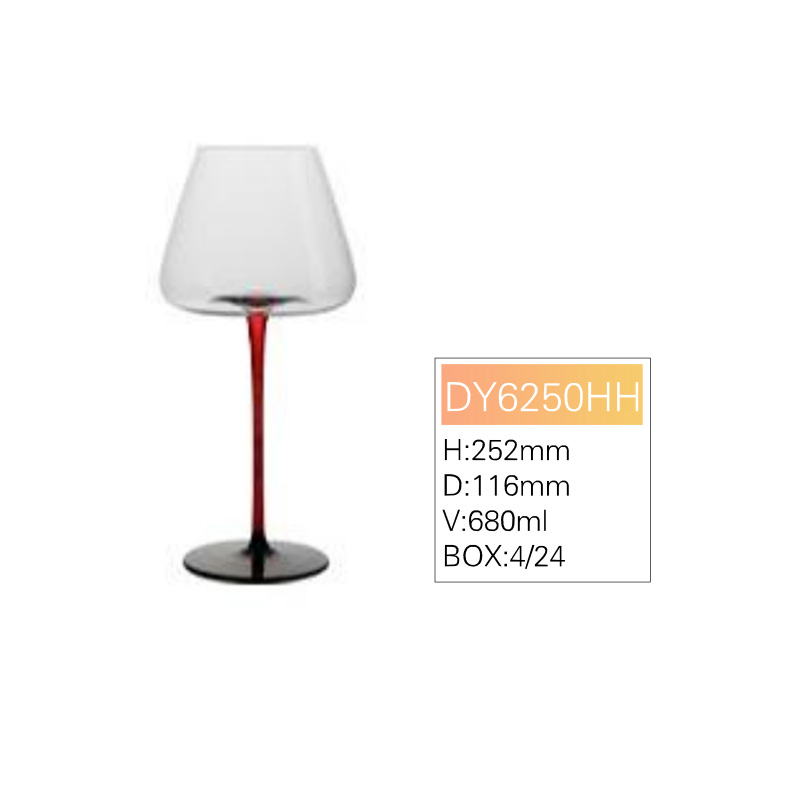 The Art of Color in China‘s Glass Cup Industry


Guangzhou HeXie Glass Co., Ltd.
Address: No. 22, Building 53, Haotai Hotel Supplies Expo City, Yingbin Road, Luopu Street, Panyu District, Guangzhou
Tel: +86-18011970645
Email: info@hexieglass.com
https://www.hexieglass.com


