


To go drinkware has come of age. Now more than ever, beverage and insulated water bottles are your customers’ constant companions. There are several reasons for this.
To take advantage of this trend, more and more businesses, airports, and tourist attractions have added automated water stations designed to refill consumer-provided bottles.
So, why is it important for you as a retailer to know the differences in drinkware? Because manufacturers keep upping their game while your customers are getting choosier on what they buy.
There’s no longer a one-size-fits-all solution when it comes to beverage bottles.
The overall category of drinkware is quite extensive. A look at Wikipedia’s category listing in fact, is mind-boggling in its diversity—and specificity.
But for our purposes, we’re going to generalize what Petra offers by looking at the two categories we have established—Tumblers and Beverage Bottles. As you’ll see, even that division isn’t hard and fast, and seems more connected to the way a manufacturer names it as opposed to some special function or trait.
Technically, tumblers are drinkware with flat bottoms. Certainly, that’s true of the insulated tumblers in our category. But it’s also true of virtually all to-go insulated beverage containers. So, our category reflects the marketing name as provided by the manufacturers.
Another distinction, perhaps coincidental, is that our tumblers don’t have carrying straps. However, the same can be said for some beverage bottles as well. So, it’s not a particularly helpful distinction.
Diving into the product copy used by Tumblers, however, gives us a great opportunity to talk about tech that’s hidden within drinkware.
One of the most common kinds of insulation, found across both categories, is double walled stainless steel with vacuum insulation.
The Tumblers category also introduces us to a term most people think is a good thing but actually may not be what it appears—BPA-free.
Simple insulation adds a barrier between the inside and the outside that helps the interior maintain a desired temperature. Vacuum insulation is far more sophisticated. By placing an airless vacuum between two walls of stainless steel, the natural convection process of temperature exchange is drastically slowed. Simply put, the contents inside maintain their temperature far longer, regardless of outside conditions.
Thermos “was the first company to commercialize and develop consumer products using vacuum insulation.” The impact of this kind of technology and the Thermos name has been profound. So profound, that in 1963, the lowercase version of the name legally became a generic term in the U.S. This explains why you may see the term “thermos” used by non-Thermos branded products.
Over the years, there’s been a lot in the news about the dangers of BPA, an additive that strengthens plastics. The result of the BPA uproar has been a switch to BPA-free products by manufacturers, and health experts asking consumers to avoid heating polycarbonate plastics in the microwave or dishwasher. And when it comes to hot foods and liquids, there’s also been an emphasis on replacing plastics with glass, porcelain, or stainless steel containers.
So, BPA-free is a selling point that consumers look for. Even if there’s no plastic you’ll see the term! However, BPA-free can mean other BP products are used.
Let’s shift gears now to our other category, Beverage Bottles. There we’ll explain a relatively new term on the market, but one that is a great selling point—Tritan.
Beverage Bottles, like Tumblers, sport a wide variety of lid designs. Some use push buttons, others use spouts, sliding levers, twist-off or lift-off seals, and other clever ideas. Each kind is designed to appeal to a different consumer group. To get an idea of the wide variety that just one manufacturer offers, check out the Thermos listing. They offer 18 kinds of hydration lids at last count!
Shapes vary tremendously as well. Some feature an ergonomic shape or surface texture for long-term, comfortable gripping. Others are more vertical and rely on built-in loops or handles for safe carrying.
Drinkware colors are almost endless. Some are a traditional black or stainless steel, while others grab the eye with licensed themes or unusual, often bold color combinations. The Tom Jones line could be considered works of art. Each insulated stainless steel container features texturized and unusual powder-coating colors with laser-engraved creations inspired by nature.
And let’s not forget what beverage bottles are designed to contain—hot or cold liquids. Some drinkware is only good for cold-temperature retention. Others work for both. And a few aren’t insulated at all.
All of these variations create niche distinctions, meaning there’s pretty much something for everyone. For example, it’s unlikely a middle-aged dad will want to carry around a glittery water bottle—but a teen or young adult might. Commuters will want something that fits in car cup holder. Those who spend long periods of time outdoors will want long insulation times. And athletes will certainly be interested in hydration bottles. Some of the bottles can even help them track water intake through manual meters or in conjunction with apps.
Research shows the demand for insulated water bottles continues to grow. Plus, manufacturers are upping their game by rolling out new tech that makes their drinkware more consumer-friendly, ecologically friendly, easier to use, and extends insulation times.
Today, a water bottle reflects the carrier’s personality. So, the lesson here is to know your customers and stock what THEY want, not what appeals to you. But be sure to read the features behind each item you’re considering. Purchase what appeals not only to their eyes but to their sensibilities as well.
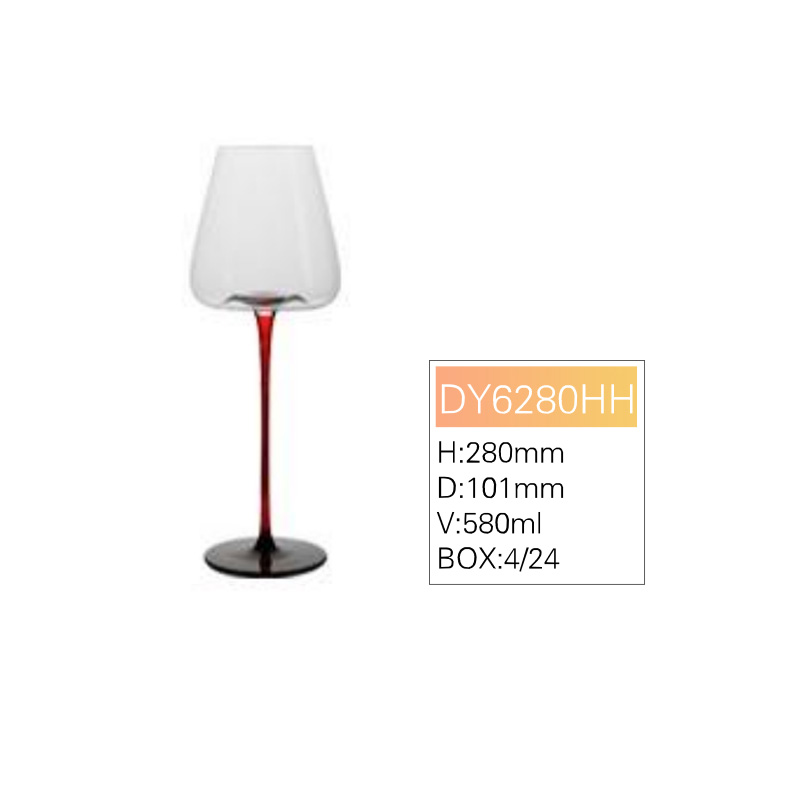 Beyond the Grape: The Delicate Art of Chinese Stemware Craftsmanship
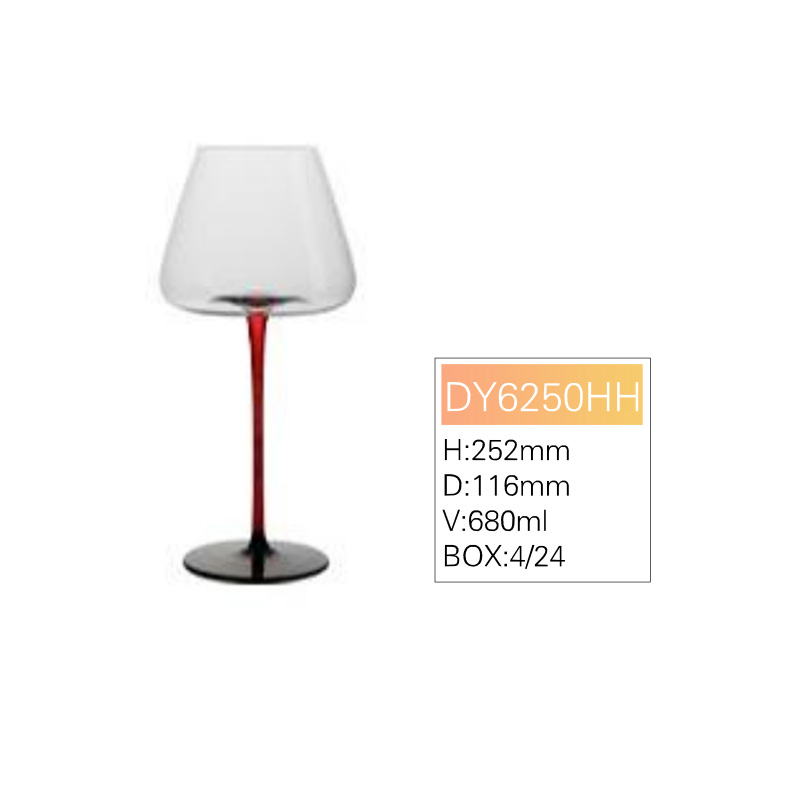 The Art of Color in China‘s Glass Cup Industry
 The Art of Clarity: A Deep Dive into the Craftsmanship of Glassware
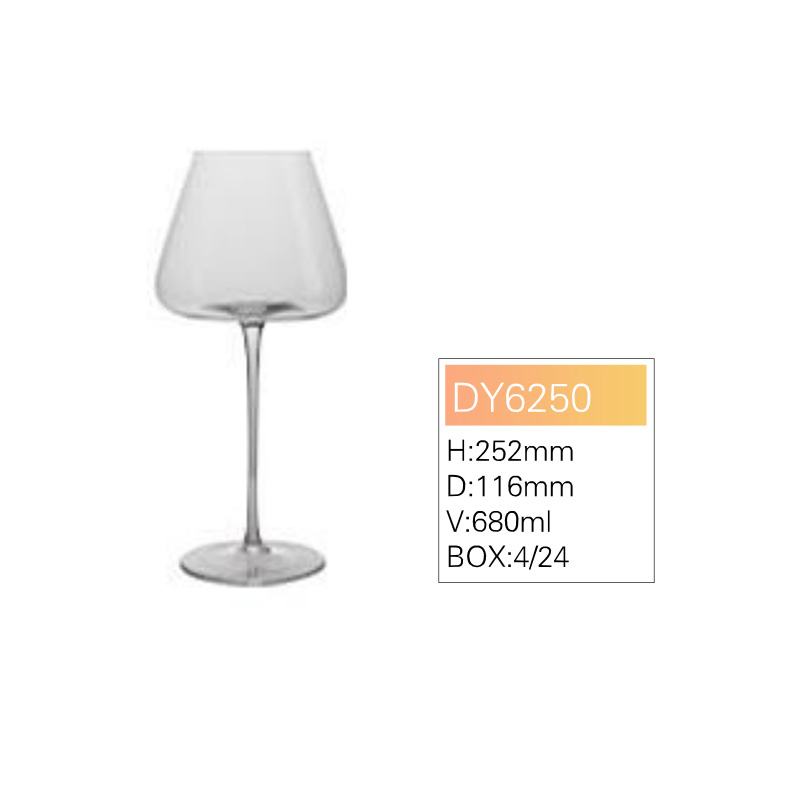 Raise Your Glass: A Guide to Glassware Materials and Types


Guangzhou HeXie Glass Co., Ltd.
Address: No. 22, Building 53, Haotai Hotel Supplies Expo City, Yingbin Road, Luopu Street, Panyu District, Guangzhou
Tel: +86-18011970645
Email: info@hexieglass.com
https://www.hexieglass.com


