Whether you are a home entertainer, a cocktail enthusiast, or just someone who appreciates a good cup of juice, understanding glassware can help you make better choices. Let’s dive into the different materials and the specific types of glasses designed for your favorite beverages.
Part 1: The Materials – What is Your Glass Made Of?
Not all "glass" is created equal. The ingredients and manufacturing process determine the glass's durability, clarity, and feel.
1. Soda-Lime Glass
This is the most common and widely used type of glass. It is made from silica (sand), soda (sodium carbonate), and lime (calcium oxide).
· Characteristics: It is inexpensive to produce and reasonably durable. However, it is not as resistant to high heat or thermal shock (sudden temperature changes) as other types.
· Common Uses: Everyday drinking glasses, mass-produced jars, and flat glass (windows). If you pick up a standard pint glass from a supermarket, it’s almost certainly soda-lime glass.
2. Lead Crystal / Crystal Glass
Often simply called "crystal," this glass contains lead oxide (typically 24% or more for "full lead crystal").
· Characteristics: The lead makes the glass softer and easier to cut and engrave. It also increases the refractive index, which means it sparkles and disperses light like a jewel. It has a characteristic "ring" when you flick it with your finger.
· Common Uses: Fine wine glasses, decanters, and fancy whiskey tumblers. Note: Due to health concerns about lead leaching, lead crystal is not recommended for storing liquids for long periods, but it is safe for short-term use during a meal.
3. Borosilicate Glass
This is the superhero of the glass world. It contains boron trioxide, which gives it a very low coefficient of thermal expansion.
· Characteristics: Extremely resistant to thermal shock. You can pour boiling water into a cold borosilicate container without it shattering. It is also very strong and chemically resistant.
· Common Uses: Laboratory beakers, kitchen measuring cups, Pyrex baking dishes, and high-end coffee equipment like Chemex carafes or French presses.
4. Tempered Glass
This is usually soda-lime glass that has been treated with heat or chemicals to increase its strength.
· Characteristics: It is about four to five times stronger than regular glass. When it does break, it shatters into small, pebble-like chunks rather than sharp, jagged shards, making it much safer.
· Common Uses: Beer pint glasses used in busy bars, dinnerware, and shower doors.
---
Part 2: The Types – A Glass for Every Drink
Now that we know what they are made of, let's look at the shapes. The design of a glass is functional: it aims to direct the drink to the right part of your tongue, trap aromas, or keep the drink cold.
For Wine Enthusiasts
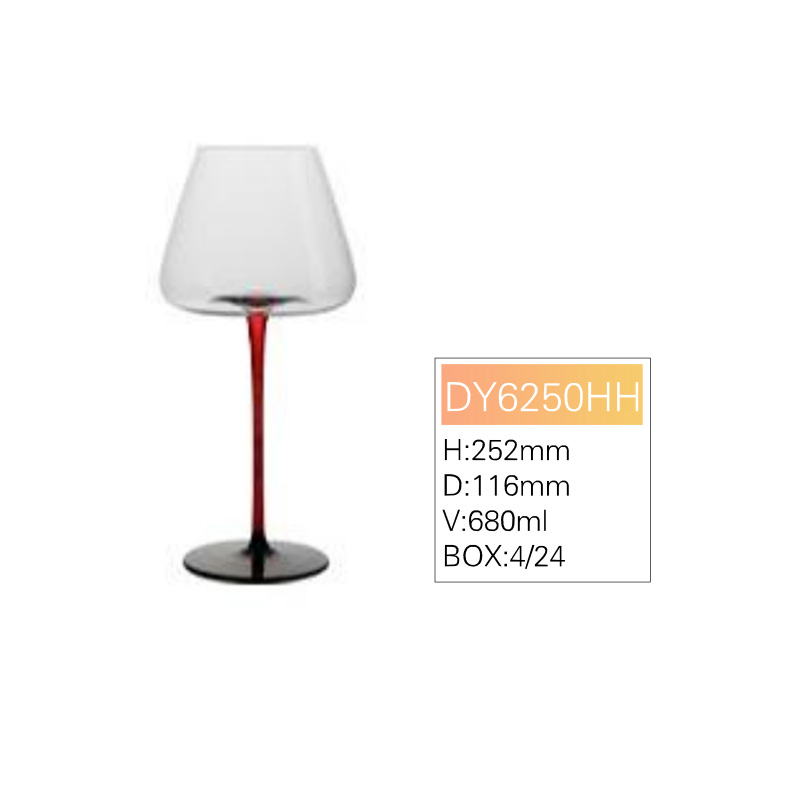
· Red Wine Glasses: These typically have a large bowl. This design allows the wine to breathe (oxidize) and directs the liquid to the back of the mouth to balance high tannins.
· Bordeaux: Tall with a broad bowl, for bold, tannic wines.
· Burgundy: Wider and shorter, to capture the delicate aromas of lighter reds like Pinot Noir.
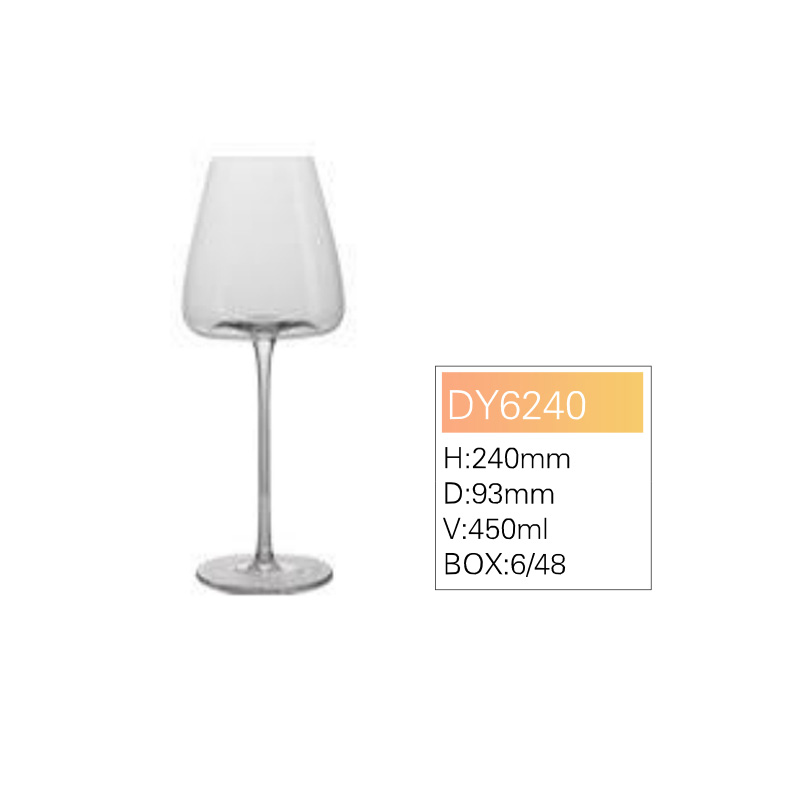
· White Wine Glasses: Generally smaller and with a narrower bowl. This helps preserve the crisp, floral aromas and keeps the wine cooler for longer.
· Champagne Flute: A tall, narrow glass designed to preserve carbonation by reducing the surface area exposed to air. The shape also allows the bubbles to rise in a steady stream.
For Spirits and Cocktails
· Highball / Collins Glass: A tall, narrow tumbler. Perfect for drinks with a high ratio of mixer to spirit, like a Gin and Tonic, a Mojito, or a simple Scotch and Soda.
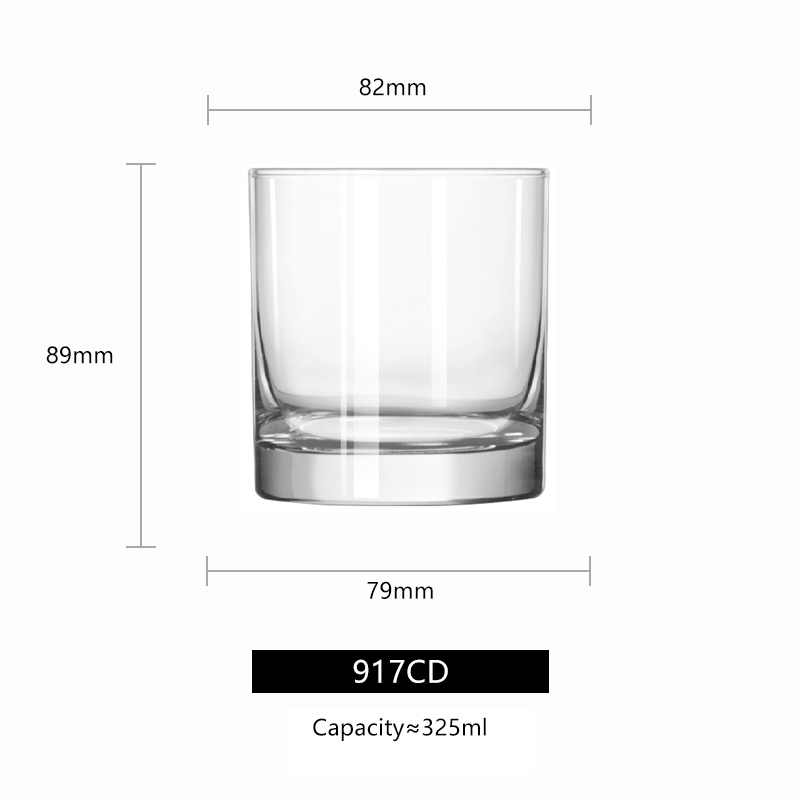
· Rocks Glass / Old Fashioned Glass: A short, wide tumbler with a heavy base. It is designed for spirits served "on the rocks" (over ice) or for simple, spirit-forward cocktails like the Old Fashioned or a Negroni.
· Martini Glass: The iconic V-shaped, stemmed glass. The wide, shallow bowl is designed to prevent the cocktail from separating and allows the drinker to sip without spilling. The stem keeps the heat of your hand away from the chilled liquid.
For Beer Lovers
· Pint Glass: The workhorse of the beer world. The two main styles are the Nonic (with a bulge near the top for grip) and the Shaker (straight-sided). Great for standard lagers and ales.
· Tulip Glass: Shaped like a tulip flower with a flared rim. It captures the head (foam) and traps aromas, making it ideal for strong, aromatic beers like IPAs and Belgian ales.
· Weizen Glass: Tall, slender, and curved. Specifically designed for wheat beers, this shape allows the beer to bubble properly (the "Wheat Beer Wave") and accommodates the thick, fluffy head, while showcasing the beer's cloudy appearance.
For Everyday Use
· The Classic Tumbler: Your go-to for water, juice, or iced tea. It has a flat bottom and straight or slightly tapered sides.
· The Hiball Glass: Essentially a taller version of the tumbler, great for soft drinks and tall cocktails.
· Shot Glass: A small glass designed to hold a "shot" of
liquor, either to be drunk quickly (a shooter) or used as a measuring tool in cocktails.
How to Choose?
When building your glassware collection, consider this simple advice:
1. For Daily Use: Stick with tempered soda-lime glass. It is durable, dishwasher safe, and affordable.
2. For Wine: If you want a special feel and sparkling clarity, invest in a few lead crystal glasses for special occasions.
3. For Coffee or Science: If you love pour-over coffee, get a borosilicate carafe. It will survive the boiling water.
So, the next time you take a sip, take a moment to appreciate the glass in your hand. It’s a small piece of functional design, perfected over centuries, to make your drink taste just a little bit better. Cheers!


 The Origin and Evolution of Chinese Wine Glass Craftsmanship
 Avoiding the Red Ocean of Homogeneous Products
 Handmade vs. Machine-Made Glassware: Which One Should You Choose?
 The Unassuming Brilliance of the Glass Cup


