This article explores how color is created in glass cups, the different technologies behind it, and why China has become the go-to destination for colored glass cup sourcing and customization.
China’s Glass Cup Industry at a Glance
China is the world’s largest producer an的 consumer of glassware. In 2025, China’s glass cup market alone reached an estimated 32 billion RMB, and industry projections suggest this will grow to 42 billion RMB by 2030, driven largely by consumer demand for premium, aesthetically designed glassware. The industry is highly concentrated in three key provinces—Guangdong, Zhejiang, and Shandong—which together account for over 70% of national production capacity. This regional concentration has fostered complete industrial chains, from raw material supply and mold making to automated production lines and global logistics networks.
Colored glass cups, in particular, have become one of the most dynamic segments of the market. As consumers increasingly seek personalized and visually appealing products, Chinese manufacturers have invested heavily in coloration technologies to meet this growing demand.
How Does Glass Get Its Color?
Glass is naturally transparent and colorless. The vibrant colors we see in glass cups come from the addition of specific coloring agents during the melting process—a technique known as “body coloring” or “batch coloring”. There are four primary mechanisms by which glass becomes colored:
Ion Coloration. This is the most common method. Transition metal oxides are added to the glass batch—cobalt produces blue, manganese yields violet, chromium gives green, and iron can create either green or amber depending on its oxidation state. The colored ions become uniformly dispersed throughout the glass melt, resulting in consistent and lasting color throughout the entire thickness of the glass.
Compound Colloidal Coloration. By adding sulfur or selenium compounds to glass containing zinc oxide, manufacturers can create vivid reds and yellows through controlled heat treatment. This technique produces the classic “selenium red” and “cadmium yellow” glasses.
Metal Colloidal Coloration. Using precious metals such as gold, silver, or copper, manufacturers create colloidal particles within the glass that scatter light to produce striking colors. Gold creates the famous “gold ruby” glass—a rich rose-red that has been prized for centuries for its scientific and aesthetic value.
Rare Earth Coloration. Rare earth elements like neodymium and erbium are increasingly used for their unique optical properties. Neodymium, for instance, produces a delicate violet hue in daylight but shifts to blue under fluorescent lighting—a phenomenon known as dichroism. These rare earth ions offer superior color stability compared to conventional transition metals.
At the industrial scale, colorants are typically added as metal oxides during the melting stage, where temperatures often exceed 1,500°C. At these extreme temperatures, the colorants undergo chemical reactions and disperse evenly throughout the molten glass. The resulting colored glass—often referred to as “through-colored glass” or “solid-colored glass”—has color that runs all the way through the material, making it permanent and resistant to fading, scratching, or peeling.
This is the essential difference between genuine colored glass and other coloration techniques. Genuine colored glass gets its color from within, ensuring lasting vibrancy, environmental safety, and superior durability. In contrast, techniques like spray coating or film application simply add a surface layer that can wear off over time.
A Spectrum of Possibilities: Color Varieties
The range of colors available in China’s glass cup industry is nothing short of astonishing. Manufacturers can produce glass in over 100 distinct shades, with virtually any custom color possible through careful formulation of colorants.
Common color categories include:
· Transparent/Flint Glass: The classic clear glass that showcases the contents within
· Amber/Brown: Provides UV protection and a warm, classic appearance
· Cobalt Blue: Vibrant and eye-catching, often used for premium products
· Green (Antique Green, Dead Leaf Green): Elegant and natural, associated with traditional European aesthetics
· Opaque Colors (Frosted, Stained, or Tinted): Offers privacy and mystery for the contents inside
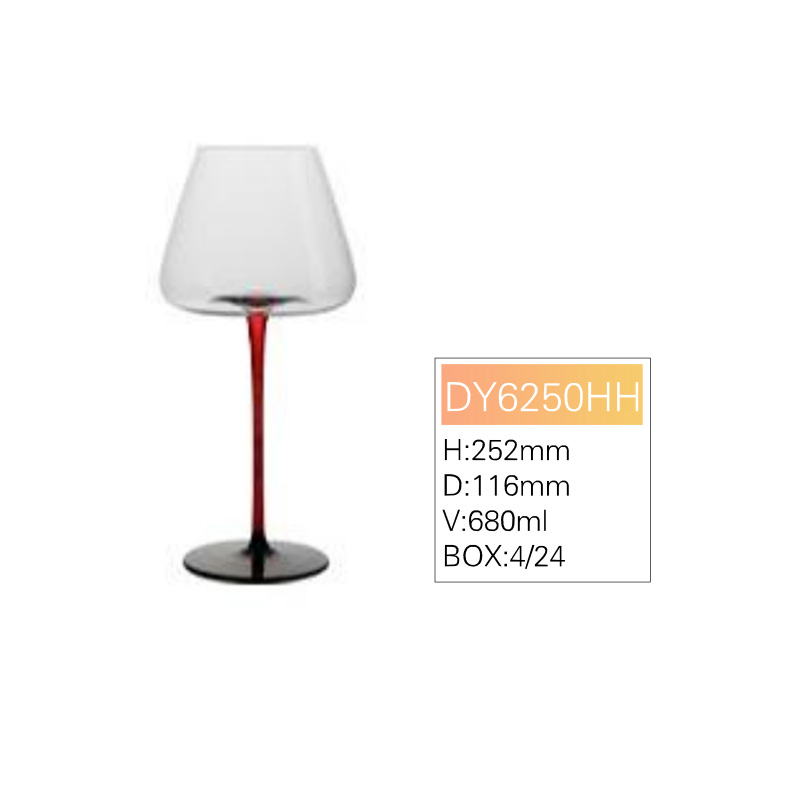
· Black and Red: Among the most expensive colors due to the complexity of formulation and higher raw material costs
One notable manufacturer—Beijing-based Garbo Glass—reports regularly producing four standard solid colors (grey, blue, green, and pink) alongside custom options including red, amber, Tiffany blue, and more. With colorists who can provide fine-tuned samples against Pantone color charts within seven working days, Chinese manufacturers have transformed color matching from an artisanal craft into a precise science.
Customization: Where China Excels
Perhaps the greatest strength of China’s colored glass cup industry lies in its customization capabilities. Whether you need 1,000 pieces or 100,000, Chinese manufacturers offer end-to-end solutions from color formulation to mass production.
Consider a real-world example: a global home furnishings giant needed to launch a seasonal kitchen collection featuring glasses in a specific red color. The requirements were demanding—exact Pantone matching, strict EU LFGB and FDA environmental standards, a 55-day timeline from sample approval to delivery of 100,000 units, and competitive pricing. A Chinese manufacturer rose to the challenge, delivering five refined color samples within seven days, using proprietary lead- and cadmium-free formulations, optimizing automated production lines to cut production cycles by 15%, and ultimately delivering all products three days early with a defect rate of just 0.3%—far below the industry standard of 1.5%. The product became the season‘s top seller, achieving a 200% repurchase rate.
This level of responsiveness and technical capability is why global brands increasingly turn to China for their colored glass cup needs. From home décor giants like JO MALONE, Yankee Candle, and Lipton to independent brands, Chinese manufacturers provide flexible MOQs, rapid prototyping, and full-service customization that includes design, mold-making, coloring, polishing, and advanced finishing techniques such as electroplating, laser engraving, and UV coating.
The diversity of available glass materials further expands customization possibilities. Manufacturers work with high-white glass, crystal white glass, ordinary white glass, and high-borosilicate glass—each with different thermal and optical properties suited to specific applications. For instance, high-borosilicate glass (which contains about 80% silica) offers exceptional thermal shock resistance, making it ideal for cups that go from freezer to boiling water without cracking.
And the technology continues to evolve. Some Chinese producers have pioneered advanced techniques like electro-optical water coating—a process that creates microscopic refractive surfaces, causing the glass to shift colors when viewed from different angles in sunlight. Others specialize in gradient color cups, where colors transition smoothly from one shade to another. Still others produce composite colored glass using patented multi-layer pressing methods. Huailai Tianyuan, for example, has fully independently developed colored high-borosilicate glass production technology—not only filling a gap in China’s industry but pioneering certain coloring techniques on a global scale.
These innovations demonstrate that China is not merely following global trends in glass coloration but actively shaping them through R&D and technological advancement.
The Environmental Imperative
As global consumers become more environmentally conscious, the colored glass cup industry has responded with green innovation. Manufacturers increasingly adopt lead- and cadmium-free pigment formulations, offering SGS migration test reports to verify compliance with international safety standards such as FDA and LFGB.
Beyond non-toxic colorants, the industry is embracing broader sustainability measures. Some facilities use recycled glass cullet in their batch formulations, reducing raw material consumption and energy use. Electric furnaces with precision temperature controls (±1°C) reduce energy waste while ensuring color consistency. Closed-loop water systems and optimized heat recovery minimize the environmental footprint of glass production. The use of sustainable packaging materials and BPA-free, reusable glass cups further aligns with global green trends.
The push for sustainability is more than just a compliance exercise—it is a market opportunity. Industry projections suggest that environmentally certified glass products are growing at an annual rate of 15%, representing a blue ocean for manufacturers who prioritize green production methods.
Why China Dominates the Colored Glass Cup Market
The rise of China as the world’s premier source for colored glass cups is no accident. Several factors converge to give Chinese manufacturers an unbeatable edge:
Industrial Clusters. With three major production hubs in Guangdong (precision and export-oriented), Zhejiang (high-volume and cost-effective), and Shandong (scale and automation), the industry benefits from deep supply chains, shared expertise, and intense competition that drives continuous improvement.
Rapid Prototyping and Shorter Lead Times. Chinese manufacturers can turn around custom color samples in days rather than weeks, thanks to dedicated sample departments and extensive experience working with international color standards like Pantone. Mold development cycles are up to 50% shorter than in Western countries.
Cost Efficiency. Lower labor costs, energy-efficient production, and economies of scale allow Chinese manufacturers to offer competitive pricing without sacrificing quality. Some factories have daily capacities of 800,000 pieces, ensuring that large orders can be fulfilled on schedule.
Full-Service Capabilities. From raw material sourcing and color formulation through molding, mass production, quality inspection, and international shipping, Chinese manufacturers provide end-to-end solutions. Many also offer value-added services like logo printing, custom packaging, and supply chain management.
Certification and Compliance. Leading manufacturers maintain ISO 9001 certification and can provide comprehensive safety and migration test reports (SGS, FDA, LFGB) to meet regulatory requirements in target markets. This commitment to quality assurance builds trust with international buyers.
Looking Ahead: The Future of Colored Glass in China
As we look toward 2030 and beyond,
several trends will shape the future of China’s colored glass cup industry. The market is projected to exceed 60 billion RMB, with annual growth of 6–7%. Smart manufacturing is on the rise—AI quality inspection systems are expected to reach 40% penetration by 2025, pushing yield rates above 98%.
Premium custom products will continue to outperform the broader market, with profit margins reaching 25–30% as consumers increasingly demand unique, personalized glassware. At the same time, environmental regulations will tighten, further accelerating the shift toward lead-free, cadmium-free formulations and sustainable production practices.
And for those who care about the science behind the beauty—whether you are a brand manager sourcing for a global launch, a designer seeking the perfect Pantone match, or simply a curious consumer—the art of color in glass will only grow richer, more precise, and more sustainable in the years ahead.


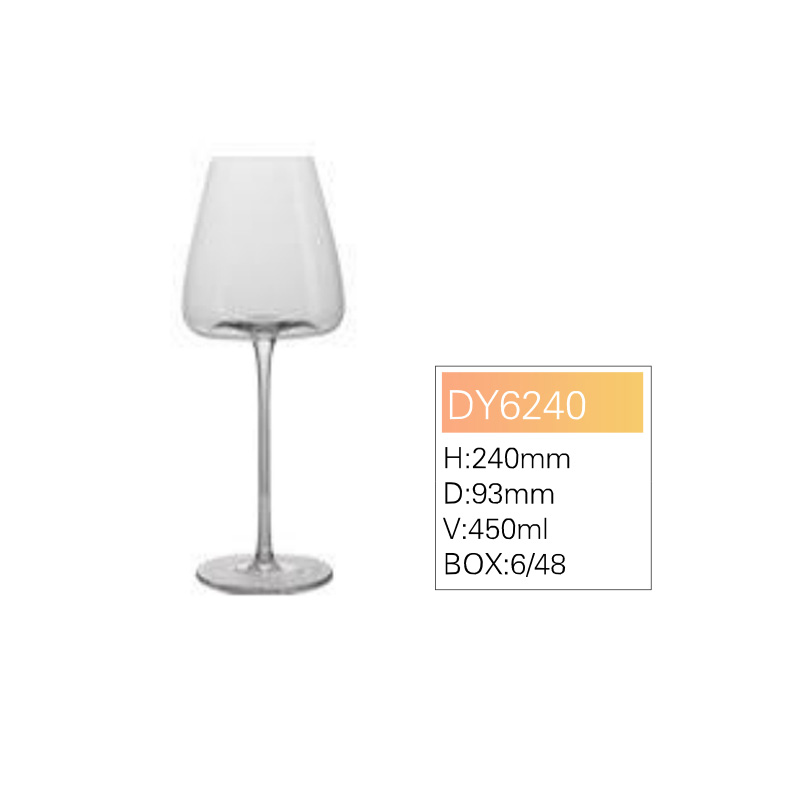 The Origin and Evolution of Chinese Wine Glass Craftsmanship
 Avoiding the Red Ocean of Homogeneous Products
 Handmade vs. Machine-Made Glassware: Which One Should You Choose?
 The Unassuming Brilliance of the Glass Cup


