Red Wine Glass vs. White Wine Glass: Key Differences Explained
When it comes to the world of wine, the vessels we choose to consume our favorite varietals from can significantly impact the overall tasting experience. Each type of wine—be it red, white, or sparkling—has specific glassware designed to enhance its unique characteristics. But what is the difference between red and white wine glasses? The difference between red and white wine glasses lies in their design, shape, type and size, meticulously crafted to enhance the sensory experience of red or white wine. Glasses designed specifically for red and white wines aren’t just a matter of aesthetic preference; they are engineered to enhance the unique characteristics of each type of wine. In this article, Hexiehome will unravel the key differences in greater detail, shedding light on the science and art behind these essential tools for wine appreciation.
What is a red wine glass?
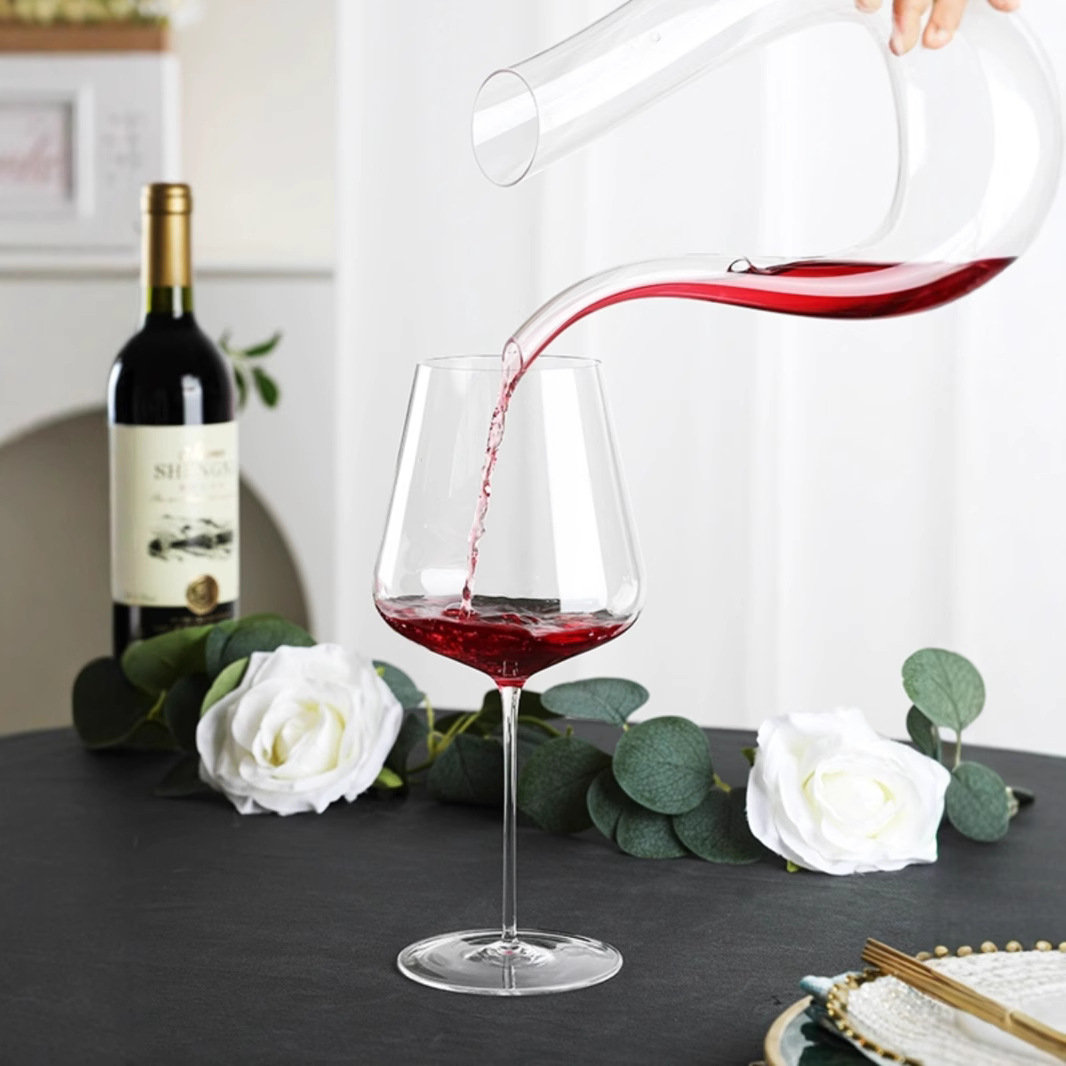
As the appreciation for wine evolved, so did the tools and vessels used to serve and enjoy it. Among these, the red wine glass holds a special place. Its design, shape, and size have been meticulously crafted to enhance the sensory experience of drinking red wine.
Design and characteristics
The design of a red wine glass is not arbitrary; it is the result of centuries of experimentation and refinement. Several key design elements contribute to its effectiveness in enhancing the red wine-drinking experience:
- Shape and Size:Red wine glasses are characterized by their larger, rounder bowls compared to their white wine counterparts. This design allows for greater oxidation, which can enhance the complexity and depth of red wines. The wider opening also facilitates the release of more robust aromas, which are often more pronounced in red wines.
- Bowl Shape: The bowl of a red wine glass is typically broader and rounder than that of a white wine glass. This shape allows for greater contact between the wine and the air, facilitating the release of aromatic compounds. Additionally, the wider bowl provides more space for swirling the wine, which can help aerate it and unlock its full range of flavors and aromas.
- Rim Diameter:The rim diameter of a red wine glass is usually wider than that of a white wine glass. A wider rim allows for a more expansive aromatic experience, as it directs the wine’s aromas toward the nose more effectively. This is particularly important for red wines, which often have more complex and robust aromas than white wines.
- Stem and Base:Similar to white wine glasses, red wine glasses feature a stem that serves both functional and aesthetic purposes. By holding the glass by the stem, you avoid warming the wine and maintain its optimal temperature. The base of a red wine glass is typically broad and stable, ensuring stability and balance.
- Design:The design of a red wine glass is not merely a matter of aesthetics; it is grounded in scientific principles that aim to optimize the sensory experience. Understanding these principles can deepen your appreciation for the complexities of red wine and the role that glassware plays in enhancing its enjoyment.
Functionality
- Aeration:The larger bowl of a red wine glass provides ample space for swirling, a process that exposes the wine to oxygen and promotes aeration. This aeration can soften tannins and volatilize aromatic compounds, revealing the wine’s full range of flavors and aromas.
- Temperature Control:Red wines are generally best served at slightly warmer temperatures than white wines, typically between 55°F and 68°F (13°C and 20°C). The design of a red wine glass helps to maintain these temperatures while allowing the wine to breathe and develop.
- Flavor Concentration:The wider rim of a red wine glass allows for a more expansive distribution of wine across the palate, facilitating the perception of complex flavors. This is particularly important for red wines, which often exhibit a broader range of flavors and textures compared to white wines.
- Oxidation and Flavor Development:The larger, rounder bowl of a red wine glass promotes greater oxidation, a process that can soften tannins and enhance flavor complexity. As the wine interacts with oxygen, volatile compounds are released, revealing secondary and tertiary aromas and flavors.
- Mouthfeel and Texture:The shape of the glass can influence the perception of mouthfeel and texture in the wine. A wider rim allows for a broader dispersion of the wine across the palate, creating a more harmonious integration of flavors and a smoother, more luxurious mouthfeel.
- Visual Presentation:Finally, the design of a red wine glass can enhance the visual presentation of the wine. The deep, rich colors of red wines can be fully appreciated in a glass that showcases these characteristics, allowing you to fully engage with the wine on multiple sensory levels.
What is a white wine glass?
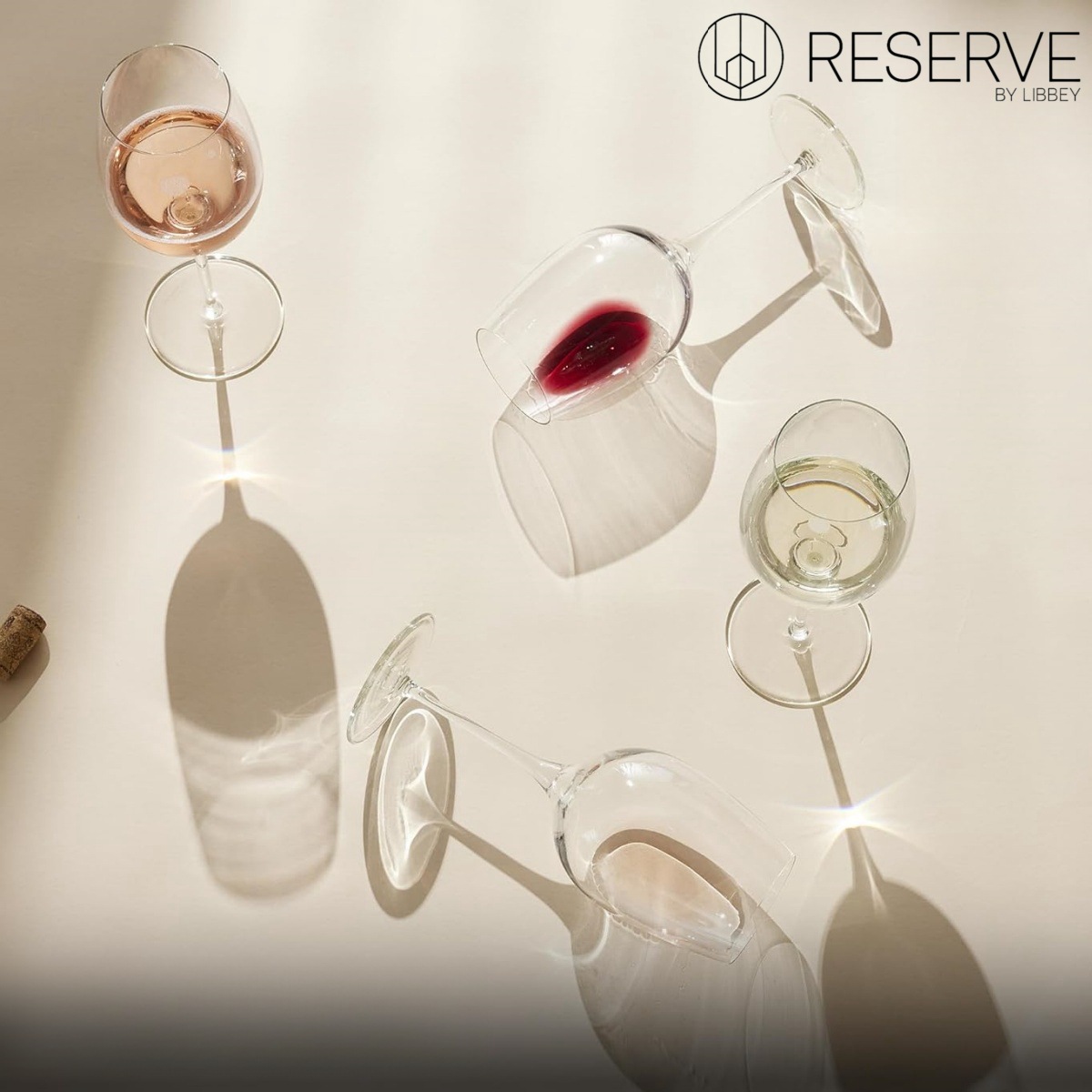
A white wine glass is a meticulously designed vessel that enhances the sensory experience of drinking white wine. From its U-shaped bowl and tapered rim to its functional stem and base, every aspect of the glass is carefully considered to optimize the wine’s aroma, flavor, and temperature.
Design and characteristics
- Shape and Size:White wine glasses typically have a U-shaped bowl that is narrower and more upright than that of red wine glasses. This design serves to preserve the delicate aromas and flavors of white wines, which are generally more subtle than their red counterparts. The narrower bowl also helps to maintain cooler temperatures, as white wines are best served chilled.
- Rim:The rim of a white wine glass is often slightly tapered or rolled inward. This design directs the wine to the front and sides of the tongue, enhancing the perception of acidity and fruitiness while minimizing the impact of any bitterness or alcohol.
- Stem and Base:The stem of a white wine glass serves both functional and aesthetic purposes. By holding the glass by the stem, you avoid warming the wine with the heat from your hand. Additionally, the stem allows you to swirl the wine, releasing its aromas and flavors. The base is typically broad and stable, ensuring that the glass remains upright on a flat surface.
- Design:The design of a white wine glass is not just a matter of aesthetics; it is grounded in scientific principles that aim to optimize the sensory experience. The shape and size of the glass affect how the wine interacts with air and how it is perceived by the senses.
Functionality
- Aeration:Swirling white wine in a glass exposes it to oxygen, which can help to open up its aromas and flavors. The U-shaped bowl of a white wine glass provides ample space for swirling, allowing the wine to aerate effectively.
- Temperature Control:White wines are generally best served at cooler temperatures, typically between 45°F and 55°F (7°C and 13°C). The design of a white wine glass helps to maintain these cooler temperatures by minimizing the surface area exposed to the air and by directing the wine towards the center of the glass where it is less likely to warm up.
- Aroma Concentration:The narrow opening of a white wine glass concentrates the aromas as you bring the glass to your nose, allowing you to fully appreciate the wine’s bouquet. This is particularly important for white wines, which often have more delicate and nuanced aromas than red wines.
- Surface Area and Evaporation:The narrower bowl of a white wine glass reduces the surface area exposed to the air, minimizing evaporation and helping to maintain cooler temperatures. This is crucial for preserving the volatile compounds that contribute to the wine’s aroma and flavor.
- Acidity and Perception:The shape of the glass can also influence the perception of acidity in the wine. By directing the wine to specific areas of the tongue, the glass can accentuate or mitigate the sensation of acidity, creating a more balanced and enjoyable tasting experience.
- Visual Presentation:Finally, the design of a white wine glass can also enhance the visual presentation of the wine. The clarity and color of white wines can be fully appreciated in a glass that showcases these characteristics, allowing you to fully engage with the wine on multiple sensory levels.
What is the difference between a white wine glass and a red wine glass?
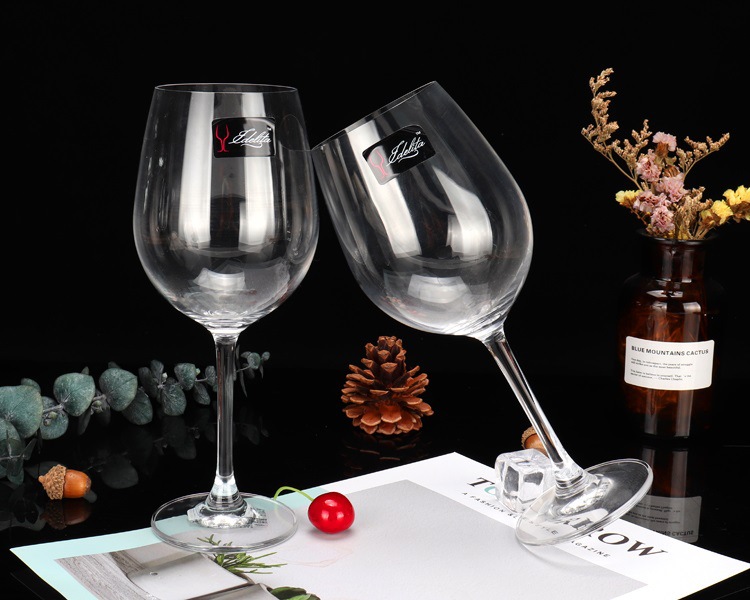
Red wine glasses and white wine glasses are designed differently based on the wine they are meant to hold. The main difference between red and white wine glasses is – the shape. White wine glasses typically have smaller bowls and narrower openings than red wine glasses. Additionally, the walls of a white wine glass bowl will be less curved.
Red wine glasses are typically taller and have a larger bowl compared to white wine glasses. This is because red wines are usually bolder and have complex flavors and aromas that need more space to develop. Therefore, a larger glass allows all the rich flavors and aromas of red wine to emerge.
Let’s list all the differences:
Shape and Size
Red Wine Glass:
- Bigger Bowl:Red wine glasses typically have a larger bowl compared to white wine glasses. This design allows for better aeration, which is essential for releasing the wine’s intricate flavors and aromas.
- Wider Opening:The wider opening of a red wine glass ensures that the wine comes into contact with more air, promoting oxidation and softening tannins in red wines.
- Tapered Rim: Often, red wine glasses have a slightly tapered rim that concentrates the aromas, directing them towards the nose.
White Wine Glass:
- Smaller Bowl:White wine glasses usually have a smaller bowl to preserve the wine’s delicate aromas and maintain cooler temperatures.
- Narrower Opening:The narrower opening minimizes the wine’s contact with air, preserving its freshness and acidity.
- Straight or Slightly Flared Rim:The rim of a white wine glass is generally straight or slightly flared to direct the wine towards the front of the palate, highlighting its crispness and acidity.
Material
Both red and white wine glasses are commonly made from high-quality crystal or glass. However, some glasses designed for specific varietals or premium wines may be made from lead crystal, which can enhance the wine’s clarity and brilliance. It’s essential to choose glasses that are free from imperfections and have a smooth, thin rim to ensure a pleasant drinking experience.
Stemmed vs. Stemless
One of the most noticeable differences is the length of the stem. Typically, white wine glasses feature longer stems than red wine glasses. This design allows the drinker to hold the glass without affecting the wine’s temperature. White wines are best served chilled, and the longer stem of a white wine glass helps to keep the wine at the optimal temperature. By holding the glass further away from the bowl, the drinker can enjoy their wine without the risk of warming it up.
Stemmed Glasses: Traditional wine glasses feature a stem, which allows you to hold the glass without warming the wine with the heat from your hand. Additionally, the stem prevents fingerprints on the bowl, ensuring that you can appreciate the wine’s color and clarity fully.
Stemless Glasses: Stemless wine glasses have gained popularity for their modern appearance and stability. While they may not offer the same temperature-controlling benefits as stemmed glasses, they are a practical option for casual settings and outdoor events. Stemless glasses are more suitable for red wines since they aren’t affected by slightly warmer, room temperatures.
Purpose and Functionality
Red Wine Glasses: Designed to enhance the robust flavors and aromas of red wines, these glasses are ideal for varietals such as Cabernet Sauvignon, Merlot, Malbec, Syrah and others. The larger bowl and wider opening allow the wine to breathe, revealing its full complexity and depth. Red wine glasses are designed to enhance the wine’s aroma, similar to a decanter.
White Wine Glasses: Tailored to showcase the crispness and freshness of white wines, these glasses are perfect for famed varietals like Chardonnay, Sauvignon Blanc, Viognier, Pinot Grigio and others. The smaller bowl and narrower opening help preserve the wine’s delicate aromas and maintain its vibrant acidity.
Cleaning and Maintenance
To ensure the longevity of your wine glasses and maintain their optimal performance, it’s crucial to handle them with care. Always hand wash your wine glasses using a mild detergent and lukewarm water, avoiding abrasive sponges or dishwashers that can cause scratches or damage. After washing, rinse the glasses thoroughly and dry them with a soft, lint-free cloth to prevent water spots and maintain their clarity.


 Beyond the Grape: The Delicate Art of Chinese Stemware Craftsmanship
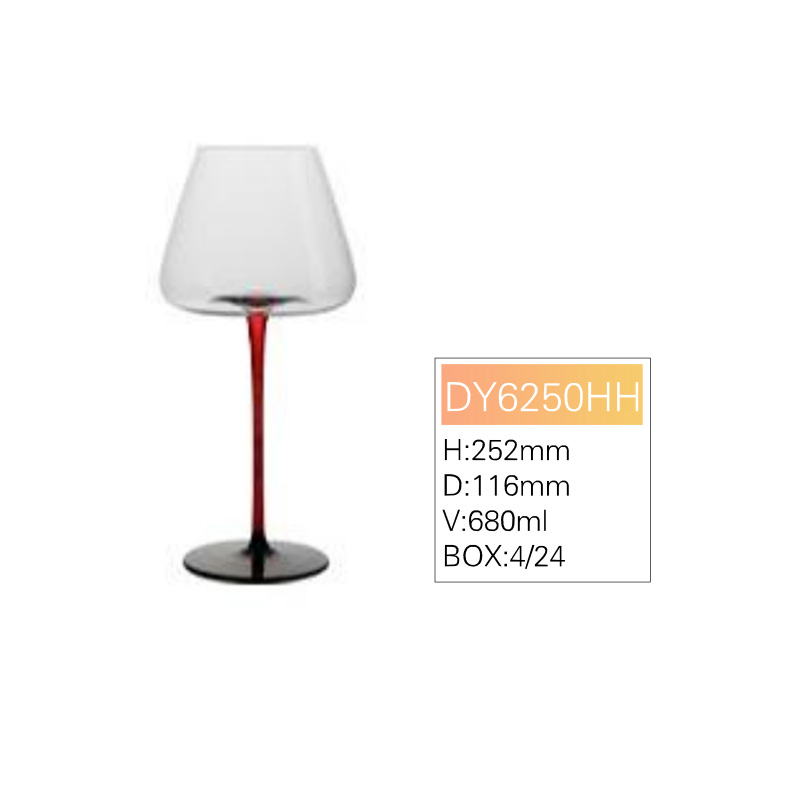 The Art of Color in China‘s Glass Cup Industry
 The Art of Clarity: A Deep Dive into the Craftsmanship of Glassware
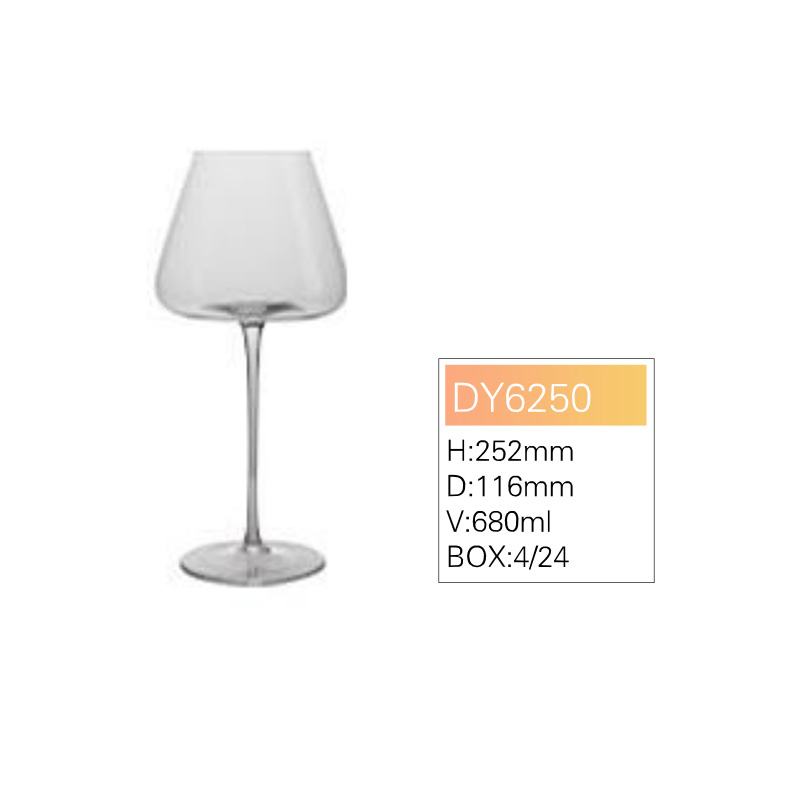 Raise Your Glass: A Guide to Glassware Materials and Types


