


Introduction
Glass cups are an integral part of our daily lives, whether it's for sipping a morning coffee, enjoying a refreshing drink in the afternoon, or having a glass of water throughout the day. The materials used in their production play a crucial role in determining their quality, performance, and aesthetic appeal. In this article, Hexieglass will explore the various materials that make up glass cups, their characteristics, and the reasons behind their popularity.
Soda - Lime Glass
Soda - lime glass is by far the most common type of glass used in the production of glass cups. It is composed mainly of silica (SiO₂), soda (sodium carbonate, Na₂CO₃), and lime (calcium oxide, CaO). Silica provides the basic structure of the glass, giving it hardness and chemical durability. Soda is added to lower the melting point of silica, making it easier to work with during the manufacturing process. Lime, on the other hand, stabilizes the glass and improves its chemical resistance.
One of the main advantages of soda - lime glass is its relatively low cost. It is widely available and can be mass - produced efficiently. This makes it an ideal choice for everyday glassware, such as drinking glasses, mugs, and tumblers. Soda - lime glass has good transparency, allowing for a clear view of the contents inside the cup. However, it is not as heat - resistant as some other types of glass. When exposed to rapid temperature changes, it may crack or shatter. For example, pouring boiling water into a cold soda - lime glass cup may cause it to break.

Borosilicate glass is another important material used in glass cup manufacturing. It contains a significant amount of boron trioxide (B₂O₃) in addition to silica, soda, and lime. The presence of boron trioxide gives borosilicate glass unique properties.
One of the most notable features of borosilicate glass is its excellent heat - resistance. It can withstand rapid temperature changes without cracking or breaking. This makes it suitable for use in applications where hot liquids are involved, such as coffee cups, tea kettles, and laboratory glassware. Borosilicate glass also has a lower coefficient of thermal expansion compared to soda - lime glass. This means that it expands and contracts less when heated or cooled, further enhancing its thermal stability.
In addition to its heat - resistance, borosilicate glass has good chemical resistance. It is less reactive to acids, alkalis, and other chemicals, making it a reliable choice for storing various beverages. The transparency of borosilicate glass is also very high, providing a clear and attractive appearance to the glass cups. However, borosilicate glass is generally more expensive to produce than soda - lime glass due to the cost of the raw materials and the more complex manufacturing process.
Lead crystal glass, also known as leaded glass, is a type of glass that contains lead oxide (PbO). The addition of lead oxide to the glass composition has several effects. It increases the refractive index of the glass, giving it a brilliant and sparkling appearance. This makes lead crystal glass highly prized for its aesthetic appeal, especially in high - end glassware, such as fine wine glasses and decorative goblets.
Lead crystal glass also has a higher density compared to other types of glass, which gives it a solid and substantial feel in the hand. The presence of lead oxide makes the glass softer and more malleable during the manufacturing process, allowing for intricate and detailed designs to be created. However, due to concerns about the potential release of lead into food and beverages, the use of lead crystal glass in everyday tableware has decreased in recent years. In some countries, there are strict regulations regarding the amount of lead that can be present in glassware intended for food contact.
Tempered glass cups are mainly made from soda - lime glass, with components like silica (SiO₂), sodium oxide (Na₂O), and calcium oxide (CaO). This basic glass composition is then transformed through a tempering process, usually involving rapid heating and cooling.
Tempered glass cups exhibit remarkable features. First, they are highly robust, boasting a strength several times that of regular glass. This makes them highly resistant to impacts, whether from accidental drops or knocks. In case of breakage, instead of shattering into sharp shards, they break into small, relatively harmless granular pieces, ensuring safety. Moreover, they have excellent thermal stability, capable of withstanding sudden temperature changes without cracking.
These properties lead to widespread applications. In daily life, they are a popular choice for home use, ideal for both hot and cold beverages. In cafes and restaurants, their durability meets the demands of frequent use. They are also favored for outdoor activities like picnics and camping, as their toughness makes them suitable for rough handling during travel.

Conclusion
In conclusion, the materials used in glass cups vary widely, each with its own set of properties and advantages. Soda - lime glass is the most common and affordable option, suitable for everyday use despite its limited heat - resistance. Borosilicate glass offers excellent heat - resistance and chemical stability, making it ideal for applications involving hot liquids. Lead crystal glass, known for its brilliant appearance, is mainly used in high - end and decorative glassware, although concerns about lead have restricted its use in some areas. Aluminosilicate glass provides strength and durability, making it a great choice for long - lasting glass cups.
Understanding the different materials of glass cups can help consumers make more informed decisions when purchasing glassware. Whether it's for practical use, aesthetic enjoyment, or a combination of both, there is a type of glass cup material to meet every need. Manufacturers continue to research and develop new glass compositions to improve the performance and quality of glass cups, ensuring that they remain a staple in our kitchens and dining tables for years to come.
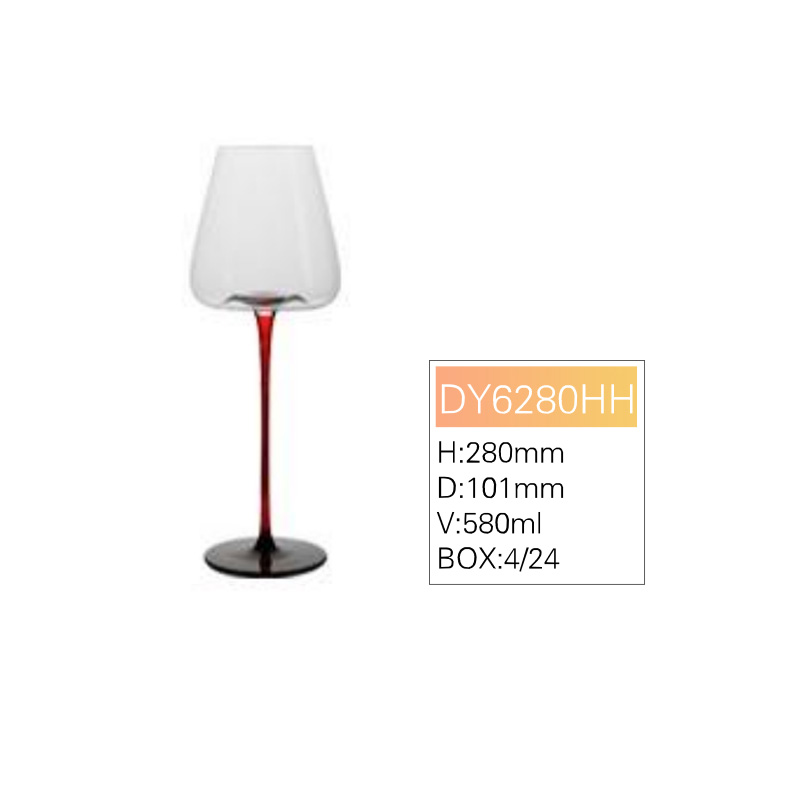 Beyond the Grape: The Delicate Art of Chinese Stemware Craftsmanship
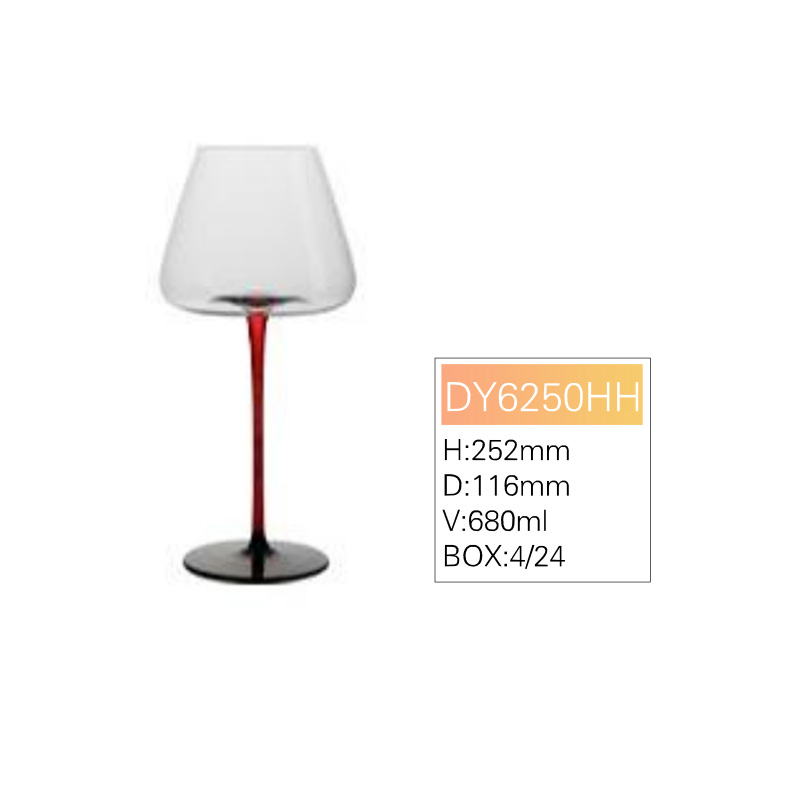 The Art of Color in China‘s Glass Cup Industry
 The Art of Clarity: A Deep Dive into the Craftsmanship of Glassware
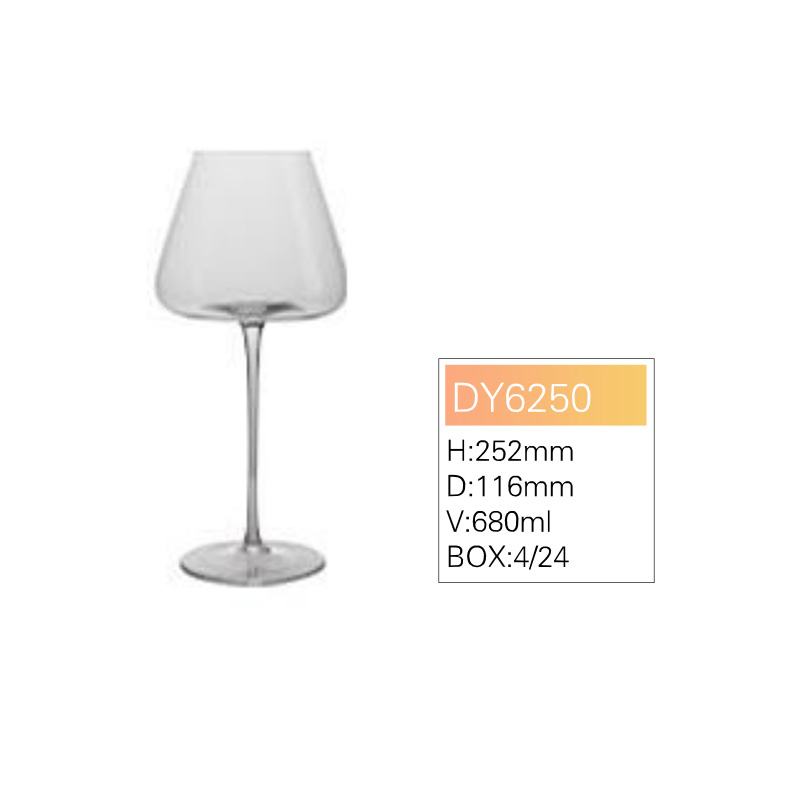 Raise Your Glass: A Guide to Glassware Materials and Types


Guangzhou HeXie Glass Co., Ltd.
Address: No. 22, Building 53, Haotai Hotel Supplies Expo City, Yingbin Road, Luopu Street, Panyu District, Guangzhou
Tel: +86-18011970645
Email: info@hexieglass.com
https://www.hexieglass.com


