Pouring Success: Why Foreign Glassware Brands Are Cheers-ing to Chinese Manufacturing
However, beneath the surface of this tradition, a significant industrial shift is taking place. As we move through 2026, a growing number of foreign glassware brands are looking east. The question is no longer if a premium brand should establish a production base in China, but when and how.
At first glance, this might seem like a simple quest for lower labor costs. But the reality is far more strategic. China has evolved from the world's workshop into a powerhouse of integrated supply chains, advanced manufacturing, and—most importantly—the world's most promising consumer market. Here is why the future of foreign酒杯 brands is being shaped in cities like Shijiazhuang, Quanzhou, and Yantai.
The Numbers Don't Lie: A Market on the Rise
Before discussing production, we must look at consumption. The global wine glass market is on a steady climb, projected to reach approximately USD 3.20 billion by 2033 . While North America and Europe remain dominant in terms of tradition, the engine of growth is firing in Asia-Pacific.
According to industry forecasts, the Asia-Pacific region is expected to witness the fastest growth during this period, driven by rising disposable incomes, rapid urbanization, and the increasing adoption of Western dining and drinking culture . As more Chinese consumers develop a taste for vintage wines and single-malt whiskies, their demand for the proper stemware to enjoy them follows naturally.
For a foreign brand, a factory in China isn't just an export hub; it is a direct pipeline to the fastest-growing consumer base on the planet.
Beyond Cheap Labor: The Allure of the "Super Supply Chain"
The common misconception is that brands move to China to save money. While cost efficiency remains a factor, the real draw in 2026 is supply chain supremacy.
1. Integrated Industrial Clusters
Gone are the days of fragmented sourcing. In regions like Hebei (Shijiazhuang) and Fujian (Quanzhou), industrial clusters have matured into comprehensive ecosystems. Here, raw material processing, mold design, automated glass blowing, and even packaging converge under one logistical umbrella . This integration allows for rapid prototyping and scalability that European factories, often constrained by historic preservation laws and manual techniques, simply cannot match.
2. The Rise of "Mass-tige" and Customization
The modern drinker wants uniqueness. Whether it is a laser-etched logo for a Shanghai whisky bar or a specific tint of smoke glass for a boutique hotel chain, customization is king.
Chinese suppliers have become experts in offering modular customization at scale. A foreign brand can now set up a factory and utilize local expertise to offer color tints (amber, teal), material blends (lead-free crystal, borosilicate), and varied sizes without massive retooling costs . For example, suppliers in the Yantai region are known for offering free samples and flexible MOQs (Minimum Order Quantities), allowing brands to test new designs with lower risk .
3. Speed and Reliability
In the luxury goods market, stock-outs mean lost customers. Chinese manufacturing hubs have developed a reputation for operational discipline that rivals the West. Data from major sourcing platforms shows that top-tier Chinese suppliers maintain on-time delivery rates of 92% to 100%, with response times to B2B inquiries often under three hours . This logistical reliability ensures that a sudden spike in demand for a specific "Glencairn-style" glass in Tokyo or Singapore can be met with agility.
The "Made in China" Paradox: Quality without the Crystal Ceiling
There is a lingering perception that "premium" requires "European production." However, the technical gap is closing rapidly. As noted by industry insiders in China's "hardware capital" of Yongkang, "Chinese manufacturing does not lack technology" .
The same precision engineering that allows Chinese factories to produce aerospace components now allows them to master the delicate art of glassmaking. Advanced techniques such as laser welding for vacuum insulation (seen in high-end titanium cups) and polarized light stress testing for crystal are now standard in top-tier Chinese facilities .
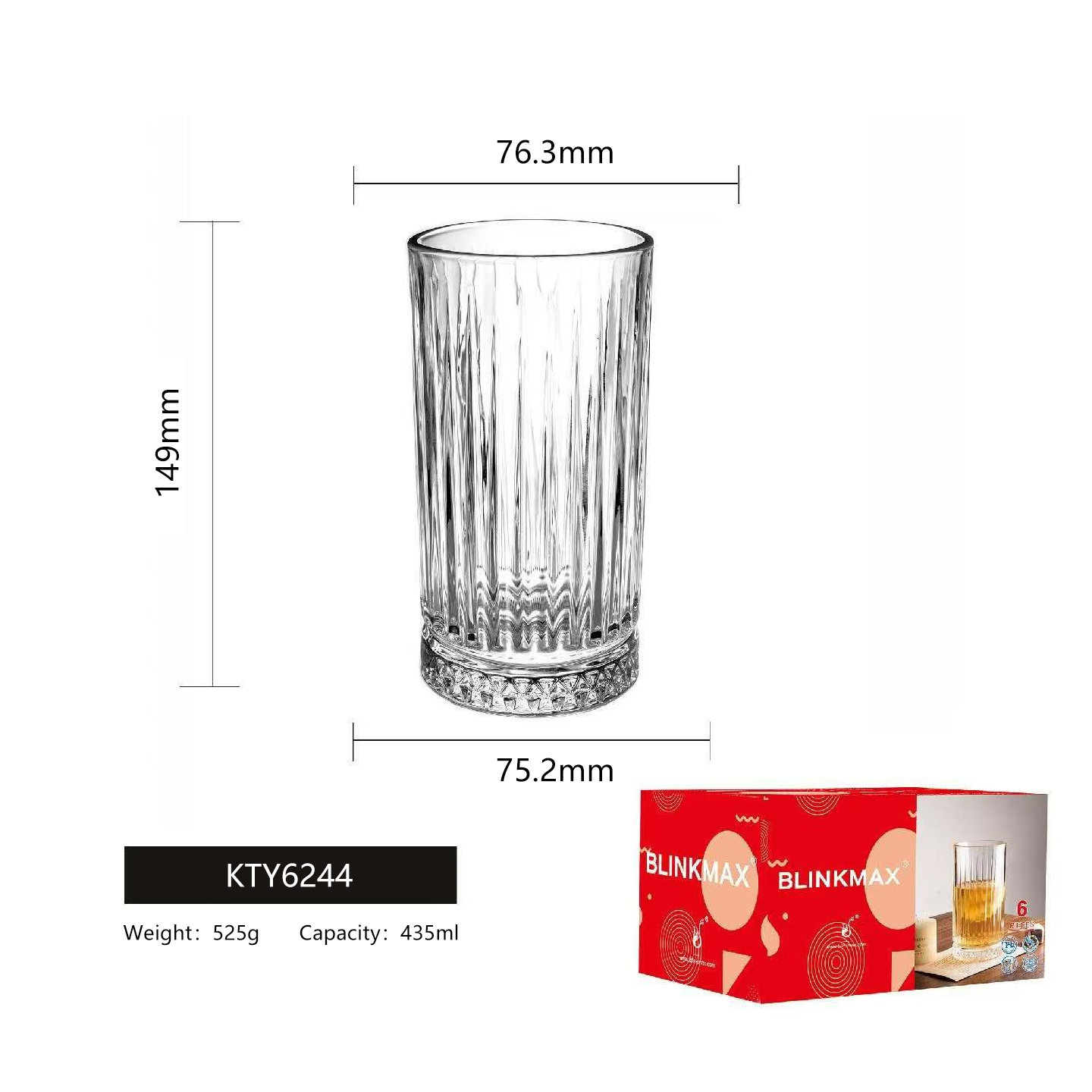
For a foreign酒杯 brand, establishing a factory in China allows them to produce the same high-quality, lead-free crystal glasses they do in Europe, but with the added benefit of integrating smart manufacturing technologies that are more readily adopted in China's modern industrial parks.
Navigating the Challenges: The "Brand" Question
However, the path is not without its obstacles. The biggest challenge for a foreign entrant isn't production—it is brand differentiation in a market full of "good enough" local alternatives.
Local Chinese giants like
Anhui Deli daily Glass Co., Ltd. and Shandong Huapeng Glass Co., Ltd. are already formidable competitors . They understand the local taste preferences and distribution channels intimately. Furthermore, the recent volatility in global trade, including tariff wars, has taught foreign brands the importance of "de-risking" their supply chains .
For the foreign brand, the factory in China must be positioned not just as a cost center, but as a strategic asset for innovation. By investing in R&D facilities within their Chinese factories, Western brands can leverage local engineering talent to develop new products specifically tailored for the Asian palate—perhaps a glass engineered to enhance the aroma of Japanese whisky or Chinese Baijiu.
The Future is Hybrid
Looking ahead to 2030, the most successful foreign glassware brands will likely adopt a hybrid identity: "Heritage in design, precision in execution, and global in reach."
By establishing factories in China, they are not abandoning their European soul; they are building a stronger, more responsive body to carry that soul around the world. They are turning the challenges of transportation fragility and high costs into opportunities for local market penetration and agile innovation .
The glass may be half full of an Austrian crystal blend, but it will increasingly be shaped, polished, and packaged by the industrial might of China. For the brands that do it right, that is a future worth toasting to.


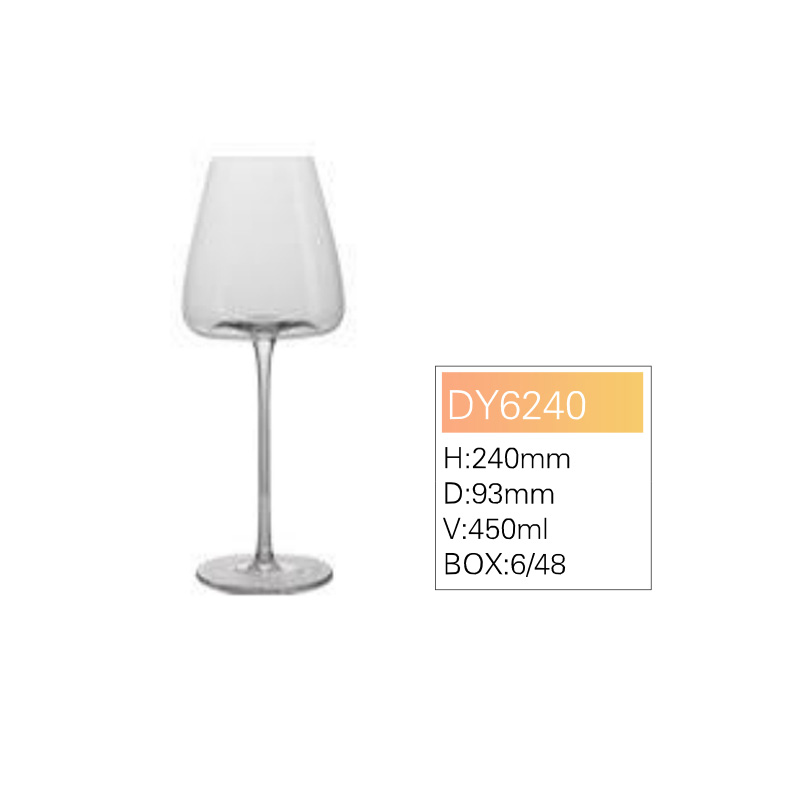 The Origin and Evolution of Chinese Wine Glass Craftsmanship
 Avoiding the Red Ocean of Homogeneous Products
 Handmade vs. Machine-Made Glassware: Which One Should You Choose?
 The Unassuming Brilliance of the Glass Cup


