The Premiumization Wave
Driven by a growing middle class with higher disposable incomes and refined tastes, domestic demand is shifting from basic utility to premium experiences. Chinese consumers now seek glassware that enhances their lifestyle—whether it's lead-free crystal for fine wine, double-walled glasses for specialty coffee, or elegantly designed decanters for craft spirits. This has forced manufacturers to move up the value chain, investing in superior materials (like high-purity silica), advanced craftsmanship, and sophisticated branding that speaks to quality and aesthetics.
2. Smart Manufacturing & Technological Integration
The industry is embracing Industry 4.0. Automated production lines, powered by AI and IoT sensors, are becoming the norm in leading factories. This ensures remarkable consistency, reduces defects, and allows for more complex designs. Beyond production, technology integrates into the product itself. We see the emergence of smart glassware with embedded temperature sensors or interactive elements, catering to tech-savvy consumers and health-conscious users.
3. The Green Imperative
Sustainability is no longer a buzzword but a core operational and marketing strategy. Strict environmental regulations are pushing factories to adopt cleaner energy sources like natural gas or electric furnaces, significantly reducing their carbon footprint. The circular economy model is gaining traction, with increased use of recycled glass (cullet) in production. Brands are actively marketing their eco-credentials, highlighting recyclability and non-toxic materials to appeal to environmentally conscious buyers globally and at home.
4. Design as a Differentiator
Gone are the days of purely copying Western designs. A new generation of Chinese designers is blending international trends with subtle cultural motifs—drawing inspiration from traditional porcelain shapes, Chinese landscapes, or calligraphy. This "China-chic" design philosophy resonates powerfully with young domestic consumers and offers a unique proposition in the export market. Independent designer brands and collaborations with artists are also rising, creating high-margin, narrative-driven products.
5. The E-commerce & Direct-to-Consumer (DTC) Revolution
- E-commerce platforms like Tmall, JD.com, and Douyin (TikTok) have transformed market access. Brands can now launch quickly, test products, and build direct relationships with consumers through live-streaming commerce. This DTC model provides invaluable data on consumer preferences, enabling rapid iteration and personalized marketing. For exporters, cross-border e-commerce allows small-to-medium enterprises to reach global niche markets without traditional middlemen.

6. Supply Chain Resilience and
Global IntegrationWhile China remains the world's glassware factory, recent global disruptions have prompted a focus on supply chain robustness. Companies are diversifying raw material sources and optimizing logistics. Furthermore, Chinese giants are not just exporting; they are going global through strategic acquisitions of foreign brands and establishing overseas design centers, blending Chinese efficiency with global design sensibilities.
The Bottom Line
The Chinese glassware industry is transitioning from a volume-driven powerhouse to a quality and innovation-led sector. The future belongs to those who can master the blend of advanced manufacturing, distinctive design, environmental responsibility, and digital agility. For global retailers and consumers, this evolution means access to a wider range of sophisticated, high-quality glassware. For the industry itself, it's a journey from being the world's workshop to becoming one of its leading innovators and trendsetters.
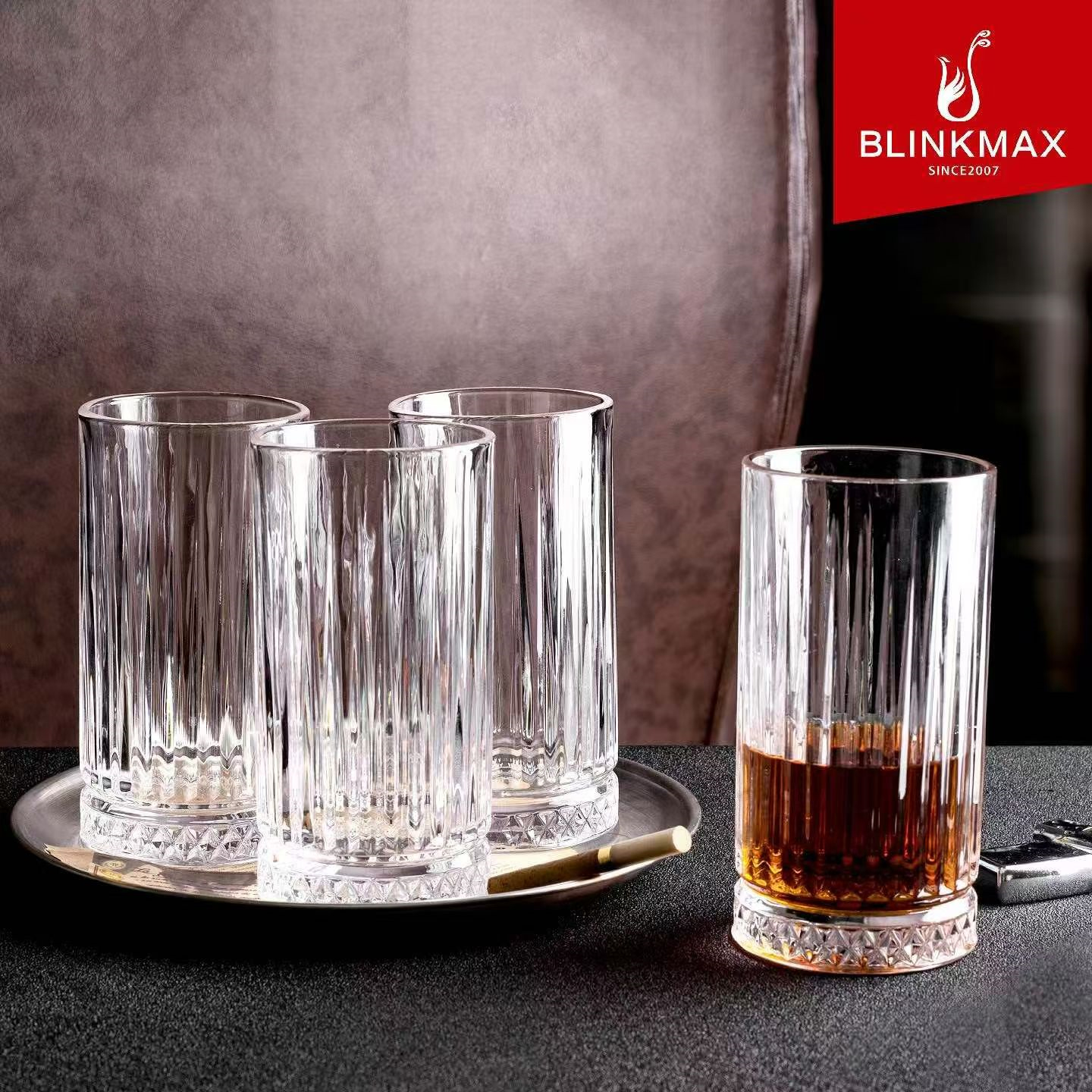
What's your take? Have you noticed a change in the design or quality of glassware from China recently? Share your thoughts in the comments!


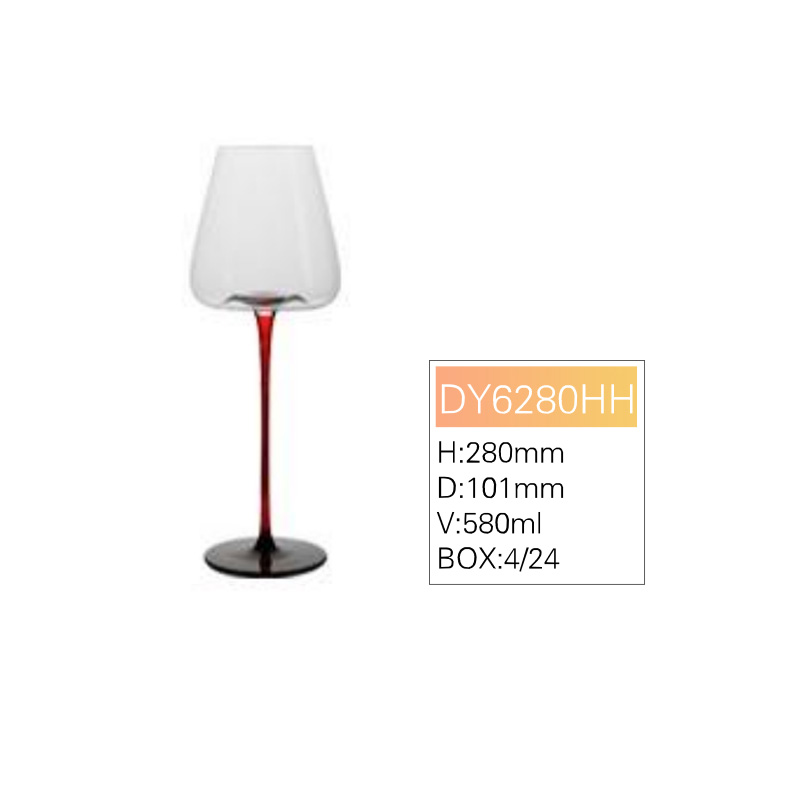 Beyond the Grape: The Delicate Art of Chinese Stemware Craftsmanship
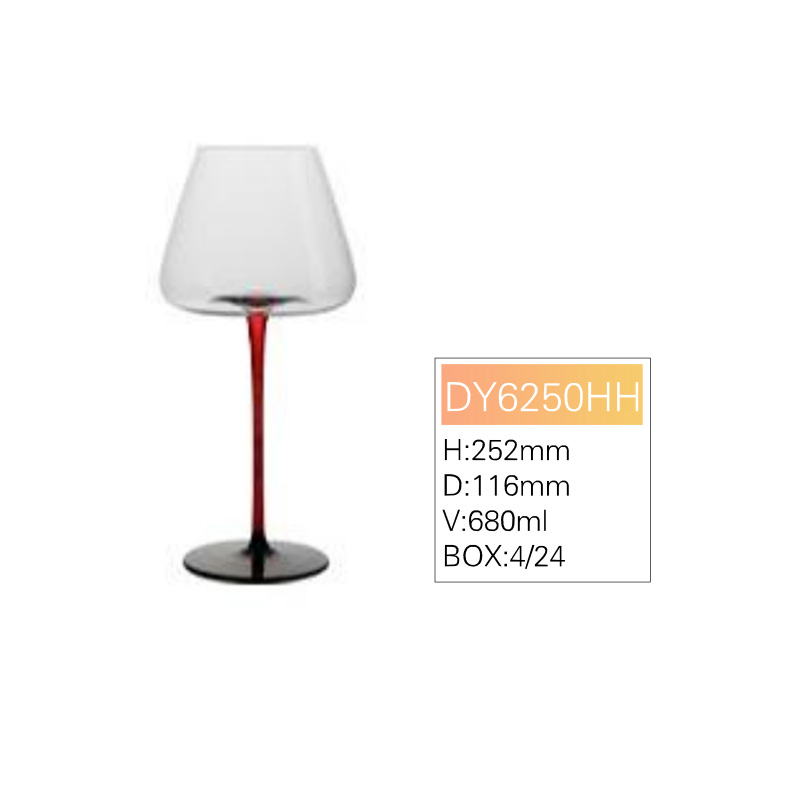 The Art of Color in China‘s Glass Cup Industry
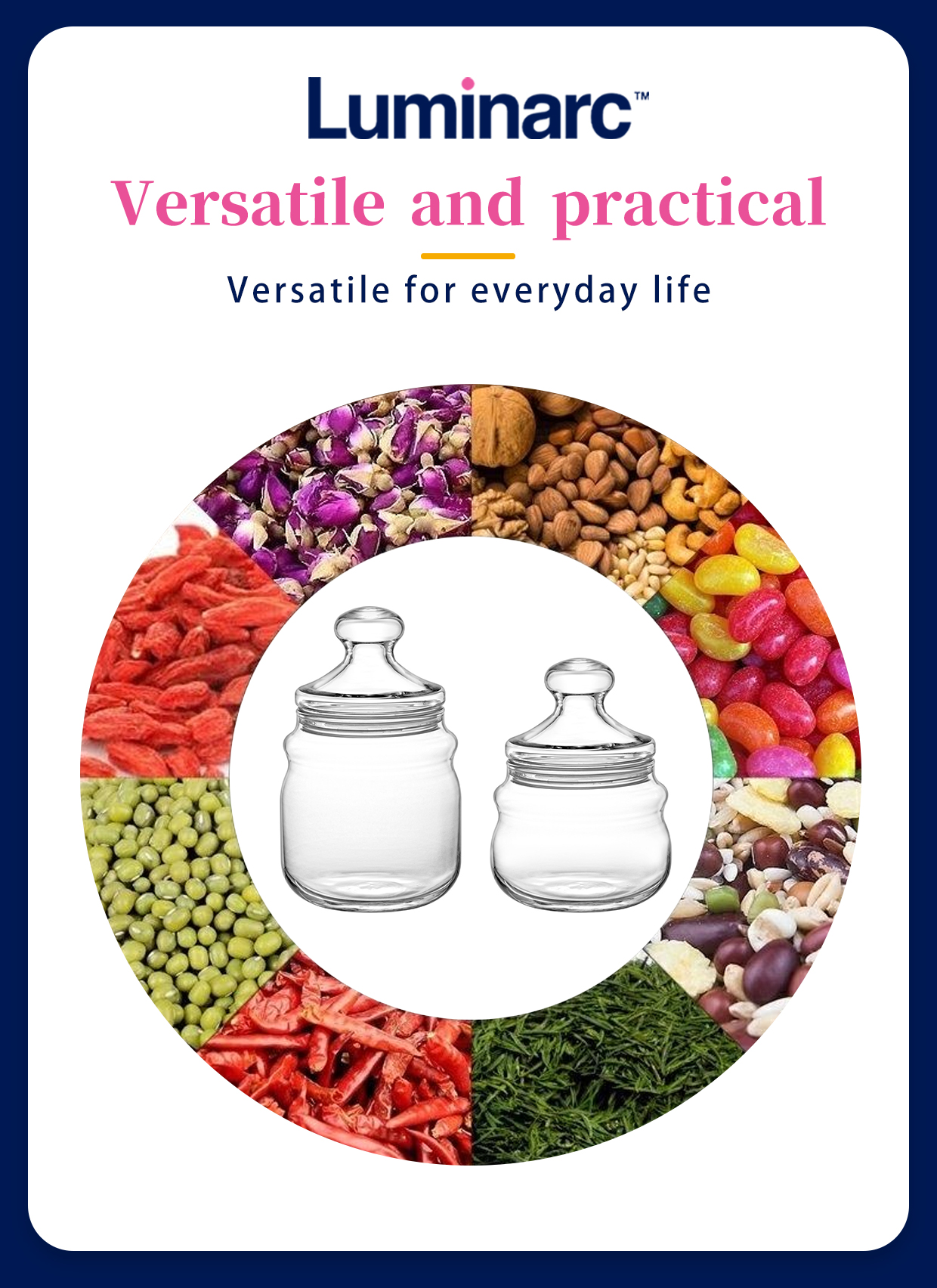 The Art of Clarity: A Deep Dive into the Craftsmanship of Glassware
 Raise Your Glass: A Guide to Glassware Materials and Types


