The core reasons why tulip-shaped tasting glasses make whiskey tasting easier than traditional whiskey glasses
1、Narrowed Rim + Rounded Bowl: Efficiently Concentrates Aroma & Enhances Flavor Perception
1)Tulip-shaped Design: Features a slightly wide bowl (accommodating sufficient liquor volume) and an inwardly narrowed rim (resembling a "tulip petal"), forming an "aroma chamber" — Volatile aromatic molecules in whiskey (such as fruity, vanilla, and smoky notes) fully evaporate in the bowl, then are concentrated and directed toward the nasal cavity by the narrowed rim, preventing aroma from dissipating.
2)Shortcoming of Traditional Whiskey Glasses: Mostly wide-mouth designed (e.g., vintage rocks glasses, brandy snifters), causing aroma to dissipate quickly. Especially for low-alcohol or subtle-flavor whiskeys, it’s hard to capture the sense of layering.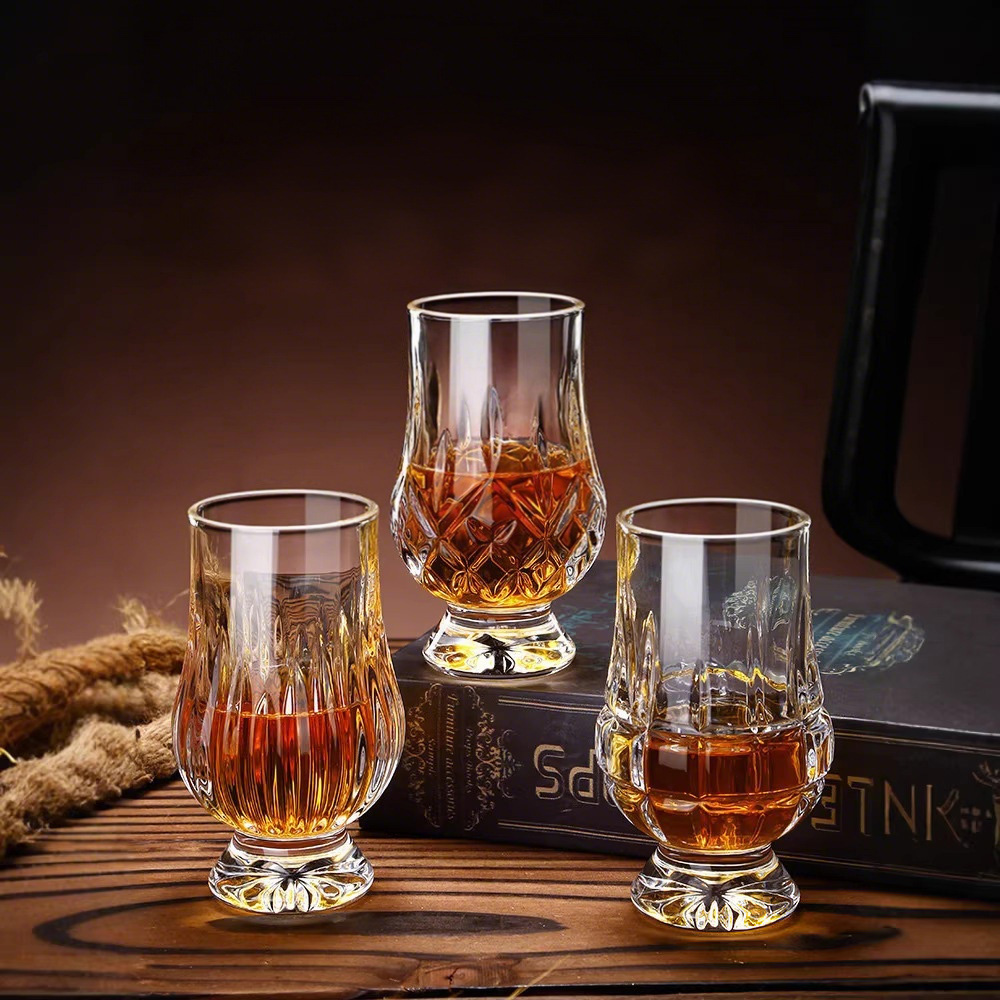 2、Glass Height + Capacity Matching: Promotes contact between the liquid and air, accelerating flavor release.
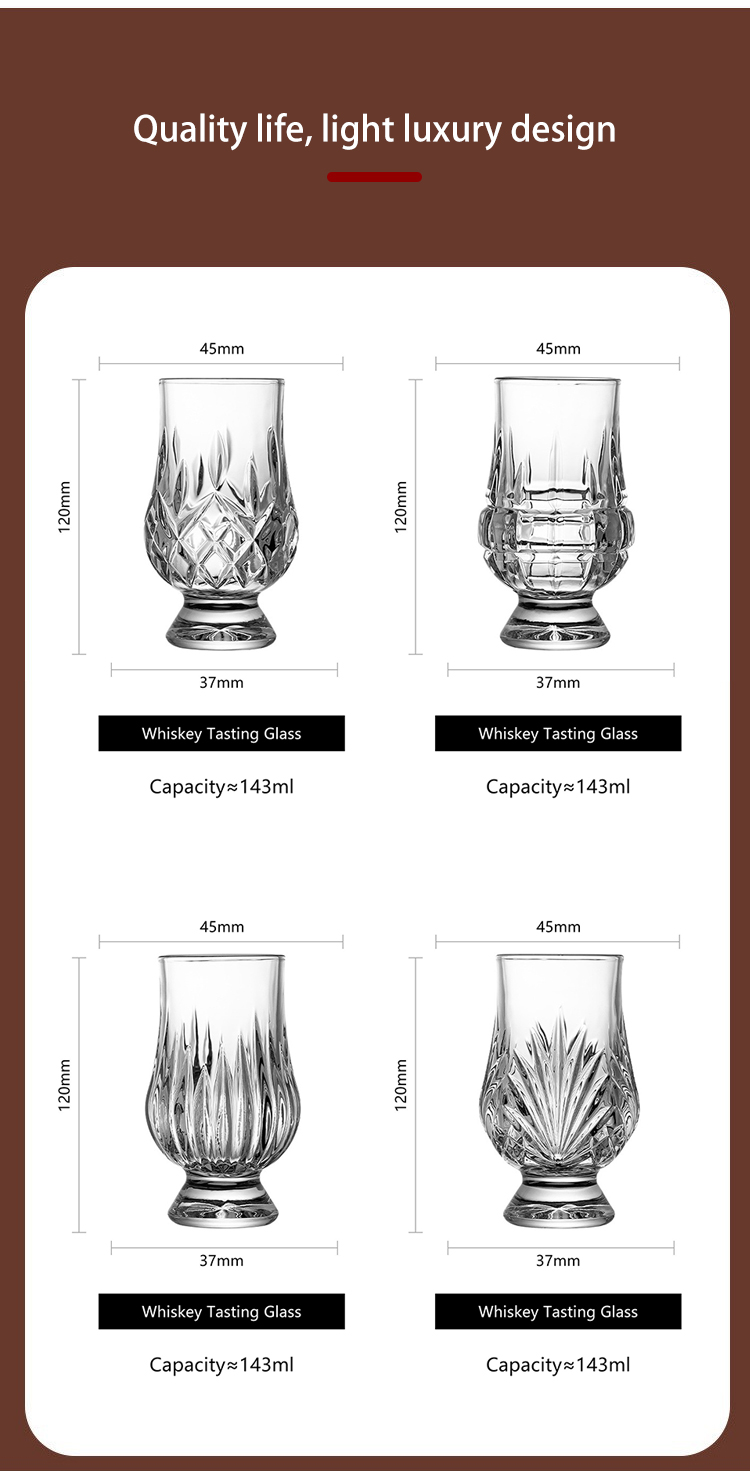
1)Tulip-shaped design: The glass has a moderate height (usually 15-18cm), with a bowl capacity of approximately 200-300ml. When filled with about 1/3 of the liquid, the contact area between the liquid and air is just right – neither too little contact resulting in insufficient flavor release, nor too much contact leading to an overly strong alcoholic taste (masking delicate flavors). When swirling the glass, the liquid forms even "legs," further accelerating the release of aromas.
2)Shortcomings of traditional
whiskey glasses: Either the capacity is too large (such as large-capacity rocks glasses), resulting in insufficient contact with air after the liquid is distributed; or the glass is too short (such as short, wide brandy glasses), making it easy for the liquid to spill when swirling, and allowing alcoholic vapors to directly overwhelm the nose.
 3、The curved rim of the glass conforms to the shape of the lips: guiding the liquid to precisely contact the taste buds, enhancing flavor balance
.
1)Tulip-shaped design: The rim of the
tulip glass is thin and slightly curved, guiding the liquid to first contact the tip and sides of the tongue (the areas with the highest concentration of taste buds), rather than directly impacting the back of the tongue (the area sensitive to bitterness). This allows the sweetness and fruitiness of the whiskey to be perceived first, followed by the astringency of tannins and the richness of smoky flavors, resulting in clearer flavor layers and a smoother taste.
2)Shortcomings of traditional whiskey glasses: Most have straight or wide rims, leading to uneven distribution of the liquid upon entry into the mouth, easily stimulating the back of the tongue, resulting in prominent bitterness and masking sweetness and aroma.
 4、Glass Stem Design + Glass Body Material: Maintains temperature and avoids flavor interference.
Tulip-shaped tasting glass: Typically features a tall stem, preventing the hand from directly touching the bowl and avoiding rapid heating of the liquid by body temperature (the optimal tasting temperature for whiskey is 15-18℃; excessive heat accelerates alcohol evaporation, masking delicate flavors). The glass body is often made of high-borosilicate glass or crystal, which is transparent and free of impurities, allowing for clear observation of the liquid's color. The thin-walled design also enhances the subtlety of the taste.
Traditional whiskey glass: Some have a short, wide design without a stem (such as a rocks glass), making it easy to transfer body heat to the liquid, causing the temperature to rise. The material may also be thicker and heavier, affecting the sensory experience and visual perception.
Summary (Core messaging for customer inquiries/product promotion):The core design principle of the tulip-shaped tasting glass is "precisely matching the flavor release and perception logic of whiskey"—by narrowing the rim to concentrate aromas, optimizing the capacity to promote oxidation, conforming to the lip shape to guide the taste, and using a tall stem to stabilize the temperature. This addresses the shortcomings of traditional whiskey glasses, such as "dispersed aromas, muddled flavors, and harsh taste," allowing both professional tasters and ordinary consumers to more clearly perceive the layers and details of the whiskey.


 Beyond the Grape: The Delicate Art of Chinese Stemware Craftsmanship
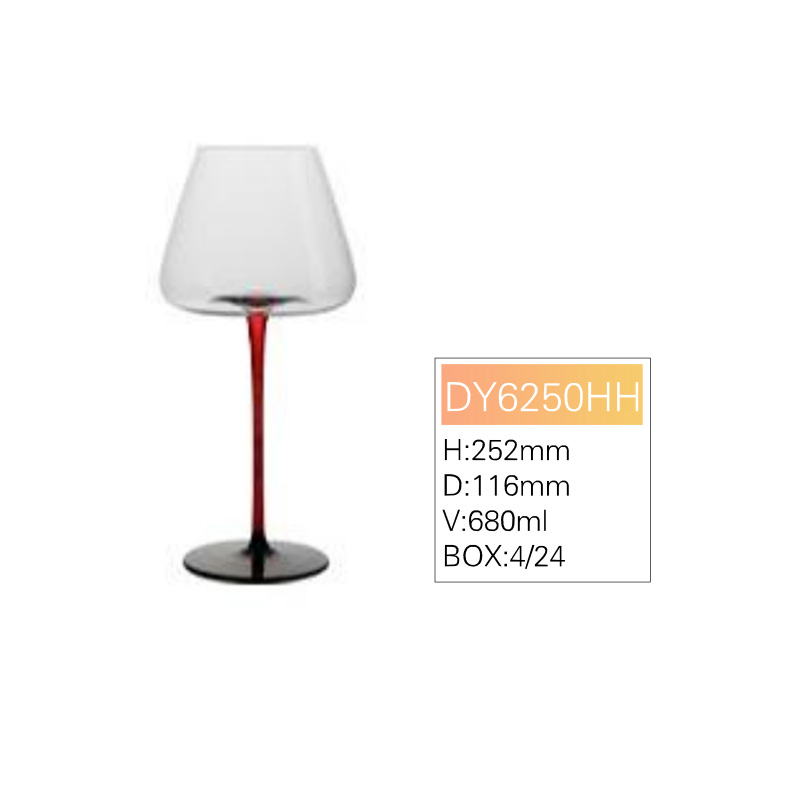 The Art of Color in China‘s Glass Cup Industry
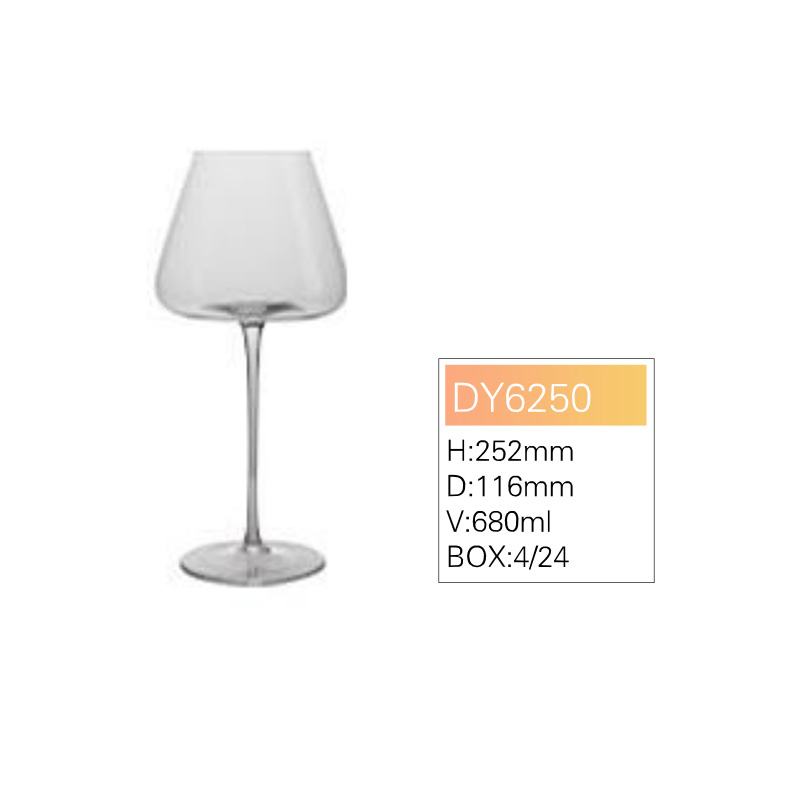
 The Art of Clarity: A Deep Dive into the Craftsmanship of Glassware
 Raise Your Glass: A Guide to Glassware Materials and Types


