So, what does the road ahead look like for China’s glass cup and glassware sector?
1. From "Made in China" to "Designed and Engineered in China"
The era of competing solely on price is fading. Chinese manufacturers are investing heavily in R&D, design, and technology. We’re seeing a surge in:
· Smart Manufacturing: Automated production lines and AI-powered quality control are increasing precision, consistency, and efficiency, while reducing waste.
· Advanced Materials: Development of stronger, lighter, more heat-resistant (like borosilicate glass), and even antimicrobial glass is expanding the functional possibilities of glassware.
· Innovative Designs: Collaborations with international designers and a new generation of Chinese designers are producing stylish, ergonomic, and trend-setting products that command higher value in the global market.
2. The Green Revolution: Sustainability as a Core Value
The global shift towards eco-friendliness is a powerful driver. Glass, being 100% recyclable, is a natural winner. The Chinese industry is enhancing its green credentials by:
· Optimizing Furnaces: Transitioning to energy-efficient melting furnaces that lower carbon emissions.
· Embracing Circular Economy: Increasing the use of recycled cullet (crushed glass) in production. Some leading factories now run on over 90% recycled material.
· Eco-Conscious Branding: Brands are increasingly marketing their products' sustainability, appealing to environmentally aware consumers worldwide.
3. The Domestic Boom: A Rising Middle Class with Sophisticated Tastes
China’s own market is becoming a major growth engine. As disposable incomes rise and lifestyle trends evolve (think home brewing, coffee culture, and "home restaurant" dining), demand for premium, specialized glassware is exploding. From craft beer mugs and specialty coffee tumblers to stylish water bottles and designer decanters, domestic brands are quickly capturing this burgeoning market with products that rival international premium labels.
4. E-commerce and Direct-to-Consumer (D2C) Channels
The digital revolution has reshaped the game. Chinese glassware brands are leveraging e-commerce platforms (like Tmall, JD.com, and cross-border sites such as Amazon) to reach global consumers directly. This allows for:
· Faster Market Response: Quickly adapting to viral trends and consumer feedback.
· Brand Building: Telling their own stories of craftsmanship and quality, bypassing traditional middlemen.
· Niche Marketing: Successfully targeting specific consumer groups, from mixology enthusiasts to minimalist home decor lovers.
5. Challenges to Navigate
The path isn't without its hurdles. Rising labor and energy costs, stringent environmental regulations, and intense competition from Southeast Asia in low-end segments are real pressures. Furthermore, maintaining consistent, flawless quality for high-end markets remains a critical focus.
The Crystal Ball Forecast: A Multifaceted Future
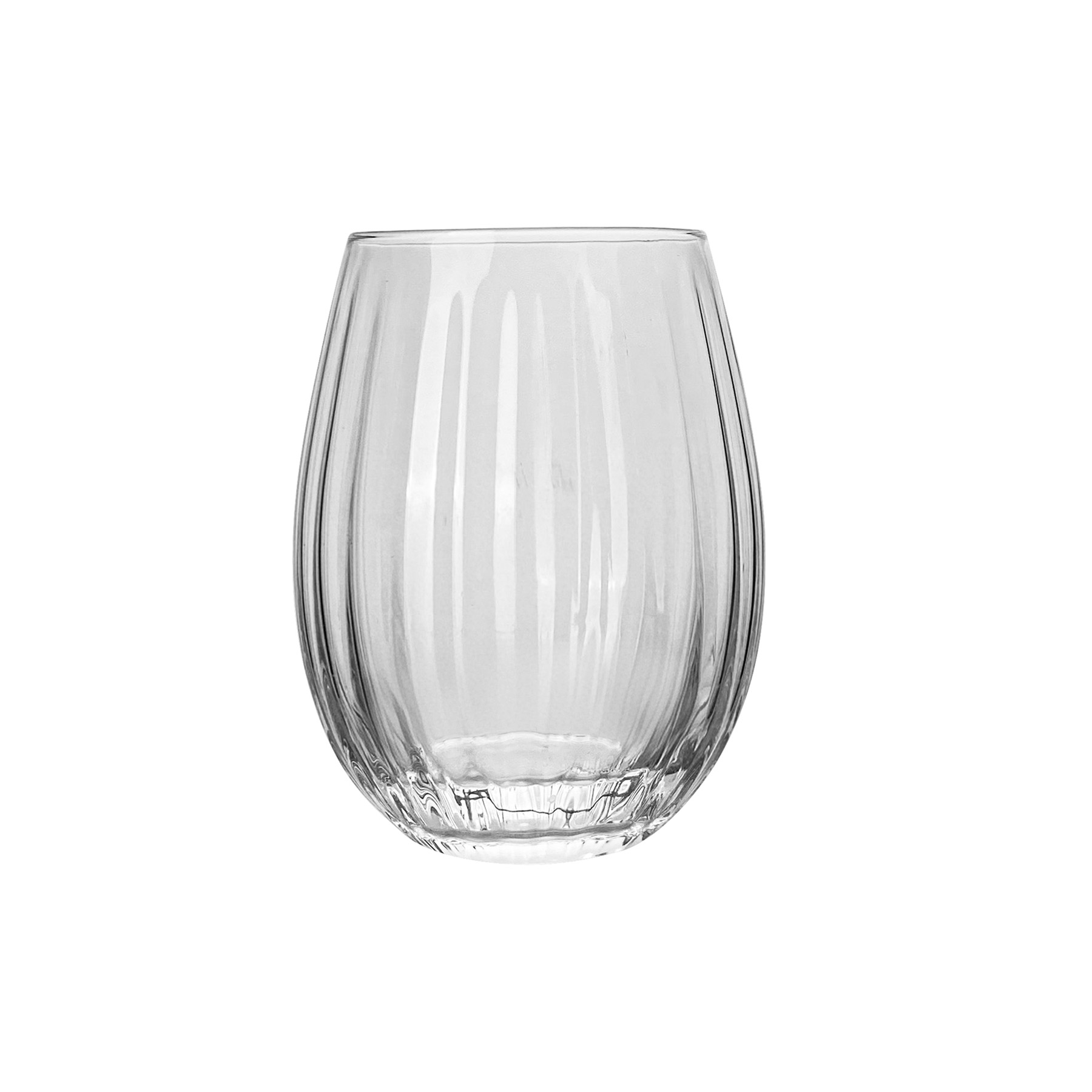
The future of China’s glassware
industry is multidimensional. We will likely see a clearer stratification:
· High-Tech & High-Value Segment: Companies focusing on innovation, premium materials, and design will thrive in the global luxury and specialty markets.
· Sustainable Champion Segment: Factories that master green manufacturing will become preferred partners for global brands with strong ESG (Environmental, Social, and Governance) commitments.
· Agile & Digital-Native Brands: Direct-to-consumer brands that understand digital marketing and niche trends will capture significant market share.
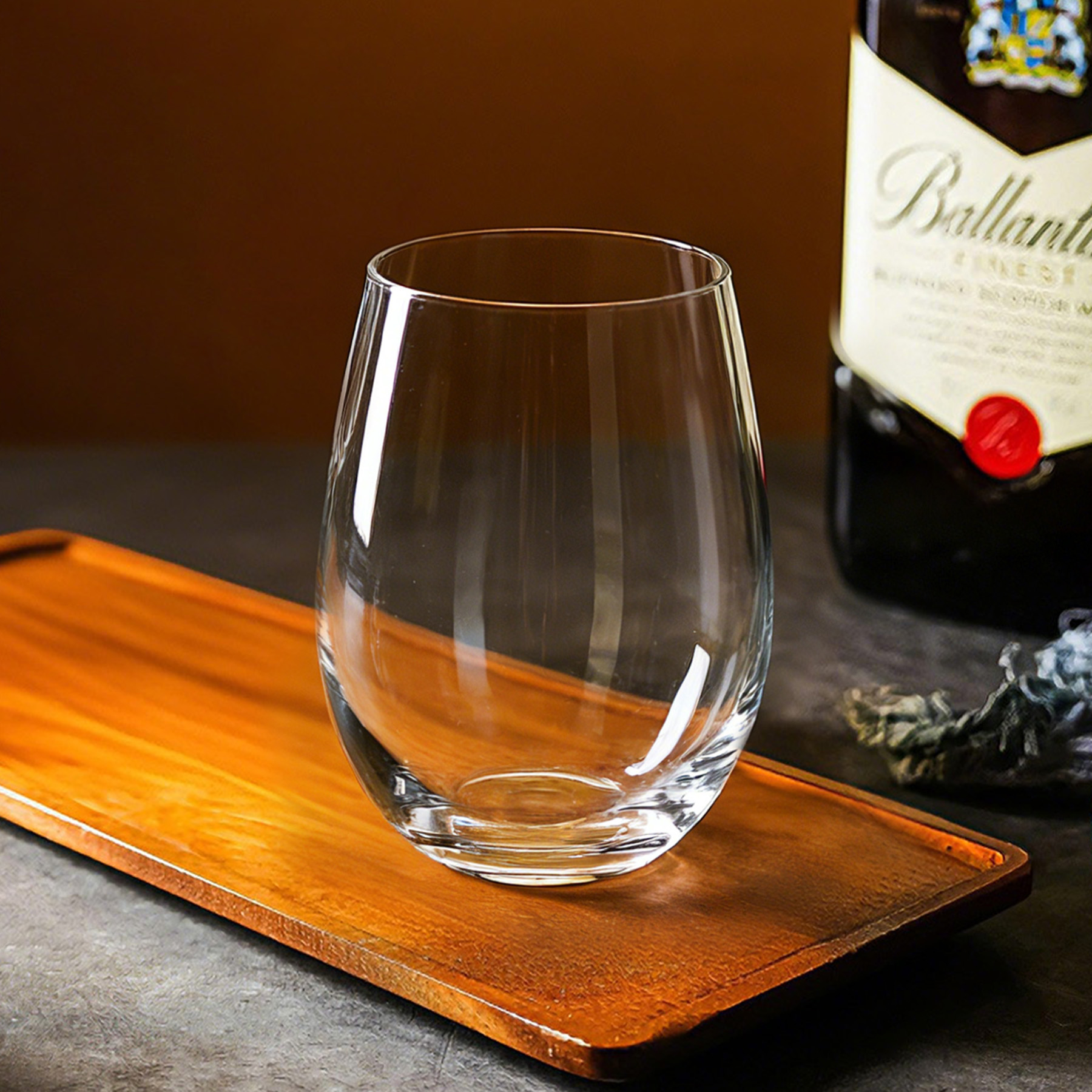
In Conclusion
China’s glassware industry is undergoing a profound transformation. It is moving beyond its foundational strengths in scale and supply chain to build new pillars of innovation, sustainability, design, and brand power. The glass of the future from China won’t just be a container; it will be a fusion of art, science, and environmental responsibility. The next time you raise a glass, take a closer look—its clarity might just reflect the bright and evolving future of the industry that created it.


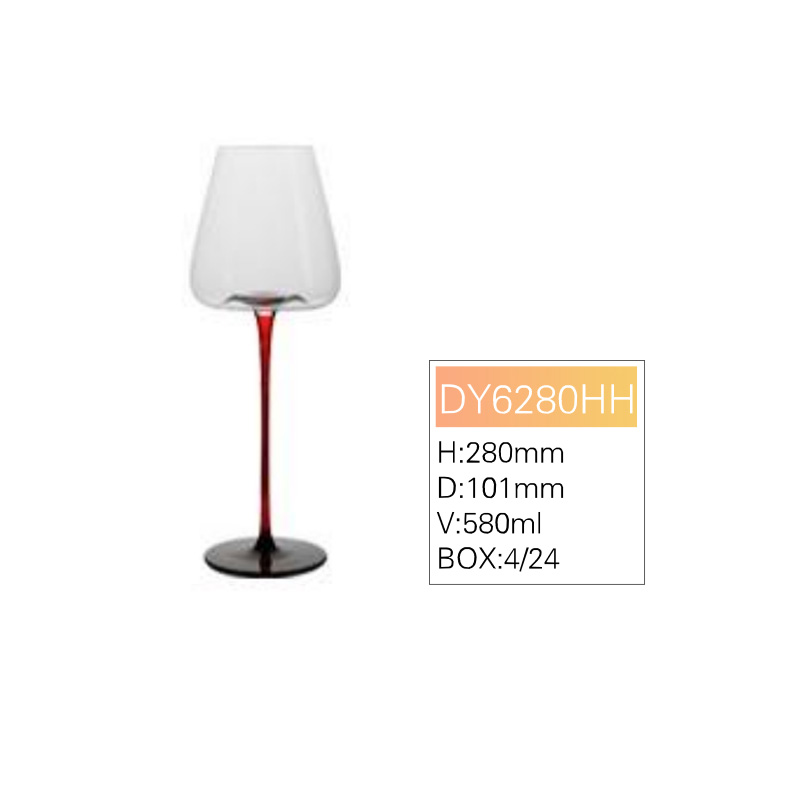 Beyond the Grape: The Delicate Art of Chinese Stemware Craftsmanship
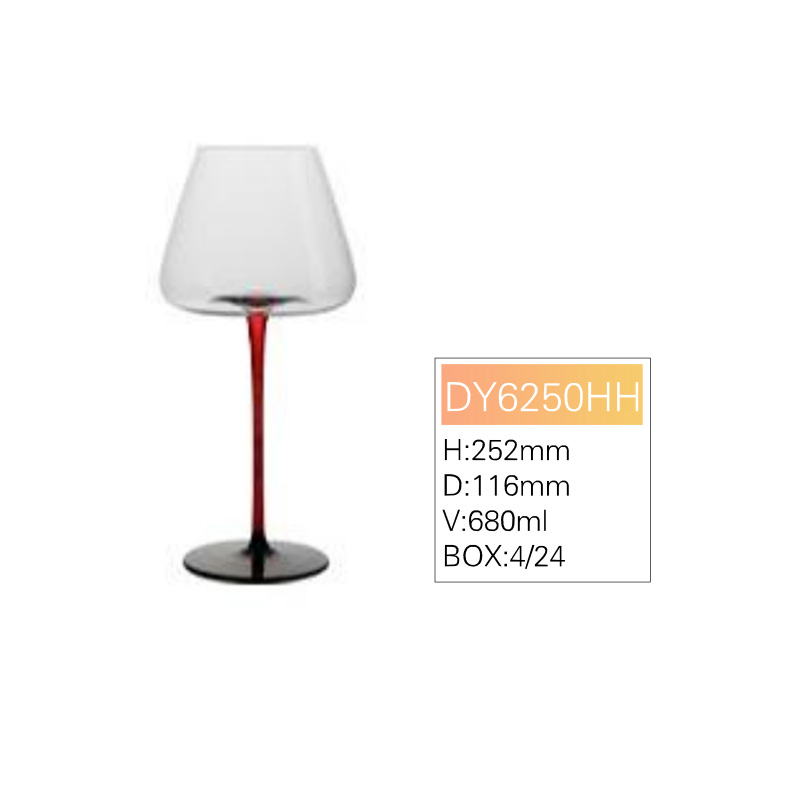 The Art of Color in China‘s Glass Cup Industry
 The Art of Clarity: A Deep Dive into the Craftsmanship of Glassware
 Raise Your Glass: A Guide to Glassware Materials and Types


