Sustainability in Form and Material
The eco-conscious consumer is driving significant change. Designers are moving beyond mere recycling to innovative, circular design principles. We see this in:
· Upcycled Glass: Glasses made from post-consumer recycled (PCR) glass are becoming mainstream, often featuring subtle, elegant textures or colors that speak to their origin story.
· Lightweighting: Engineers are creating remarkably durable glasses with less material. This reduces carbon footprint from shipping and resource use without compromising feel.
· End-of-Life Planning: Brands are increasingly considering repurposing or easy recycling in their designs, moving towards a true cradle-to-cradle approach.
2. Function Meets Multi-Function (The "Hybrid" Glass)
The line between different types of drinkware is blurring. Design is driven by versatility:
· The All-Day Companion: Glasses are designed to transition seamlessly from morning iced coffee to afternoon water to evening craft beer. Look for robust bases, optimal volume (often 12-16 oz), and a shape that suits various beverages.
· Ergonomic Precision: From weighted bottoms that feel substantial in the hand to textured grips that prevent slipping, comfort is king. Some designs even incorporate grip zones that don't interfere with condensation, keeping hands dry.
· Integrated Technology: Think double-walled glasses that keep drinks cold for hours without a sweat ring, or designs optimized for specific cocktails, ensuring the perfect aroma and temperature.
3. Artistic Expression & Tactile Experience
In our digital world, people crave physical, sensory objects. Glassware is answering that call:
· Texture & Pattern: Frosted finishes, intricate embossing, geometric cuts, and "organic imperfections" add visual interest and a delightful feel. Light plays through these designs, creating dynamic shadows and highlights.
· Color as Accent: While clarity remains popular, there's a rise in sophisticated colored glass—soft amber, muted blues, or smoky grays. Often, color is used as an accent on the base or rim, leaving the main body clear to showcase the drink.
· Artisanal Revival: Hand-blown glasses, with their unique bubbles and variations, are highly sought-after. They tell a story of craftsmanship and reject mass-produced uniformity.
4. The "Smart" and Health-Conscious Niche
A smaller but growing segment focuses on enhancement:
· Hydration Tracking: Glasses with marked measurements or connected smart scales/ lids that sync with apps to track water intake.
- · Material Science: Glasses with non-porous, tasteless coatings that are easier to clean or claim to preserve carbonation longer. Some incorporate minerals or designs aimed at improving the taste of water.
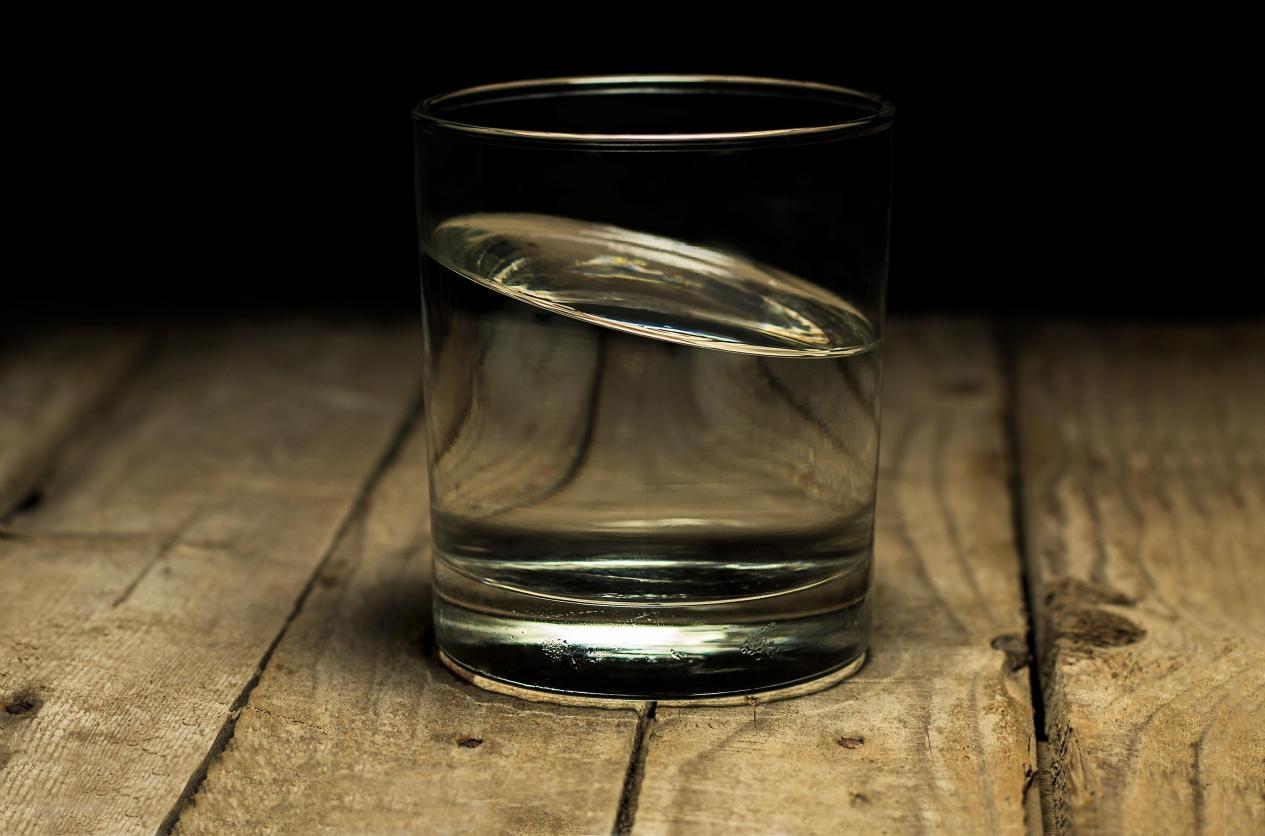
5. The Aesthetics of the "Unbreakable"
Advanced materials like tritan co-polyester or tempered glass are being used to create designs that rival crystal in clarity but are shatter-resistant. This trend caters to both outdoor living (poolside, camping) and modern, casual indoor dining where practicality for families is key.
The Bottom Line:
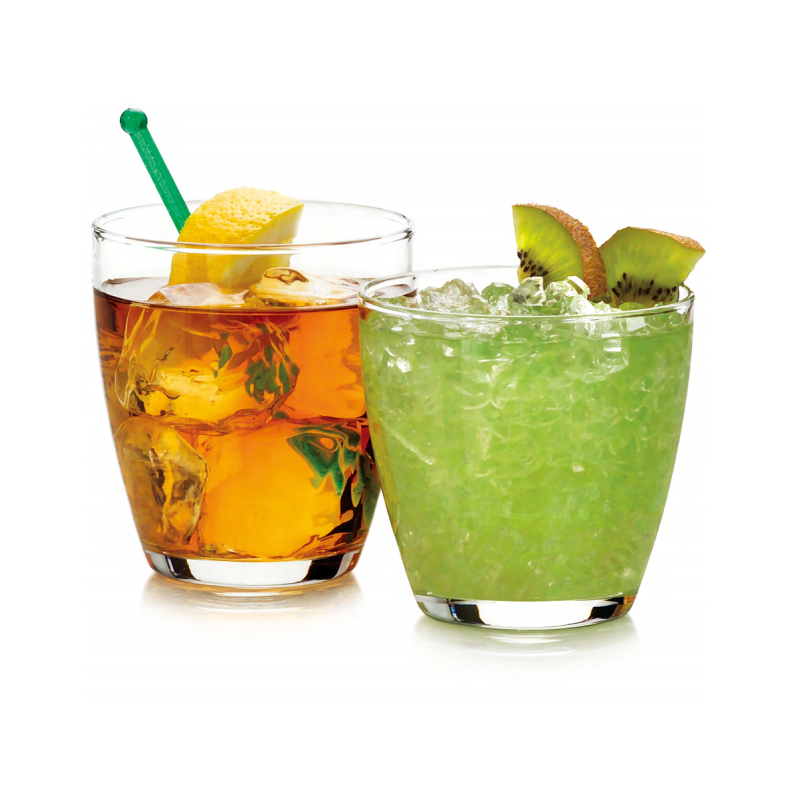
Today's glass is a multifaceted object. It must be responsible (sustainable), adaptive (multi-functional), sensorial (tactile and beautiful), and considered (suited to a specific lifestyle). The trend is moving away from owning a single set of glasses towards curating a collection for different purposes and moments—from a hand-blown wine glass that elevates dinner to a rugged, lightweight tumbler for adventure.
The future of glassware isn't just about what we drink from; it's about what we value. And right now, we value design that is thoughtful, experiential, and kind to the planet—all contained within a perfectly crafted vessel.
What do you look for in a glass? Is it feel, function, or form? Share your thoughts below!


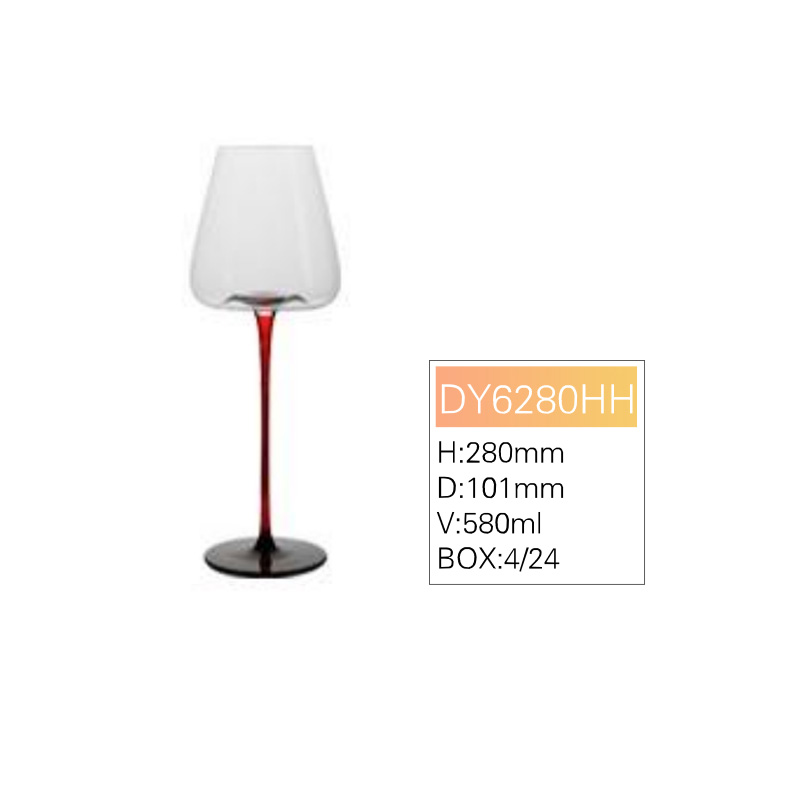 Beyond the Grape: The Delicate Art of Chinese Stemware Craftsmanship
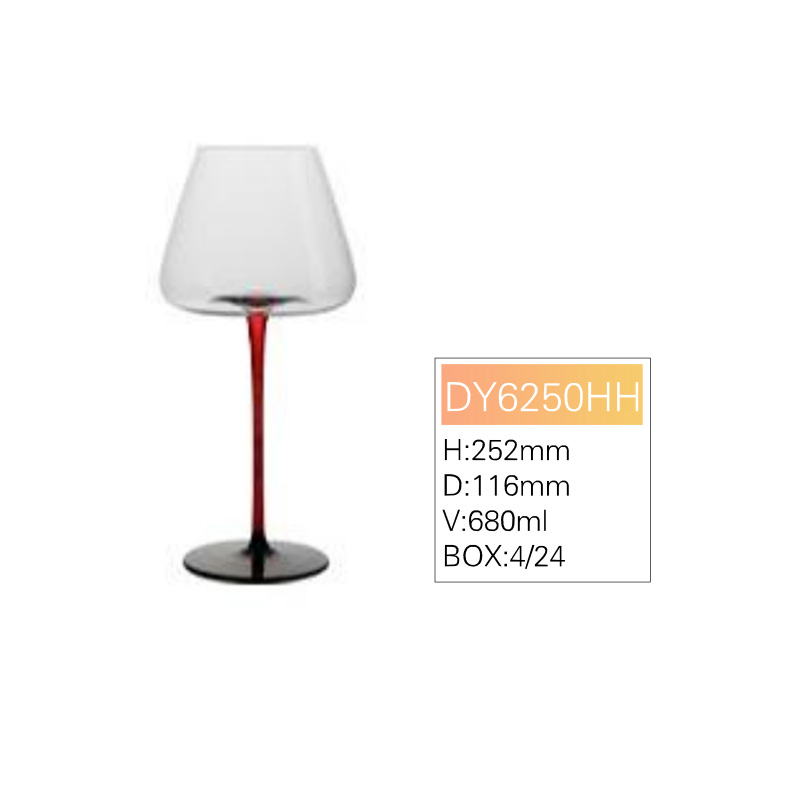 The Art of Color in China‘s Glass Cup Industry
 The Art of Clarity: A Deep Dive into the Craftsmanship of Glassware
 Raise Your Glass: A Guide to Glassware Materials and Types


