The Premiumization of Perception
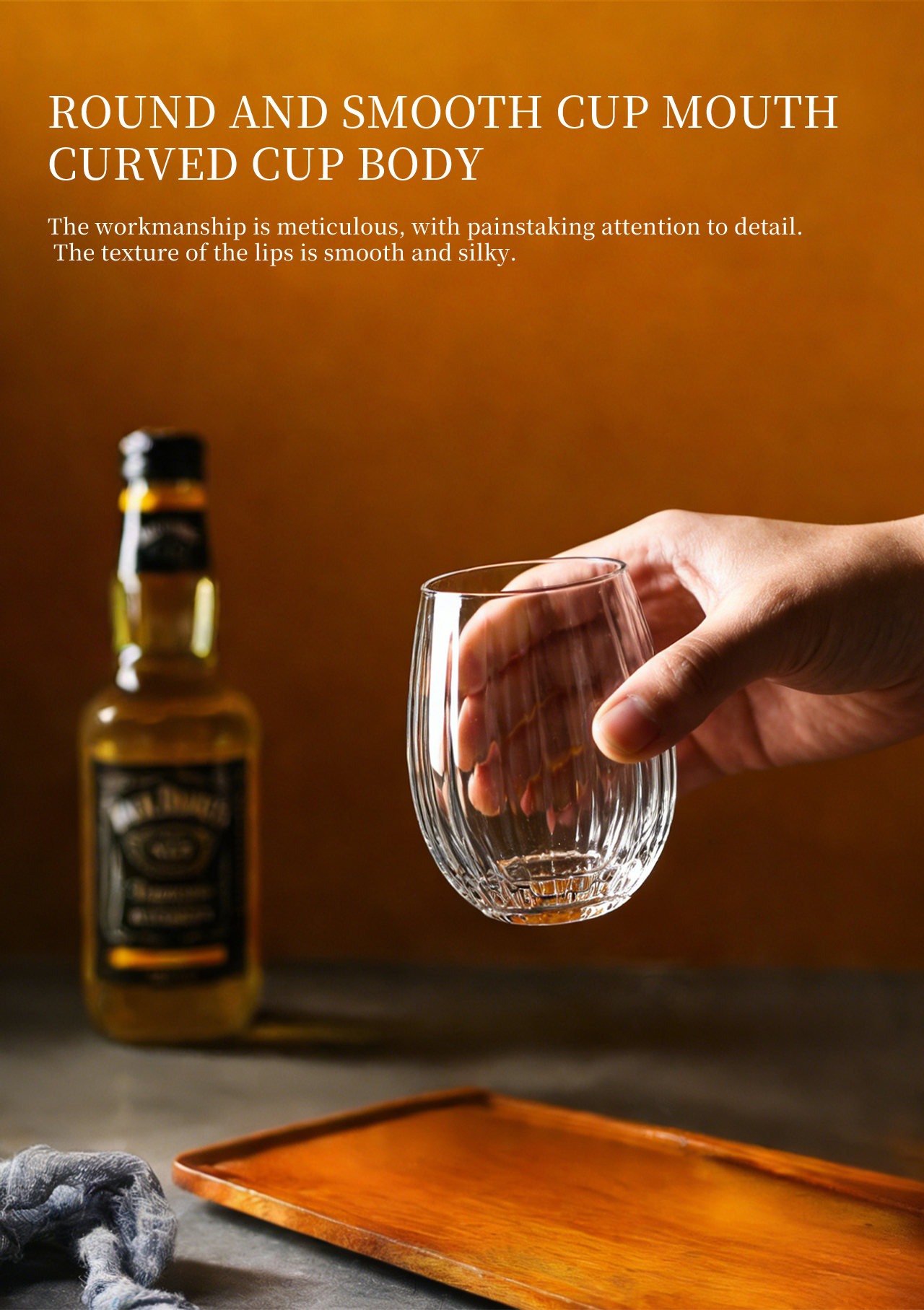
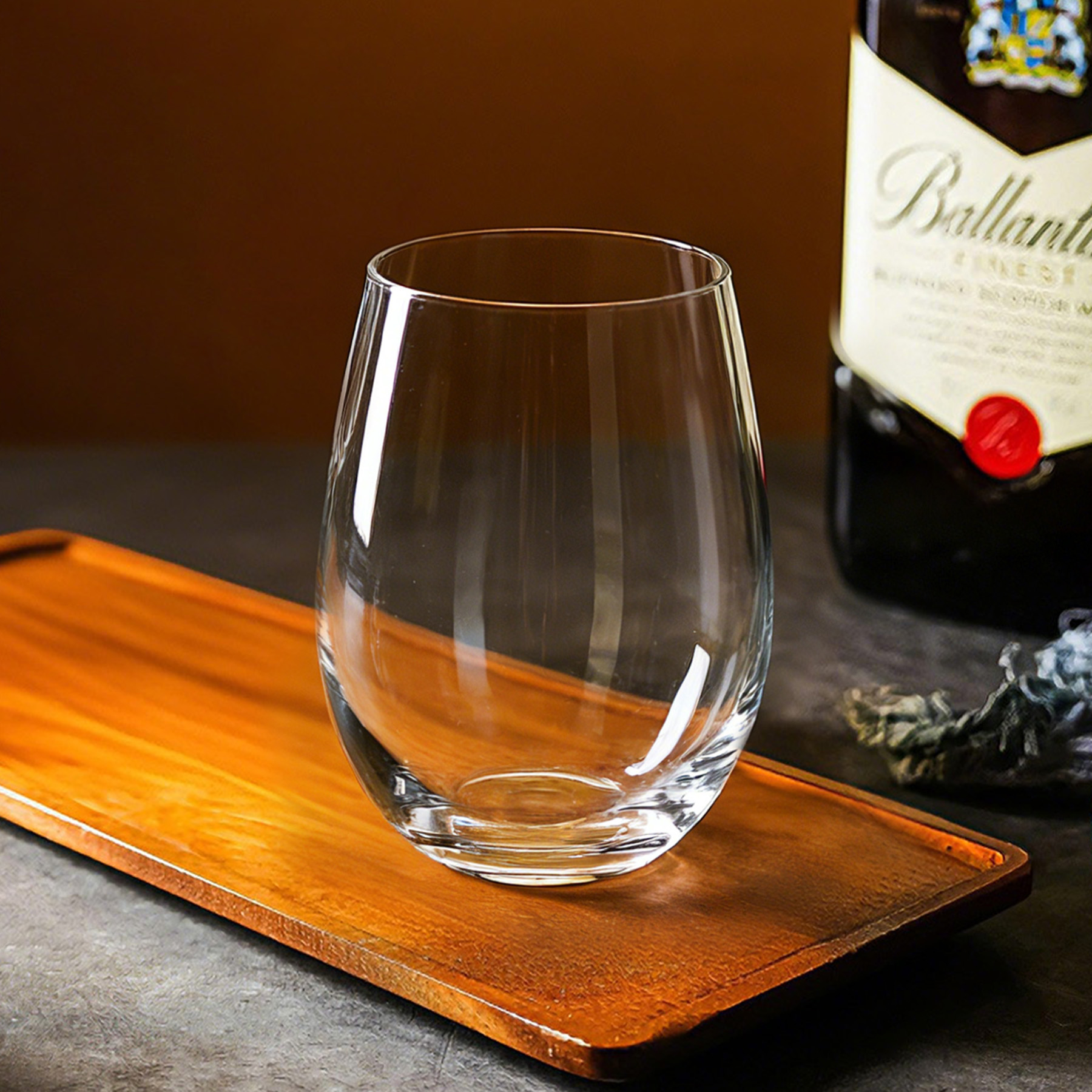
The most dominant trend is the clear move towards premium, design-conscious glassware. As dining out becomes more of an experiential luxury—even in mid-range establishments—every touchpoint matters. Restaurants are investing in thinner rims, elegant stems (for wine and even certain teas), and unique shapes that enhance the visual appeal of both beverages and the table setting. This isn't just for high-end Western-style venues; upscale Chinese restaurants serving craft tea, signature
cocktails, or premium baijiu are adopting delicate, often branded, glassware to elevate the entire meal's perceived value.
2. Durability Meets Elegance: The Rise of Lithium Glass
The number one practical concern for any restaurant is breakage. The answer? Lithium glassware. This material has become a game-changer. It offers the crystal-clear, lightweight appearance of fine glass but with significantly higher impact and thermal shock resistance. For busy restaurants where dishes are washed at high speeds and handled frequently, lithium glass provides the perfect balance of elegance and economy, reducing replacement costs without sacrificing style.
3. Customization and Brand Storytelling
Glassware is becoming a canvas for brand identity. We see a growing demand for custom logo engraving or etching. A subtle logo on the base or rim turns a simple glass into a branded asset. It reinforces brand recognition, looks professional, and enhances the Instagramability of the drink—a crucial marketing point in the social media age. For chain restaurants, uniform custom glassware strengthens brand consistency across locations.
4. The Functional Specialization Wave
The "one glass fits all" approach is fading. There's a trend towards purpose-specific glassware tailored to different beverage categories:
· For Tea: Double-walled glass teapots and cups that showcase the color of the tea leaves while keeping hands cool.
· For Baijiu & Spirits: Smaller, aroma-concentrating glasses (similar to snifters) for premium Chinese spirits, enhancing the tasting experience.
· For Craft Beer & Cocktails: Different shapes for IPAs, stouts, or signature mixed drinks.
· For Non-Alcoholic Beverages: Attractive juice carafes and mason jar-style glasses for trendy drinks.
This specialization signals a restaurant's expertise and care for its offerings.
5. Sustainability: A Growing (But Complex) Consideration
While not as forefront as in some Western markets, sustainability is entering the conversation. Some eco-conscious cafes and restaurants are opting for recycled glass options or more durable glassware to reduce waste. The focus, however, often leans more towards longevity (buying well-made glass that lasts) rather than just material sourcing. Reusability itself, as opposed to single-use plastic, is a key part of the sustainability pitch for many.
6. The Online Procurement Boom
- The sourcing process itself has transformed. While traditional wholesale markets remain, a massive shift has occurred towards B2B e-commerce platforms like 1688.com and industry-specific marketplaces. Restaurant owners and managers can now easily compare thousands of suppliers, read reviews, see detailed specifications, and access MOQ (Minimum Order Quantity) information transparently. This has increased competition among suppliers, driven prices down, and given smaller restaurants access to a much wider variety of stylish glassware.
The Bottom Line:
The trend in China's restaurant glassware procurement is fundamentally about enhancing the customer experience at the micro-level. It’s a move from viewing glassware as a cost center to seeing it as a strategic asset for branding, premiumization, and functional excellence. The modern Chinese diner has a keen eye, and the glass in their hand silently communicates the restaurant's standards, attention to detail, and respect for the beverage being served.
For suppliers, the message is clear: offer durability, design, and customization. For restaurateurs, the message is equally clear: never underestimate the power of what you put your drinks in. The future of dining in China is being shaped, one carefully chosen glass at a time.
What do you think? Have you noticed a change in the glassware at your favorite local spots? Share your observations!


 Beyond the Grape: The Delicate Art of Chinese Stemware Craftsmanship
 The Art of Color in China‘s Glass Cup Industry
 The Art of Clarity: A Deep Dive into the Craftsmanship of Glassware
 Raise Your Glass: A Guide to Glassware Materials and Types


