


Decanting wine is a crucial procedure for enhancing the flavor and appearance of a bottle of good wine.
Moving wine from its bottle into a decanter and letting it air and separate from sediment is a straightforward yet efficient method.
Decanting can greatly improve the wine-drinking experience for sommeliers, restaurant owners, and wine fans.
Decanting has multiple uses. First of all, it aids in aerating the wine, which can reveal nuanced flavors and aromas that may be subdued in a recently opened bottle and soften tannins.
For older wines, where sediment may have accumulated over time, this procedure is crucial. In order to guarantee a smooth and pleasurable drinking experience, this sediment must be removed.
Presentations for restaurant owners and sommeliers also involve decanting. A well-decanted wine gives diners the ideal wine pairing experience by enhancing the flavor and adding a touch of refinement to the service.
Anyone working in the wine industry needs to become proficient in the art of decanting as demand for premium wines rises.
Wine decanting involves transferring wine from its original bottle into a separate container called a decanter. This technique enhances the wine’s flavors and removes sediment.
Enhancing the wine's flavor and aroma is the main goal of decanting. Oxidation, a process that occurs when wine is exposed to air, can reveal nuanced tastes and aromas that may be muted in a sealed container and soften tannins.
This is particularly advantageous for young red wines, whose strong tannins can be softened by aeration.
Decanting is essential for older wines in order to remove sediment that may have accumulated over time and make drinking them smoother and more pleasurable.
Decanting wine improves its quality, which makes it a useful technique for both amateur and expert sommeliers.
It's a frequent misperception that all wines need to be decanted, despite the fact that this approach can greatly improve the drinking experience.
Making the most of your wine can be achieved by investigating when and why to decant. The method works well for a variety of natural wines, such as the sustainable Grüner Veltliner.
This is a summary of the wines that usually do not benefit from decanting and those that do.
Decanting is generally beneficial for young red wines, especially those with high tannin content, like Syrah and Cabernet Sauvignon. Grape skins, seeds, and stems contain substances called tannins that can give a wine a harsh, astringent flavor.
These wines can breathe by decanting, which releases their complex flavors and aromas and softens the tannins. The wine becomes more pleasant and approachable as a result of the air exposure.
Sediment that has accumulated over time is frequently found in older red wines, including Barolo and Vintage Port. In these situations, decanting is necessary to extract the wine from the sediment, which can give it a bitter and grainy flavor.
These wines' complex flavors and scents, which could be muted if left in the bottle, can also be released by decanting them.
3.White Wines with Reduction
When sulfur compounds are present, a phenomenon called reduction can cause some aged white wines to acquire a "matchstick" fragrance.
Decanting can enhance the overall profile of the wine and help dispel these undesirable scents. Older white wines that have been aged for a number of years are more likely to exhibit this.
Most young white wines, like Sauvignon Blanc or Chardonnay, do not need decanting. These wines are usually enjoyed for their fresh, crisp qualities, and decanting them might diminish their vibrant flavors and aromas.
They benefit more from being served at the correct temperature than from air exposure.
Rosé wines are typically light and refreshing and do not generally require decanting. They are best enjoyed young and chilled, and their delicate flavors and aromas are preserved without aeration.
Beaujolais, particularly Beaujolais Nouveau, is known for its fresh and fruity profile, often enjoyed young. These wines’ light and vibrant nature means they don’t benefit significantly from decanting. They are best served fresh and at a slightly chilled temperature.
Decanting is a useful technique for improving the quality of some wines, especially those with high tannin content, aged reds that have sediment, or older whites that have problems with reduction.
But not every wine needs to be decanted. Beaujolais wines, rosés, and young whites usually don't require this procedure. The greatest way to experience them is in their original, fresh form.
Decanting wine is a straightforward process that can significantly enhance the drinking experience. Here’s a step-by-step guide to ensure you get the most out of your wine:
Effective decanting depends on selecting the right decanter. Decanters are made for different uses and come in a variety of sizes and forms.
For the majority of red wines, a decanter with a thin neck and a large base works well. Maximum air exposure is made possible by this form, aiding in aeration.
To reduce sediment disturbance, older wines may benefit from a decanter with a more elegant shape and a finer neck.
While glass decanters are practical and simple to clean, crystal decanters can also lend a touch of luxury.
Prepare the wine by keeping the bottle upright for a minimum of 24 hours prior to decanting.
Because of its placement, sediment can sink to the bottom of the bottle and be more easily separated from the wine when decanting.
To prevent stirring up the sediment, make sure the bottle is not moved during this time.
Gently remove the cork and pour the wine into the decanter when you're ready to decant.
To reduce agitation, hold the bottle at a slight slant and pour slowly.
As you get closer to the bottle's bottom, where sediment is probably present, slow down.
Just before it reaches the bottle's neck, stop pouring so as not to disturb the sediment.
Once the wine is decanted, it’s ready to serve. Decanting can improve the wine’s flavors and aromas, making it more enjoyable.
Decanting time varies by wine type. Younger reds often need 30-60 minutes to aerate, while older reds may benefit from 1-2 hours. Adjust based on the wine’s age and characteristics.
Decanting generally enhances wine, but over-aeration can harm delicate wines. If left too long, especially older wines, excessive exposure to air might alter their flavor or cause them to deteriorate.
You can put decanted wine back into its original bottle if needed. However, it’s best to do so carefully to avoid mixing in sediment and to ensure the wine remains at its optimal quality.
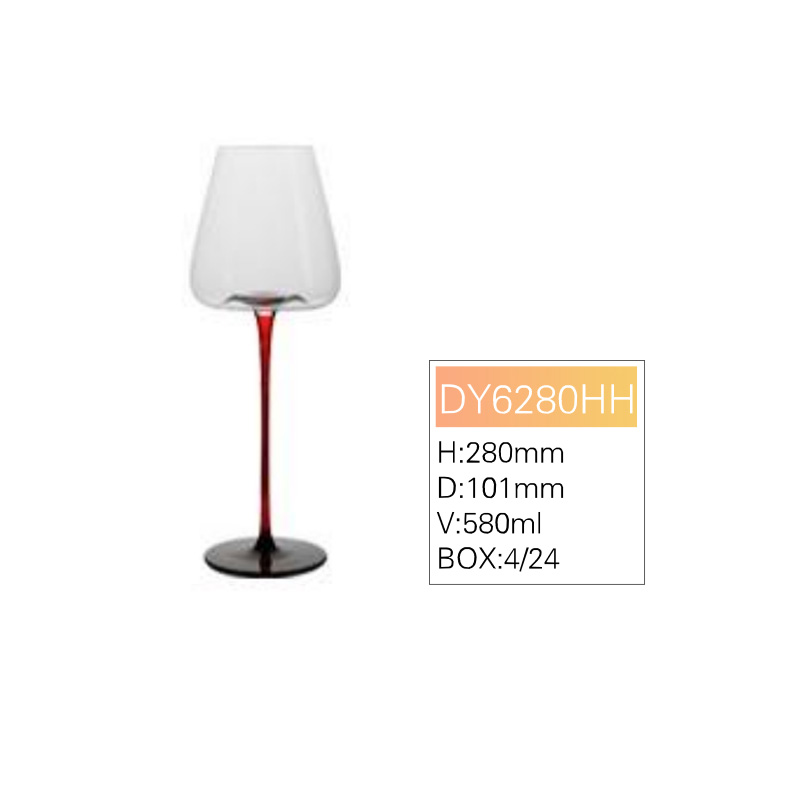 Beyond the Grape: The Delicate Art of Chinese Stemware Craftsmanship
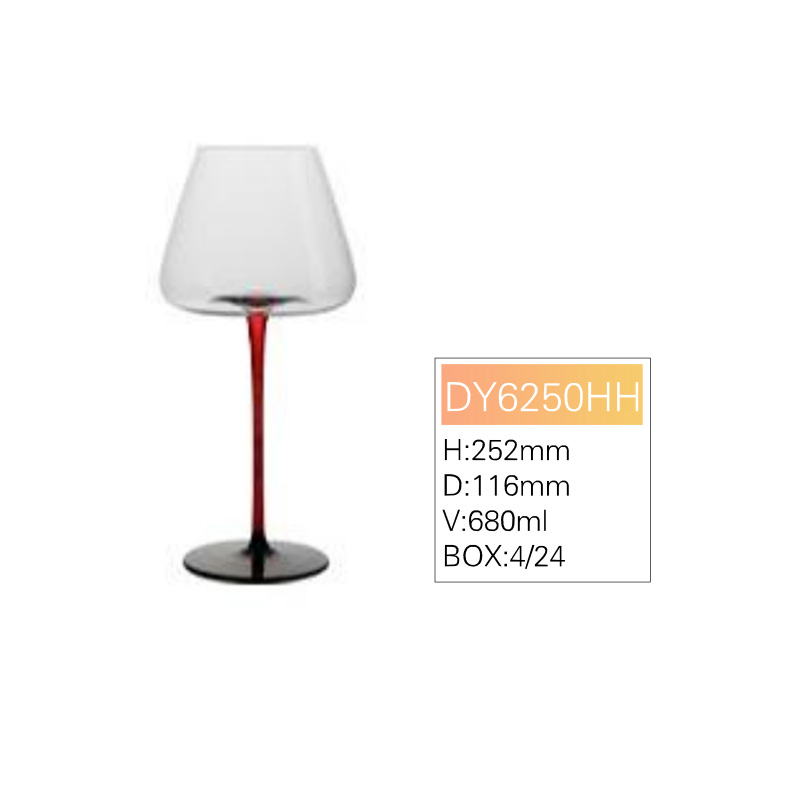 The Art of Color in China‘s Glass Cup Industry
 The Art of Clarity: A Deep Dive into the Craftsmanship of Glassware
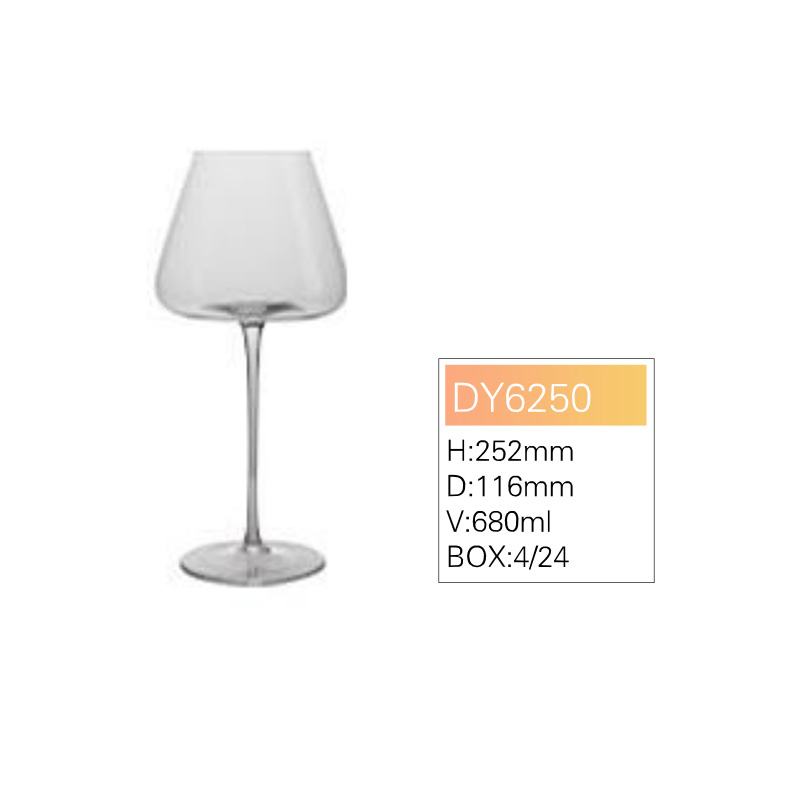 Raise Your Glass: A Guide to Glassware Materials and Types


Guangzhou HeXie Glass Co., Ltd.
Address: No. 22, Building 53, Haotai Hotel Supplies Expo City, Yingbin Road, Luopu Street, Panyu District, Guangzhou
Tel: +86-18011970645
Email: info@hexieglass.com
https://www.hexieglass.com


