


Many wine-lovers have heard of a wine decanter but aren’t quite clear on its purpose. Afterall, why would you want to add another step that further delays the wine-drinking process?
And while we’re at it, what’s the deal with all those funny shapes decanters come in? Does having a decanter that resembles the most abstract pottery in the enhance the wine’s flavor? Hexieglass will tell you.
Here’s the lowdown on what a decanter is, what it does, if you need one, and when to use it.
Super simple: a wine decanter is a vessel (usually made of glass) used to serve wine. The process of decanting wine, then, is the act of pouring the wine from a bottle into the decanter.
In the home setting, you’ll use the decanter to serve the wine into individual glasses. In a restaurant setting, some establishments will pour the decanted wine back into the bottle for presentation’s sake since many wine-drinkers (us included) like to ooh and aah at the bottle before imbibing.

As with anything we do to our beloved wines, decanting is meant to elevate the flavors and experience of drinking wine. There are two main ways this happens.
Ever hear someone say that a wine needs to “breathe”? Sounds odd, right?
Actually what they’re saying is that the wine needs to interact with the oxygen in the air for a few minutes so that the tannins mellow out and the flavors and aromas of the wine become more apparent. This is precisely what decanting allows the wine to do.
As your delicious wine hangs out in the decanter, it’s breathing deep and waking up. This aeration process is especially important for older vintages that have been cooped up in their bottle for a while and have built up quite the body of tannins.
However, be warned: There’s a bit of controversy in the oenophile world over how long you should aerate your wine. Some wine pros recommend just a minute or two while others say that wines over 15 years old need 20 to 30 minutes.
But don’t let the raging debate sway you. Find out for yourself.The best way to figure out the prime time for wine decanting is to conduct your own taste tests. Sip your wine when it’s fresh out of the bottle. Evaluate. Then give it a few minutes and sip again. Repeat responsibly.
If you feel that the flavors become more pronounced with time, you have your answer. If it seems the notes become more muted as your wine spends more time in the open air, you know to decant that vintage less next time.
Wine decanting is often used for older wines because over time wines develop sediment. This is a natural precipitation process; if you see sediment in your wine, it doesn’t mean it’s gone bad.
The only deal with sediment is that you usually don’t want to drink it. It won’t hurt you, but it’s just not that pleasant. It usually has a gritty texture with not much flavor.
If you’ve found a great vintage, let the bottle stand vertically, corked for 12 hours or more so the sediment can settle to the bottom. When you’re ready to enjoy your wine, pour it into a decanter and watch for the sediment layer. When the sediment reaches the neck of the bottle, stop pouring.
Give your decanted wine a moment to rest and let any stray sediment fall to the bottom of your wine carafe, then enjoy!
Sometimes it’s fun to just go to Amazon and scroll through all the interesting shapes and designs people have come up with for wine decanters. While it may seem silly to some to buy a decanter that’s 30 inches tall and doesn’t fit in a cabinet, there are some reasons why you may want a differently shaped decanter.
Apart from separating wine from sediment, the point of decanting your wine is to expose it to the oxygen in the air. A decanter with a very narrow neck and modest base is going to limit the amount of oxygen that touches your wine. On the other hand, a large wine decanter with a wide base and fanned opening will allow more oxygen to mingle with those tannins.
When you’re first getting started decanting wine, it’s best to find one that you feel comfortable with and that’s easy to clean. You don’t want to get any soap trapped in the decanter that could ruin your next vintage. In fact, many wine connoisseurs don’t use soap to clean their decanters for just that reason and instead just rinse the glass thoroughly with water.
According to Joseph Nase of New York Magazine, “don't let anybody tell you that you should only decant certain types of wine (Bordeaux) and not others (Burgundy). I recommend decanting everything -- even white wine, if you feel like it.”
While we’re not as bold as Joseph and we typically prefer to decant older wines that have begun to produce sediment, we firmly believe in being your own sherpa on the wine tour of life.
Unlike other adult beverages, the beauty of wine is that it goes through several stages of life. From the maceration process when the wine is hanging out with the bits and bobbles of the grape all the way through bottling, aging, and then decanting, wine continues to evolve.
It’s up to you, fellow wine lover, to decide at what phase of life you most enjoy your wines. Do you prefer them when they’re young and bright? Or would you rather spend time with an aged wine that’s developed depth?
Once you uncork your bottle, it will continue to evolve. Experiment with decanting your favorite wines for 2, 10, 30, or even 60 minutes and see what changes you can decipher.
Have experience decanting wine? Share your best tips and insights with us in the comments below!
 The Unassuming Brilliance of the Glass Cup
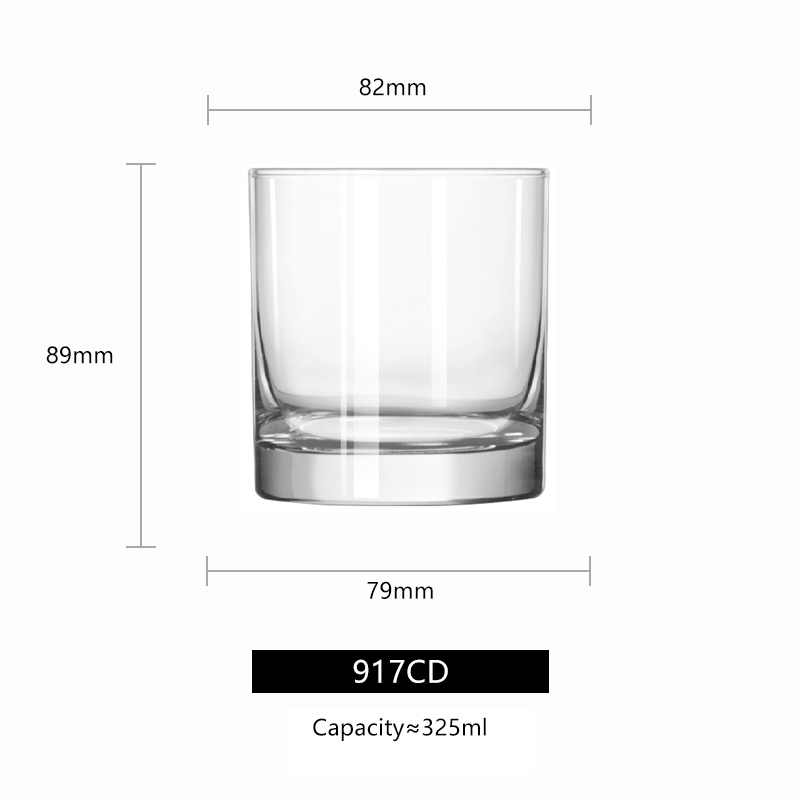 Behind the Sparkle: The Craftsmanship of Libbey Glassware
 Tempered Glass
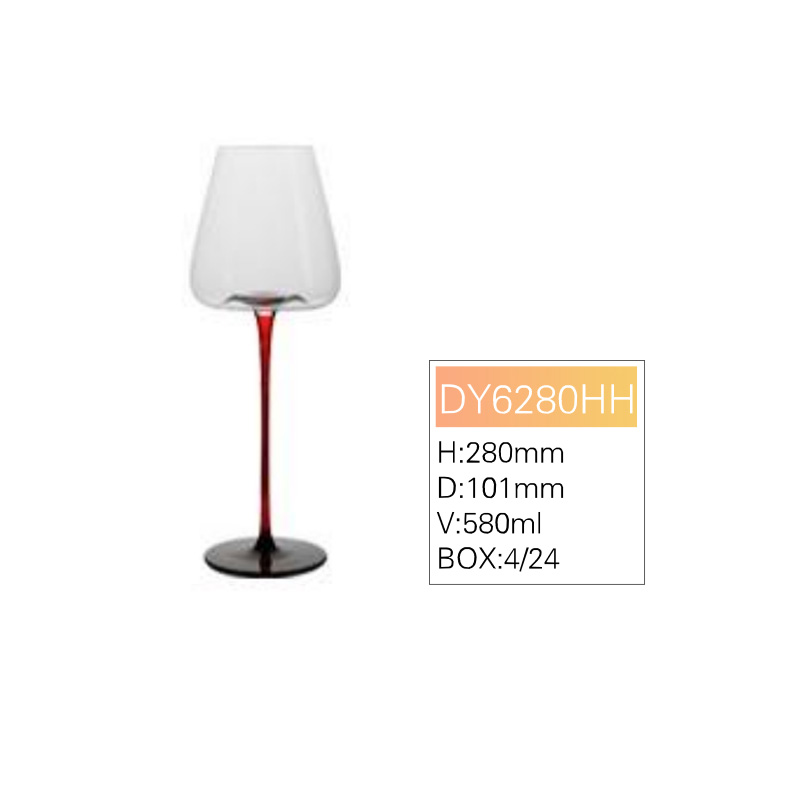 Beyond the Grape: The Delicate Art of Chinese Stemware Craftsmanship


Guangzhou HeXie Glass Co., Ltd.
Address: No. 22, Building 53, Haotai Hotel Supplies Expo City, Yingbin Road, Luopu Street, Panyu District, Guangzhou
Tel: +86-18011970645
Email: info@hexieglass.com
https://www.hexieglass.com


