


Nearly all spirits are suitable for decanting; find out when it makes the most sense to use this elegant vessel.
A decanter is a vessel, often made from glass or crystal, that is used to hold a liquid, generally liquor or wine. It has a wide base and a tall, narrow neck with an airtight stopper to seal it. A carafe is a somewhat similar container but does not have a stopper, so unlike a decanter, it is only used for serving rather than for storing the liquid longer term.
When it comes to decanting, almost any spirit is fair game. You can fill it with brown or clear spirits, anything you'd likely sip straight up, on the rocks, or mix into cocktails.
Common spirits used in a decanter are:
If you're wondering what to use a decanter for, note that these vessels let the spirits mingle with the oxygen, and breathe, encouraging nuanced aromas to open up and bloom. While decanting won't improve the spirit's taste, it won't do any harm to the spirit as long as the closure is airtight.
Spirits are less reactive to oxygen than wine, which means their flavor profiles won't differ much whether the spirit is stored in a decanter or the original bottle it came in.
In the case of whisky and other liquors, the benefit of decanting is largely an aesthetic one. You can create a cohesive look on your home bar by removing the bottles from their mismatched, branded packaging and pouring them into beautiful decanters.
If you decant wine, don't let it linger—instead, enjoy it straight away.
Yes, you can decant wine into wine decanters. In some instances, say, with a bottle of Rioja or cabernet sauvignon, decanting can soften the tannins and free it of sediment. But don't expect that decanter full of red wine to last. After two or three days, it will become over-aerated and lose its oomph, soon becoming unpalatable. Once the wine opens up, it should be served immediately.
Unlike wine, which becomes overaerated and can oxidize if stored in a decanter, spirits can last years in a decanter—as long as the stopper is airtight. Best practice, though, is to try and consume your decanted spirit sooner than that. Prolonged storage (over two years) in a decanter will probably produce some discoloration and loss of flavor intensity. If your spirit is still in the unopened package it was purchased in, it can last decades.
Look beyond its gorgeous design to ensure your crystal decanter is safe. Many of the most beautiful spirits decanters you see on bars are made of crystal. Intricate patterns are cut into light-catching designs, making them sparkle on your bar cart and welcoming you come happy hour. While these are undeniably beautiful, be mindful of what type of decanter you use for spirits—lead crystal decanters contain small amounts of lead that will leech into the spirits over time. Many antique decanters, for instance, are made from lead crystal. If you're thinking about purchasing a decanter, opt for lead-free options. And if you already own a lead crystal decanter, use it to hold liquor for no longer than a few days at a time.
If the spirit in your decanter looks suspect, it may be time to toss it—and it may also be time to purchase a new decanter.
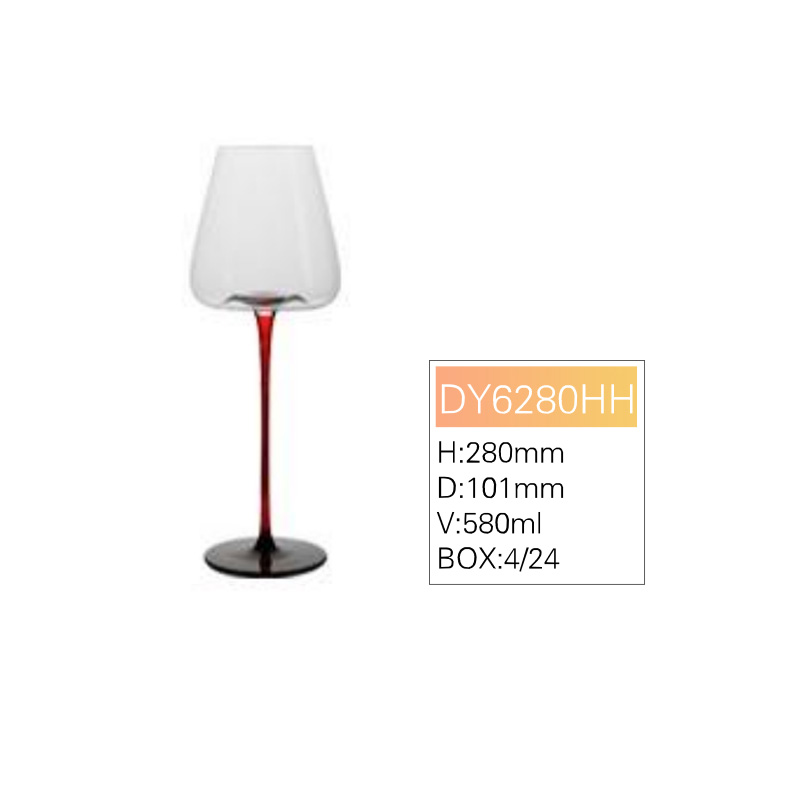 Beyond the Grape: The Delicate Art of Chinese Stemware Craftsmanship
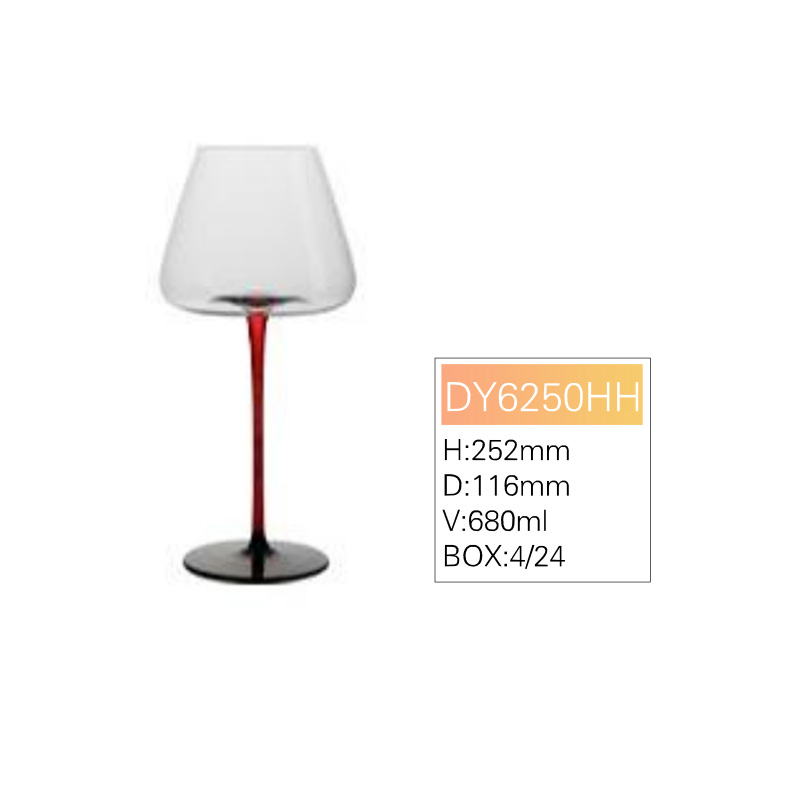 The Art of Color in China‘s Glass Cup Industry
 The Art of Clarity: A Deep Dive into the Craftsmanship of Glassware
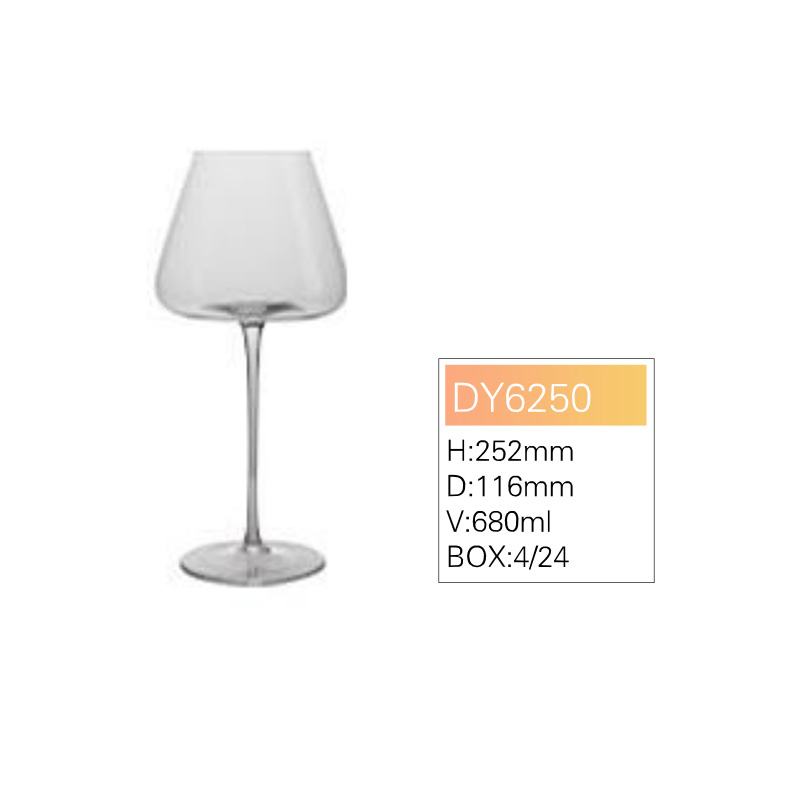 Raise Your Glass: A Guide to Glassware Materials and Types


Guangzhou HeXie Glass Co., Ltd.
Address: No. 22, Building 53, Haotai Hotel Supplies Expo City, Yingbin Road, Luopu Street, Panyu District, Guangzhou
Tel: +86-18011970645
Email: info@hexieglass.com
https://www.hexieglass.com


