


The world of wine is a realm filled with rituals, traditions, and a plethora of tools designed to enhance the enjoyment of this ancient beverage. Among these tools, the decanter stands out as both a functional and aesthetically pleasing accessory. But the question remains: is it truly necessary to use a decanter? Let HX glass tell you.
The Purpose of Decanting
At its core, decanting serves two primary functions: aeration and separation of sediment. Aeration is the process of exposing the wine to oxygen. Oxygen plays a crucial role in a wine's development. When wine is poured into a decanter, the increased surface area of the wine in contact with air accelerates chemical reactions. Tannins, which are responsible for the astringent and bitter sensations in wine, especially in young red wines, can be softened through oxidation. This transformation can turn a rough, unapproachable wine into a smoother, more harmonious one. For instance, a young, tannic Cabernet Sauvignon might taste harsh and closed - off straight from the bottle. However, after spending some time in a decanter, the tannins begin to mellow, and the wine's fruit flavors and complex aromas become more pronounced.
The second function, separating sediment, is particularly important for aged wines. Over time, wines, especially those that are aged in the bottle, develop sediment. This sediment can consist of tartrates (crystals that form from the wine's natural acids), as well as other by - products of the wine - aging process. When a wine with sediment is poured directly into a glass, the sediment can make its way into the glass, affecting the appearance and mouthfeel of the wine. By decanting, the wine can be carefully separated from the sediment, allowing for a clean and clear pour.

When Decanting is Necessary
For aged red wines, decanting is often a necessity. Wines that have been cellared for a decade or more are likely to have developed a significant amount of sediment. These wines, which have usually undergone a complex aging process, also benefit from a gentle aeration. The oxygen can help to revive the wine, awakening its dormant flavors and aromas. Take, for example, a well - aged Bordeaux. The years of bottle - aging have concentrated its flavors, but the wine may have become a bit closed. Decanting allows the wine to open up, revealing the layers of earthy, leathery, and fruit - forward notes that have developed over time.
Young, full - bodied red wines also stand to gain a great deal from decanting. Varieties like Syrah, Malbec, and Nebbiolo are known for their high tannin content. When these wines are first bottled, they can be quite astringent and difficult to appreciate. Decanting these wines for an hour or two can transform their character. The oxygen helps to break down the tannins, making the wine more palatable and allowing the underlying fruit and spice flavors to shine through.
When Decanting May Not Be Necessary
Most white wines do not require decanting. White wines generally have lower tannin levels compared to red wines. Their flavor profiles are often more delicate and centered around fresh fruit, floral, and sometimes mineral notes. For example, a young Riesling from Germany is known for its bright citrus and floral aromas. Decanting this wine can cause it to lose its freshness and vibrancy. The increased exposure to oxygen can lead to the oxidation of the wine, which may result in a loss of its characteristic flavors and a development of a more oxidized, nutty flavor that is not typical of a young Riesling.
Sparkling wines are another category where decanting is usually not recommended. Sparkling wines, such as Champagne, Prosecco, and Cava, owe their charm and appeal to the carbon dioxide bubbles trapped within the wine. Decanting a sparkling wine would cause the bubbles to escape rapidly, turning the sparkling wine into a flat, still wine. The effervescence of sparkling wines is an integral part of their sensory experience, contributing to their refreshing quality and unique mouthfeel. Pouring a sparkling wine into a decanter would essentially destroy its most distinctive feature.
Rosé wines, which are typically light - bodied and fruit - forward, generally do not benefit from decanting. Their simple, refreshing nature is best enjoyed straight from the bottle. Rosé wines are often made to be consumed young, and their flavors are centered around fresh berries, melon, and sometimes floral notes. Decanting a rosé may not enhance its flavor profile and could potentially cause it to lose its youthful, vibrant character.

Alternatives to Decanting
For those who do not have a decanter or are in a hurry, there are alternatives. One option is to use a wine aerator. A wine aerator is a small device that attaches to the bottle or is placed over the glass. As the wine is poured through the aerator, it is rapidly aerated. This method can provide some of the benefits of decanting, especially for young red wines. Another alternative is to simply swirl the wine in the glass. Swirling exposes the wine to a small amount of oxygen, which can help to release its aromas and slightly soften the tannins. However, this method is less effective than decanting for wines that require more extensive aeration.
In conclusion, the necessity of using a decanter depends on the type of wine being served. For aged red wines and young, full - bodied red wines, decanting can significantly enhance the wine - drinking experience. It can transform the flavor, aroma, and mouthfeel of the wine, allowing the drinker to fully appreciate the complexity and nuances that the winemaker intended. However, for white wines, sparkling wines, and rosés, decanting is generally not necessary and may even detract from the wine's natural characteristics. So, while the decanter is a valuable tool in the wine lover's arsenal, it is not a one - size - fits - all solution. Understanding the needs of different wines is key to determining whether to reach for the decanter or not.
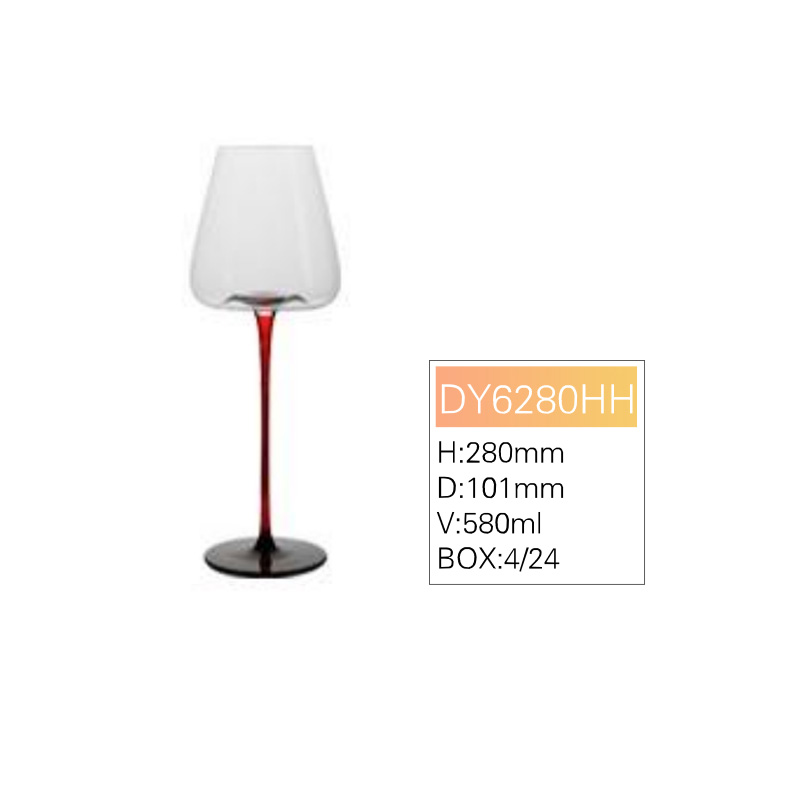 Beyond the Grape: The Delicate Art of Chinese Stemware Craftsmanship
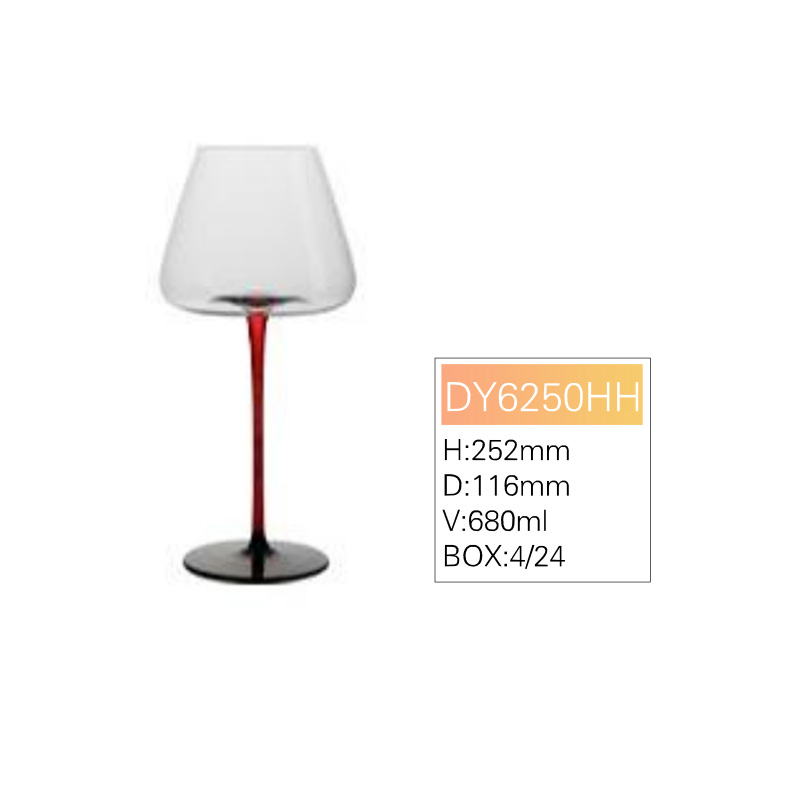 The Art of Color in China‘s Glass Cup Industry
 The Art of Clarity: A Deep Dive into the Craftsmanship of Glassware
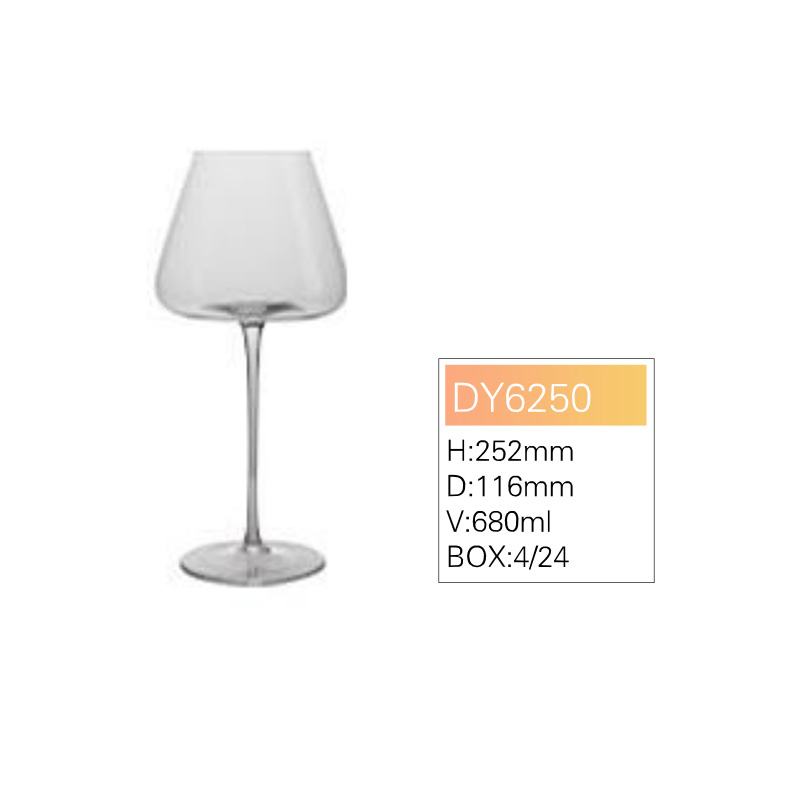 Raise Your Glass: A Guide to Glassware Materials and Types


Guangzhou HeXie Glass Co., Ltd.
Address: No. 22, Building 53, Haotai Hotel Supplies Expo City, Yingbin Road, Luopu Street, Panyu District, Guangzhou
Tel: +86-18011970645
Email: info@hexieglass.com
https://www.hexieglass.com


