


If it is a water cup, we can distinguished by seam line and thickness of the cup wall. Hand blowing glass cup usually have no seam line, and the cup wall is thin. Most of them have slight bubbles and streamlines, slightly different specifications. Machine blowing glass cup have thicker walls, fewer bubbles and streamlines, similar size. Only some of them have seam lines.
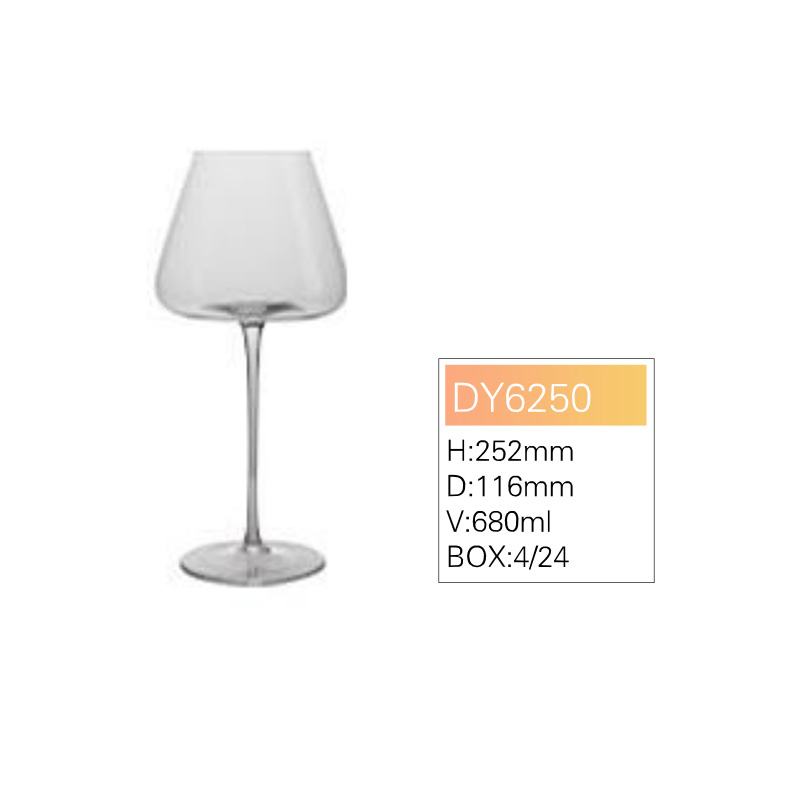
If it is a goblet, for domestic glassware, machine blowing goblet is with thick wall, smaller size. But the hand blowing goblet has thin wall, more shapes and more delicate. Of course, there may be have bubbles and streamlines.
For foreign well-known brand goblet, machine blowing goblet is better than hand blowing one: thin wall, no bubbles, streamline shape. Machine blowing goblet should be a better choice for people who like drinking red wine.
Method of Glass Blowing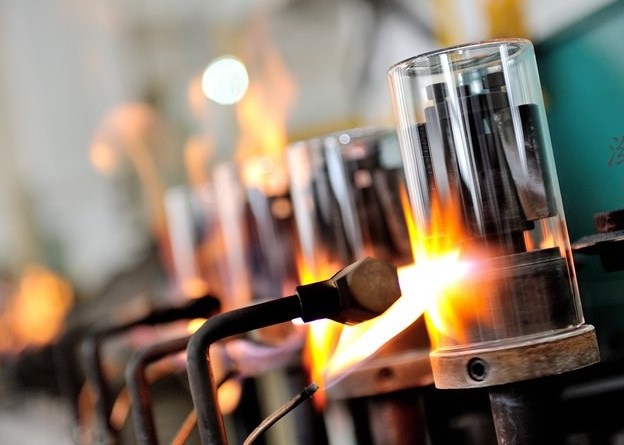
Blowing glassware is divided into two kinds:
One is machine blowing. The main equipment is bottle making machine or cup blowing machine. It uses the plasticity of glass liquid to blow glass liquid into shape by high pressure gas.
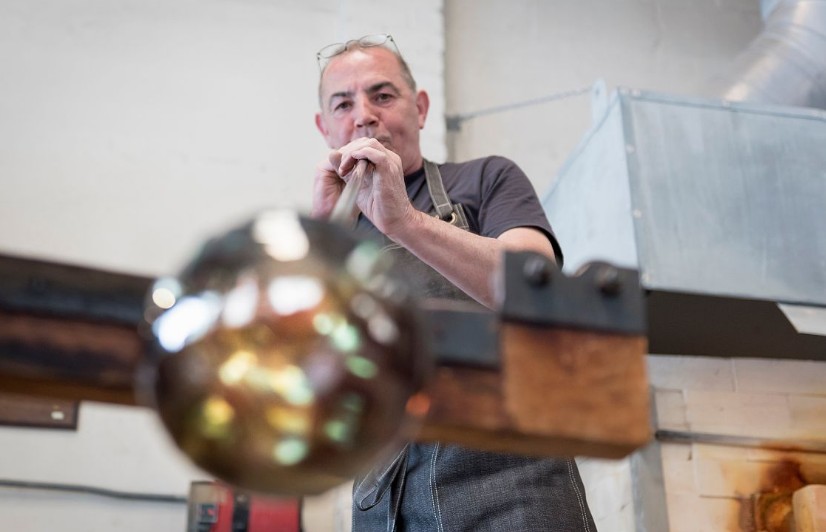
The other is hand blowing. This craft uses a steel pipe of suitable thickness to carry the glass liquid to one end of the steel pipe. The other end of the pipe is blown by the worker with his mouth. The glass liquid is blown into bubbles, then dipped in the glass liquid again to continue blowing, and then into the mould forming. This process is called hand blowing.
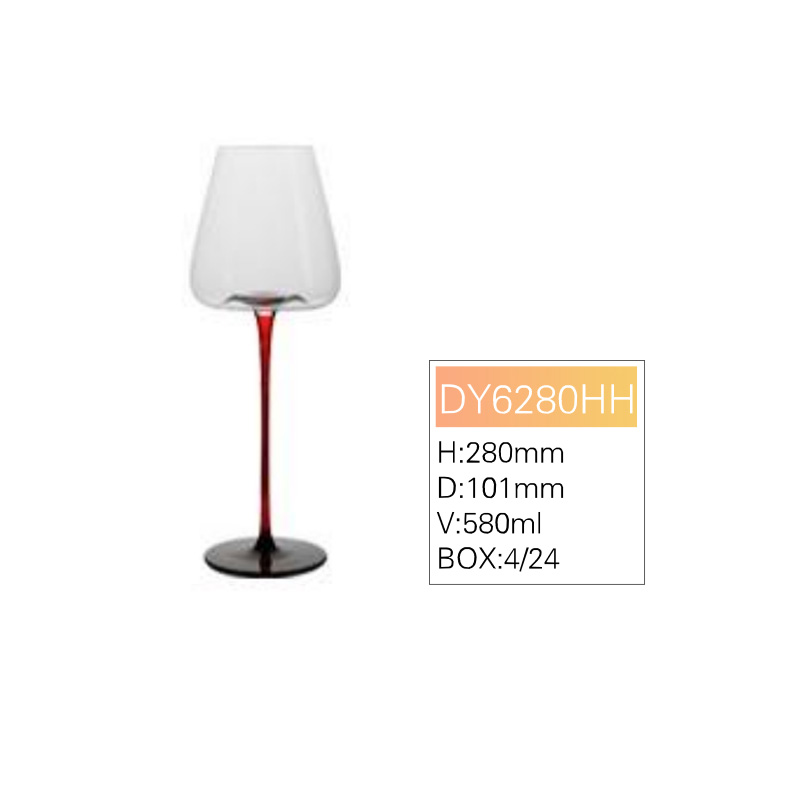 Beyond the Grape: The Delicate Art of Chinese Stemware Craftsmanship
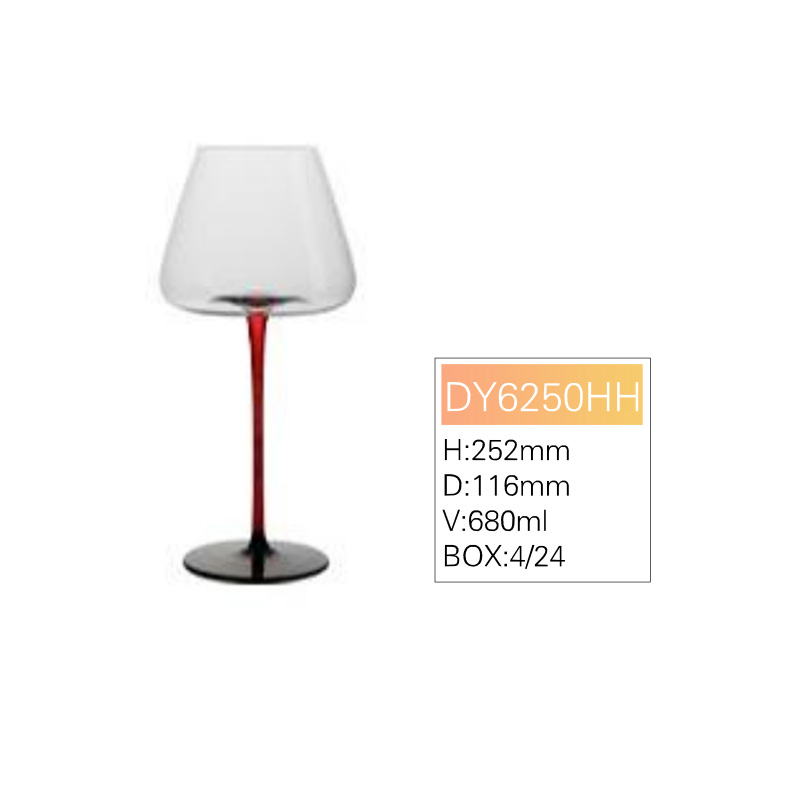 The Art of Color in China‘s Glass Cup Industry
 The Art of Clarity: A Deep Dive into the Craftsmanship of Glassware
 Raise Your Glass: A Guide to Glassware Materials and Types


Guangzhou HeXie Glass Co., Ltd.
Address: No. 22, Building 53, Haotai Hotel Supplies Expo City, Yingbin Road, Luopu Street, Panyu District, Guangzhou
Tel: +86-18011970645
Email: info@hexieglass.com
https://www.hexieglass.com


