IntroductionIn modern kitchens, a wide variety of cookware is available, each with its own set of features and recommended usage scenarios. Glass baking dishes are popular for baking due to their transparency, which allows users to monitor the cooking progress without opening the oven door. However, a common question that often arises among home cooks is whether these
glass baking dishes can be used on an open flame.
Hexieglass aims to explore this question in depth, considering the properties of glass, the heat - transfer mechanisms involved, and safety aspects.
The Properties of GlassGlass is a non - crystalline solid material that has been used in various applications for thousands of years. In the context of cookware, glass is valued for its chemical stability, smooth surface, and optical clarity.
CompositionMost glass used in
baking dishes is soda - lime glass. It is composed mainly of silica (SiO₂), soda (sodium carbonate, Na₂CO₃), and lime (calcium oxide, CaO). Silica provides the basic structure of the glass, giving it hardness and heat - resistance to a certain extent. Soda is added to lower the melting point of the silica, making the glass - making process more energy - efficient. Lime, on the other hand, helps to improve the chemical durability of the glass, preventing it from dissolving in water or reacting with acidic substances.
Thermal ExpansionOne of the most critical properties of glass when considering its use on an open flame is its coefficient of thermal expansion. Glass has a relatively low coefficient of thermal expansion compared to metals. However, different types of glass have different coefficients. Soda - lime glass, which is commonly used in baking dishes, has a coefficient of thermal expansion that is higher than that of borosilicate glass. When glass is heated, it expands. If the expansion is uneven, for example, if one part of the glass is heated much faster than another part, it can lead to stress within the glass structure. This stress can cause the glass to crack or shatter.
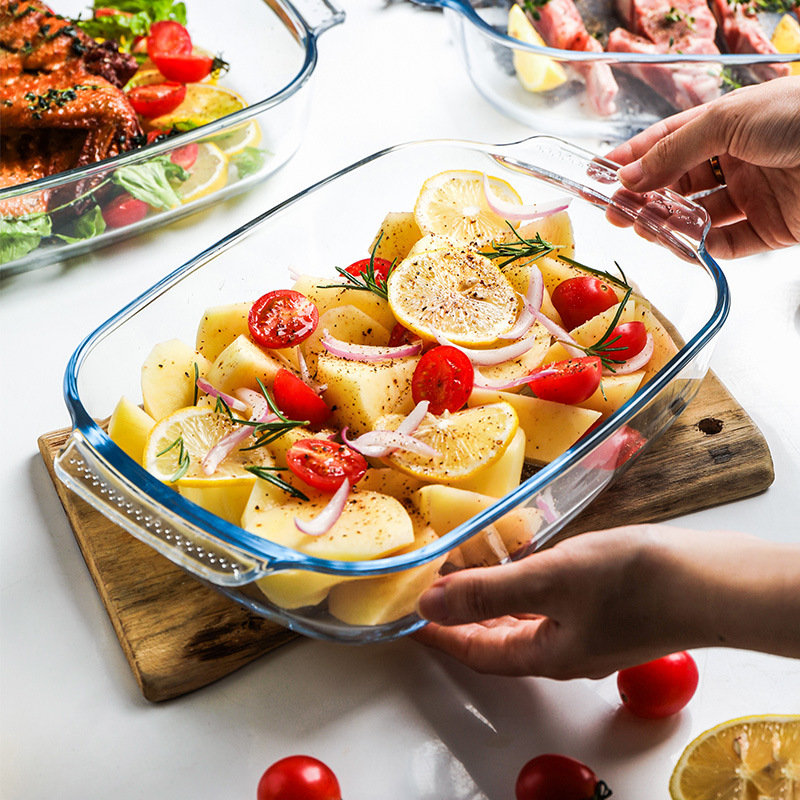 Heat - Transfer Mechanisms
When considering the use of
glass baking dishes on an open flame, it is essential to understand the heat - transfer mechanisms involved. There are three main types of heat transfer: conduction, convection, and radiation.
ConductionConduction is the transfer of heat through a material from a region of higher temperature to a region of lower temperature. In the case of a glass baking dish on an open flame, heat is first transferred from the flame to the bottom of the dish by conduction. The molecules in the glass at the bottom of the dish gain kinetic energy from the heat source and start to vibrate more vigorously. These vibrating molecules then transfer some of their energy to neighboring molecules, gradually spreading the heat through the glass. However, glass is not an excellent conductor of heat compared to metals. This means that heat transfer through the glass by conduction is relatively slow.
ConvectionConvection is the transfer of heat by the movement of a fluid (liquid or gas). When a glass baking dish is on an open flame, the air around the
dish is heated. The hot air rises, creating a convection current. This convection current can transfer heat to the sides and top of the glass dish. In an oven, convection is a significant factor in baking as the hot air circulates around the food, ensuring even cooking. But on an open flame, the convection currents are more chaotic and can contribute to uneven heating of the glass dish.
RadiationRadiation is the transfer of heat in the form of electromagnetic waves. The open flame emits infrared radiation, which can be absorbed by the glass baking dish. The glass then absorbs this radiant energy and converts it into heat, increasing its temperature. However, the amount of heat transferred by radiation depends on factors such as the distance between the flame and the dish, the temperature of the flame, and the emissivity of the glass surface.
Why Glass Baking Dishes are Not Recommended for Open - Flame Use1. Risk of Thermal ShockAs mentioned earlier, glass has a non - zero coefficient of thermal expansion. When a glass baking dish is placed on an open flame, the bottom of the dish is heated rapidly. The hot bottom of the dish expands, while the cooler upper parts of the dish remain at a lower temperature and do not expand as much. This sudden and uneven expansion creates stress within the glass structure. If the stress exceeds the tensile strength of the glass, the
dish will crack or shatter. Even if the glass does not break immediately, repeated exposure to such thermal stress can weaken the glass over time, increasing the risk of failure.
2. Uneven HeatingGlass is a poor conductor of heat. When on an open flame, the heat is concentrated at the bottom of the dish where it is in contact with the flame. Since the heat does not spread quickly through the glass by conduction, the bottom of the dish can become much hotter than the sides and top. This uneven heating can lead to problems in cooking, such as burning the food at the bottom while the rest remains undercooked. In addition, the extreme temperature gradient within the glass can contribute to the development of cracks due to thermal stress.
3. Lack of Heat Resistance Designed for Open FlamesGlass baking dishes are designed primarily for use in ovens, where the temperature is more evenly distributed and the heating rate is relatively slower compared to an open flame. Oven temperatures typically range from 150°C - 250°C (300°F - 480°F), and
glass baking dishes are engineered to withstand these temperatures when heated evenly. Open - flame heat sources, such as gas burners or camp stoves, can reach much higher temperatures in a short period. For example, a gas burner can reach temperatures well above 1000°C (1832°F) at the hottest part of the flame. The glass baking dish is not designed to handle such extreme heat and rapid temperature changes associated with open - flame cooking.
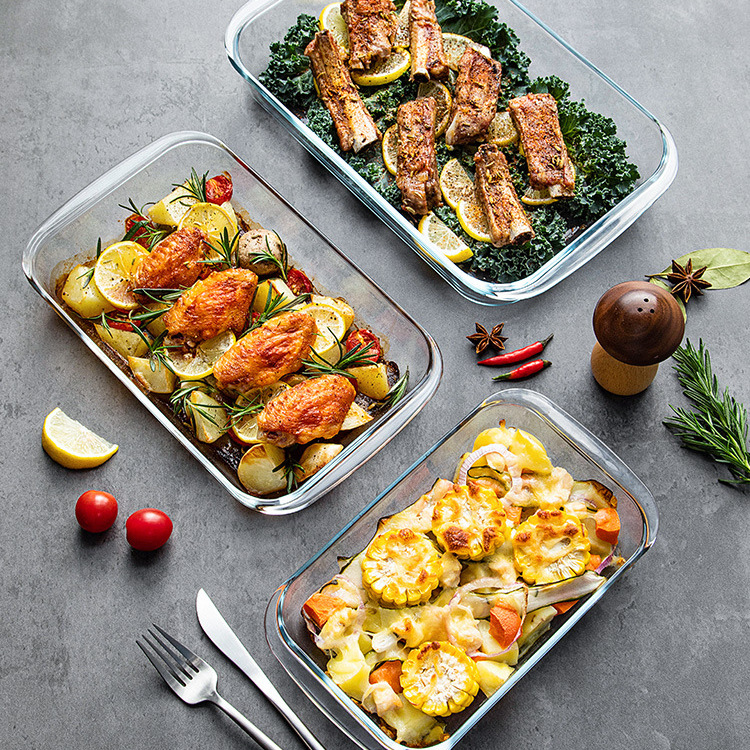 Exceptions and Special - Purpose Glass Cookware1. Borosilicate Glass
Borosilicate glass is a special type of glass that has a much lower coefficient of thermal expansion compared to soda - lime glass. This makes it more resistant to thermal shock. Some high - quality borosilicate glass cookware is designed to be used on open flames. However, it is important to note that not all borosilicate glass products are suitable for open - flame use, and manufacturers' instructions should always be followed. Borosilicate glass contains boron trioxide (B₂O₃) in addition to the usual silica, soda, and lime components. The presence of boron helps to reduce the thermal expansion coefficient, allowing the glass to expand and contract more uniformly when heated.
2. Ceramic - Coated Glass or Glass - Ceramic CookwareGlass - ceramic cookware is another exception. It is made from a special type of glass that has been heat - treated to form a glass - ceramic composite. This material has excellent heat - resistance and a very low coefficient of thermal expansion. Glass - ceramic cookware can be used on open flames, induction cooktops, and in ovens. It is designed to handle rapid temperature changes without cracking or shattering. The ceramic component in the glass - ceramic composite gives it enhanced strength and heat - dissipation properties, making it suitable for a wide range of cooking applications.
Safety Considerations1. Personal SafetyUsing a glass baking dish on an open flame, especially if it is not designed for such use, poses a significant risk to personal safety. If the glass dish cracks or shatters, hot glass fragments and the contents of the dish can be sprayed out, potentially causing burns or cuts. It is important to always wear appropriate protective gear, such as oven mitts and safety glasses, when handling any cookware on an open flame.
2. Kitchen SafetyA shattered glass baking dish on an open flame can also pose a risk to the kitchen environment. Broken glass can damage the cooktop or the surface on which the dish was placed. If the glass shatters while cooking food, the food may become contaminated with glass fragments, rendering it inedible. In addition, a fire hazard may be created if the contents of the dish, such as oil or grease, ignite due to the sudden breakage of the glass.
ConclusionIn general, glass baking dishes made of soda - lime glass are not suitable for use on an open flame. The risk of thermal shock, uneven heating, and the lack of heat - resistance designed for open - flame conditions make it a dangerous practice. While there are exceptions such as
borosilicate glass and glass - ceramic cookware that are designed to handle open - flame use, it is crucial to always follow the manufacturer's instructions. Understanding the properties of glass, heat - transfer mechanisms, and safety considerations can help home cooks make informed decisions about the appropriate use of glass bakeware in the kitchen, ensuring both delicious meals and a safe cooking environment. Whether baking a cake in the oven or simmering a stew on the stove, using the right cookware for the task at hand is essential for a successful culinary experience.


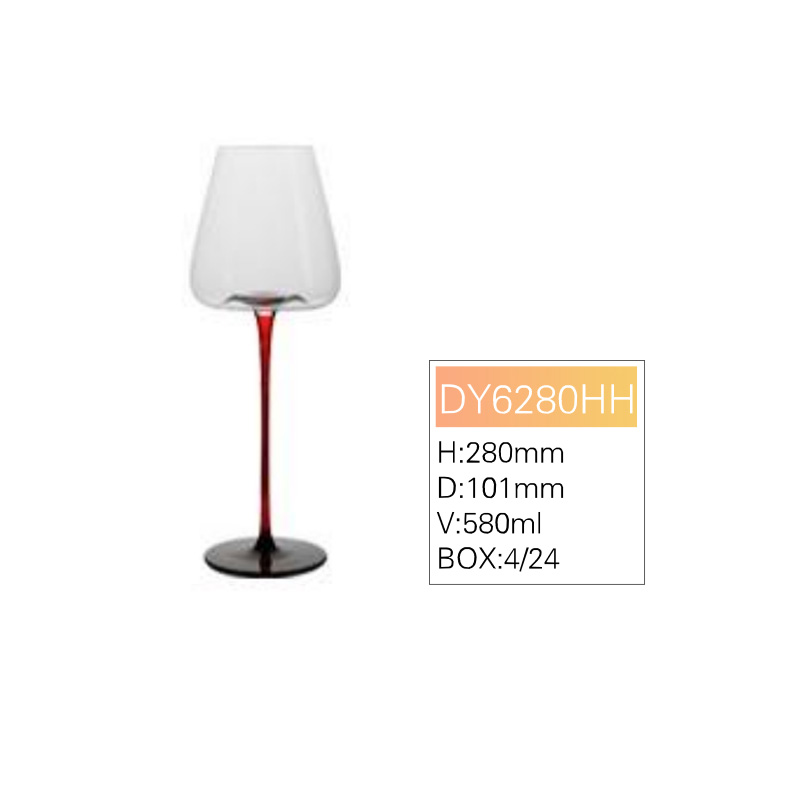 Beyond the Grape: The Delicate Art of Chinese Stemware Craftsmanship
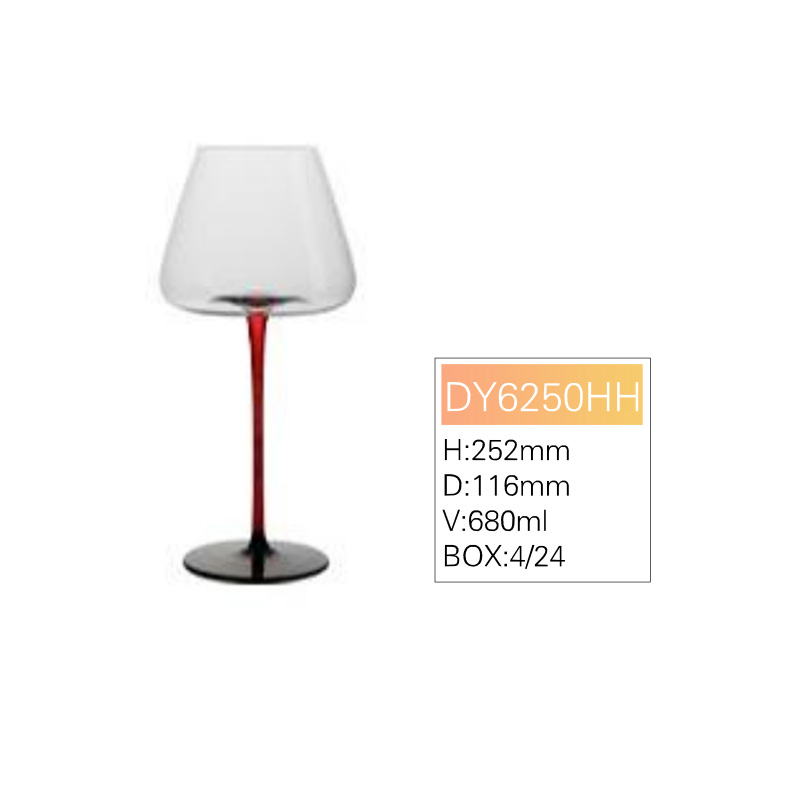 The Art of Color in China‘s Glass Cup Industry
 The Art of Clarity: A Deep Dive into the Craftsmanship of Glassware
 Raise Your Glass: A Guide to Glassware Materials and Types


