The world of wine is not only about the liquid in the bottle but also the vessel from which we enjoy it. The right glass can enhance the wine - drinking experience, bringing out its aromas, flavors, and textures. In this article,
Hexieglass will explore the factors that determine the best glasses for wine.
The Importance of the Right Wine GlassWine glasses are not just simple containers; they play a crucial role in the overall appreciation of wine. The shape, size, and material of the glass can significantly impact how we perceive the wine's qualities. A well - designed glass can concentrate the wine's aromas, direct the liquid onto the right areas of the palate, and enhance the visual appeal of the wine.
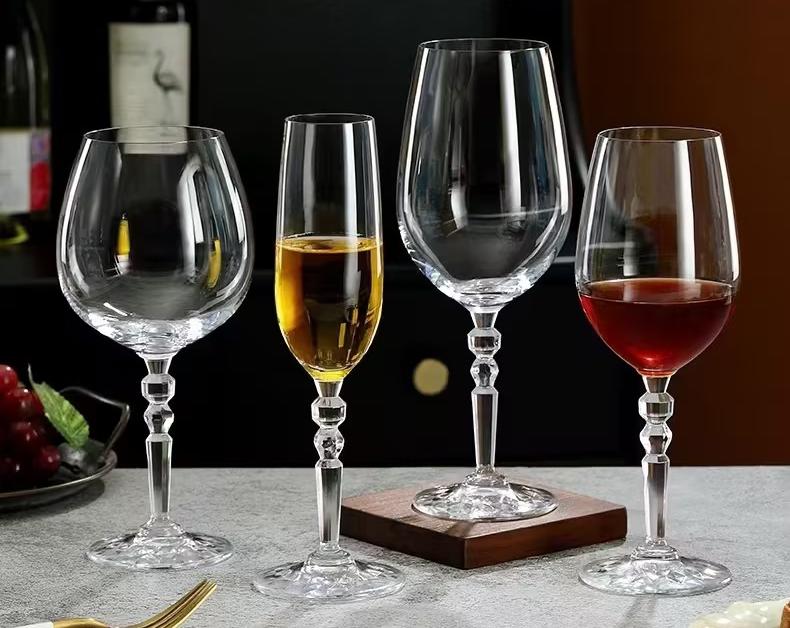
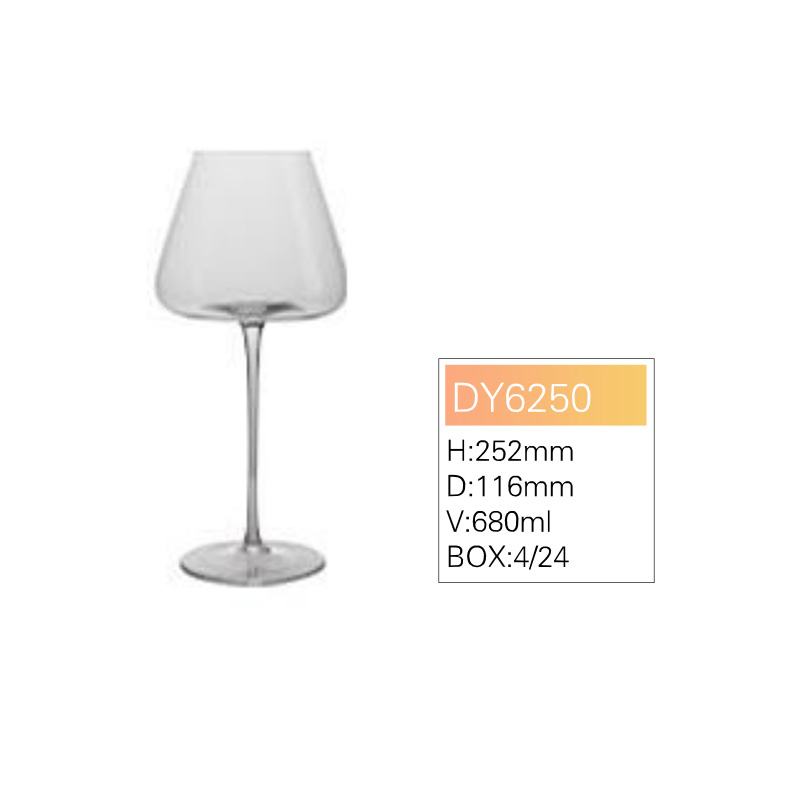
Shape of the GlassBowl Shape1. Red Wine Glasses• For red wines, a wide - bowl glass is often preferred. The wide bowl allows the wine to have a larger surface area exposed to air. This aeration is essential as it helps to release the complex aromas of red wines. For example, when enjoying a full - bodied Cabernet Sauvignon, the wide bowl enables the wine to “breathe” and develop its bouquet of dark fruits, spices, and sometimes earthy or oaky notes.
• The shape also allows the drinker to swirl the wine easily. Swirling is important as it further aerates the wine and can release more volatile compounds, enhancing the olfactory experience.
2. White Wine Glasses• White wine glasses typically have a narrower bowl compared to red wine glasses. This is because white wines generally have more delicate aromas that need to be concentrated. A Chardonnay, for instance, might have aromas of citrus, green apples, and floral notes. The narrower bowl helps to trap these subtler scents, allowing the drinker to fully appreciate them.
• The shape also directs the wine towards the front of the palate, where the taste buds are more sensitive to the acidity that is characteristic of many white wines.
 Stem Length
The stem of a wine glass serves more than just an aesthetic purpose. A long stem allows the drinker to hold the glass without warming the wine with the heat from their hand. This is especially important for wines that are best served at specific temperatures. For example, red wines are usually served at around 16 - 18°C, and white wines at 8 - 12°C. By holding the glass by the stem, the temperature of the wine remains constant, ensuring that the flavors and aromas are experienced as the winemaker intended.
Size of the GlassThe size of the wine glass also matters. A standard wine glass should have enough capacity to hold an appropriate serving of wine, which is typically around 150 - 175 ml for a single serving. However, the glass should not be so small that it restricts the wine's ability to breathe or the drinker's ability to swirl it.
For wines that require more extensive aeration, such as older or more complex red wines, a larger glass with a capacity of 350 - 500 ml can be beneficial. This extra space allows the wine to open up and reveal its full range of flavors over time.
Material of the GlassCrystal vs. Glass1. Crystal Glasses• Crystal glasses are often prized for their clarity and brilliance. They are made with a higher lead content (in traditional crystal) or other minerals in lead - free crystal, which gives them a more refractive quality, making the wine look more appealing.
• Crystal glasses are also thinner - walled compared to regular glass, which allows for a more delicate sipping experience. The thin walls can enhance the perception of the wine's texture on the palate. However, due to their delicate nature, crystal glasses require more careful handling.
2. Regular Glass• Regular glass glasses are more durable and less expensive than crystal. They are a practical choice for everyday use. While they may not have the same level of clarity and thinness as crystal, modern glass - making techniques have produced high - quality glass wine glasses that can still provide an enjoyable wine - drinking experience.
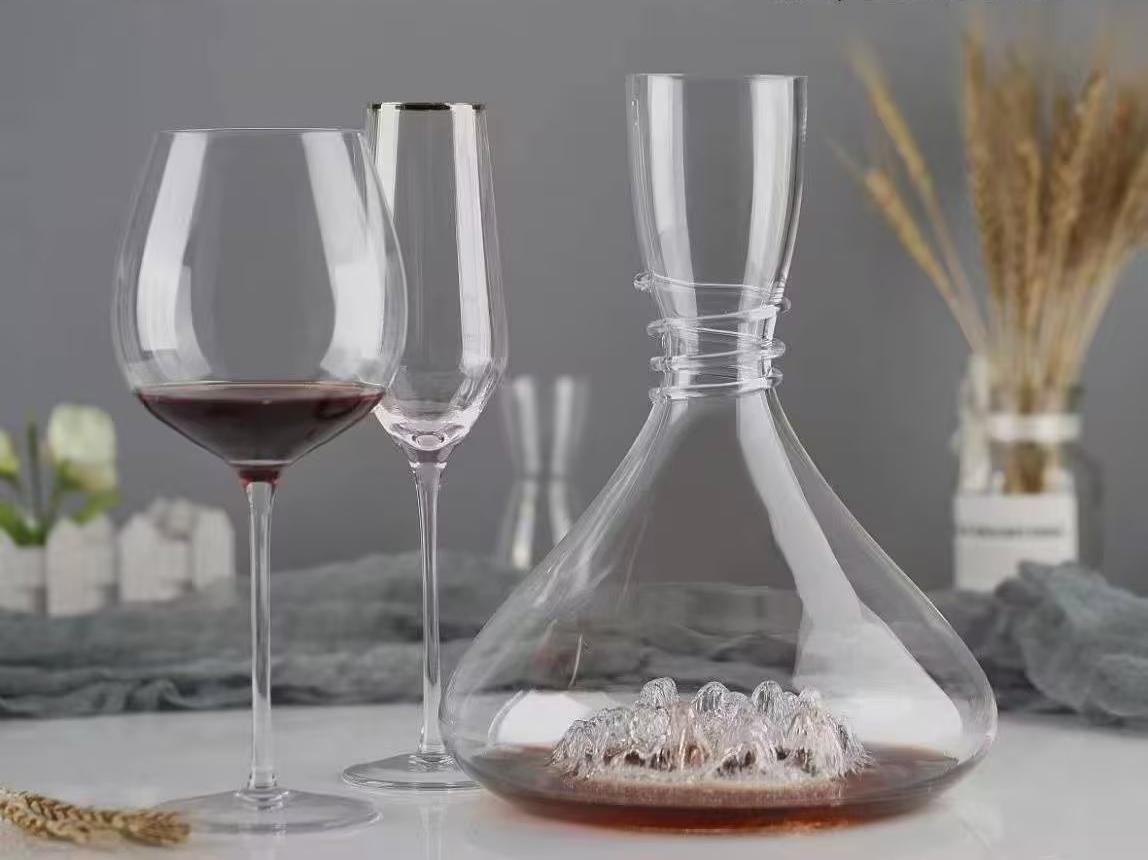 Specific Glassware for Different Wine VarietiesChampagne FlutesChampagne
 and other sparkling wines are best served in tall, narrow flutes. The narrow opening helps to retain the carbonation, preventing the bubbles from dissipating too quickly. The tall shape also showcases the beautiful stream of bubbles rising from the bottom of the glass, adding to the visual allure of the sparkling wine.
Port GlassesPort, a fortified wine, is typically served in small, tulip - shaped glasses. The small size is appropriate as port is often served in smaller quantities due to its high alcohol content. The tulip shape helps to concentrate the intense, sweet aromas of the port, such as dried fruits, nuts, and spices.
In conclusion, the best glasses for wine are those that are carefully designed to enhance the unique characteristics of each type of wine. Whether it's the shape of the bowl, the length of the stem, the size of the glass, or the material it's made from, every aspect contributes to a more enjoyable wine - tasting experience. By choosing the right glass for the wine you're drinking, you can unlock its full potential and savor every drop.


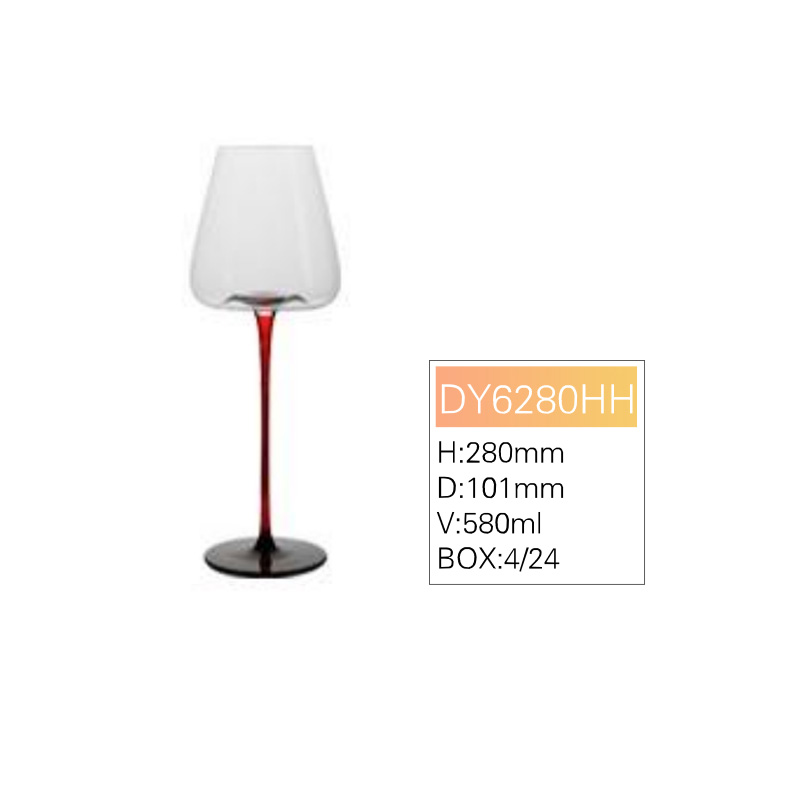 Beyond the Grape: The Delicate Art of Chinese Stemware Craftsmanship
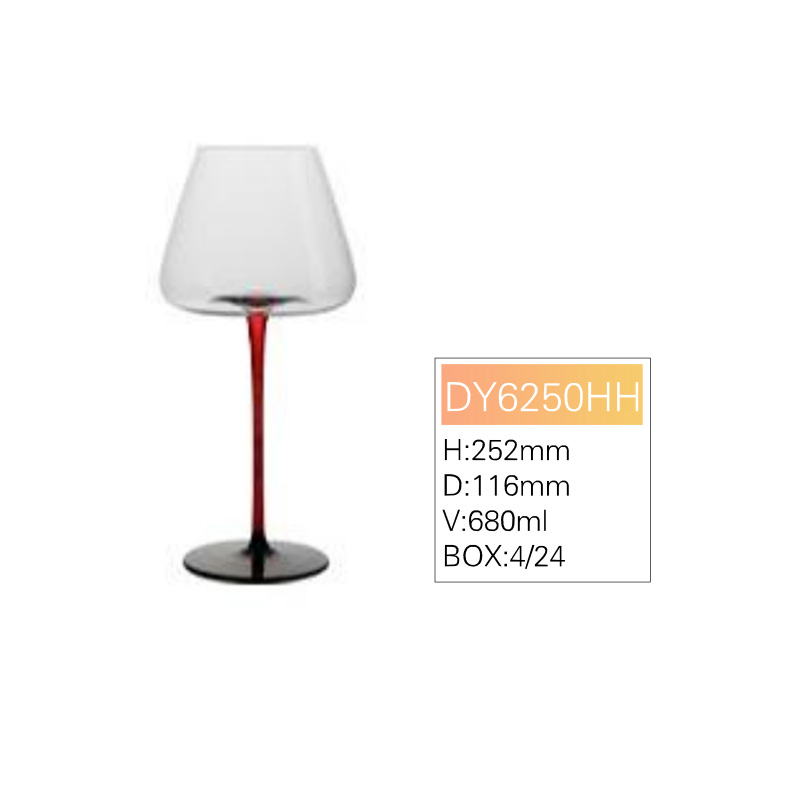 The Art of Color in China‘s Glass Cup Industry
 The Art of Clarity: A Deep Dive into the Craftsmanship of Glassware
 Raise Your Glass: A Guide to Glassware Materials and Types


