Whisky, with its rich history and complex flavors, has captivated the palates of connoisseurs and casual drinkers alike for centuries. Tasting whisky is not merely about consuming an alcoholic beverage; it is a multi - sensory experience that allows you to fully appreciate the craftsmanship and nuances that go into creating this spirit. Here is a comprehensive guide on how to taste whisky the right way, let
hexieglass tell you.
1. Selection and Preparation
There are various types of whisky, including Scotch, Irish, American (such as Bourbon and Rye), and Japanese, each with its own distinct characteristics. Beginners might start with a milder, more approachable whisky, like a Speyside Scotch or a smooth Bourbon. As your palate develops, you can explore more complex and peaty whiskies. Consider the age of the whisky as well. Generally, older whiskies have had more time to mature in barrels, which can lead to more refined flavors, but younger whiskies often offer a vibrant and fresh profile.
The choice of glass is crucial. A tulip - shaped glass, such as a Glencairn glass, is ideal. Its narrow rim helps to concentrate the aromas, while the wider bowl allows the whisky to breathe. Avoid using glasses with thick rims, as they can interfere with the tasting experience. Stemmed glasses are also preferred as they prevent the warmth of your hand from quickly heating the whisky.
Whisky is best served at room temperature, around 18 - 20°C (64 - 68°F). Chilling can numb the flavors and aromas, while excessive warmth can make the alcohol fumes overpowering. If the whisky is too cold, you can gently warm it in your hands, but be careful not to overheat it.
2. Visual Inspection
Pour a small amount of whisky into the glass, about 1 - 2 ounces. Hold the glass against a white background, such as a piece of paper or a white tablecloth. Observe the color of the whisky. The color can range from pale straw to deep amber or even a rich mahogany. A lighter color might indicate a younger whisky or one that has been aged in charred oak barrels for a shorter time. Darker colors can suggest a longer maturation period or the use of sherry casks, which can impart a deeper hue.
Tilt the glass gently and watch how the whisky moves. Notice its viscosity, or thickness. A more viscous whisky may have a slower - moving "tear" or "leg" when the glass is tilted. These legs can provide some clues about the alcohol content and the presence of certain flavor compounds. Higher - alcohol whiskies tend to have more prominent and slower - forming legs.
3. Nosing (Smelling)
Bring the glass close to your nose, about an inch away, and take a gentle sniff. Try to identify the primary aromas. These can include fruits like apples, pears, or berries, spices such as cinnamon, cloves, or nutmeg, and floral notes like heather or lavender. You might also detect vanilla, caramel, or oak, which are common aromas imparted by the aging process in oak barrels.
After the initial sniff, swirl the whisky in the glass for a few seconds. This action aerates the whisky, releasing more volatile compounds. Take another sniff. You may now notice more complex aromas. For example, in a peaty Scotch, you'll detect the distinct smell of smoky, sea - salt - tinged peat. Some whiskies may also have hints of leather, tobacco, or honey that become more apparent after swirling.
Close your eyes while nosing the whisky. This can help you focus on the scents without visual distractions. Try to break down the aromas into individual components. It takes practice to identify all the nuances, but with time, you'll be able to distinguish between different types of fruits, spices, and other olfactory elements.
4. Tasting
Take a small sip of
whisky, about half a teaspoon. Let it sit on your tongue for a moment without swallowing. Notice the initial texture, whether it's smooth, creamy, or has a bit of a bite. The alcohol content can be felt as a warm, tingling sensation.
Roll the whisky around your mouth, coating all areas of your tongue and the inside of your cheeks. This allows you to fully experience the flavors. The front of the tongue is more sensitive to sweet flavors, the sides to salty and sour, and the back to bitter. You may taste the fruits, spices, and other elements that you detected in the nose, but they will be more pronounced on the palate. Some whiskies may have a long - lasting finish, where the flavors continue to develop even after you've swallowed.
- Pairing with Food (Optional)
Whisky can be paired with food to enhance the tasting experience. For example, a sweet, dessert - like whisky pairs well with dark chocolate or rich cheeses. A peaty Scotch can complement smoked meats or seafood. The food can bring out different aspects of the whisky's flavor and vice versa.
5. Evaluating the Finish
After swallowing or spitting out the whisky (spitting is a common practice among professional tasters to avoid intoxication during extensive tastings), pay attention to the finish. The finish is how long the flavors linger in your mouth. A long finish is often considered a sign of a high - quality
whisky. It can last from a few seconds to several minutes.
- Flavor Development in the Finish
Notice how the flavors change during the finish. Some whiskies may start with a burst of sweetness that gradually fades into a more mellow, oaky flavor. Others may have a spicy kick that lingers and then subsides. The complexity of the finish adds to the overall enjoyment of the whisky.
In conclusion,
tasting whisky is a detailed and rewarding process that engages all your senses. By following these steps of selection, visual inspection, nosing, tasting, and evaluating the finish, you can unlock the full potential of any whisky and develop a deeper appreciation for this remarkable spirit. With each tasting, your palate will become more refined, allowing you to discover new and exciting aspects of different whiskies. Whether you're a novice or a seasoned whisky lover, taking the time to taste whisky the right way is an experience that enriches your understanding and enjoyment of this timeless beverage.


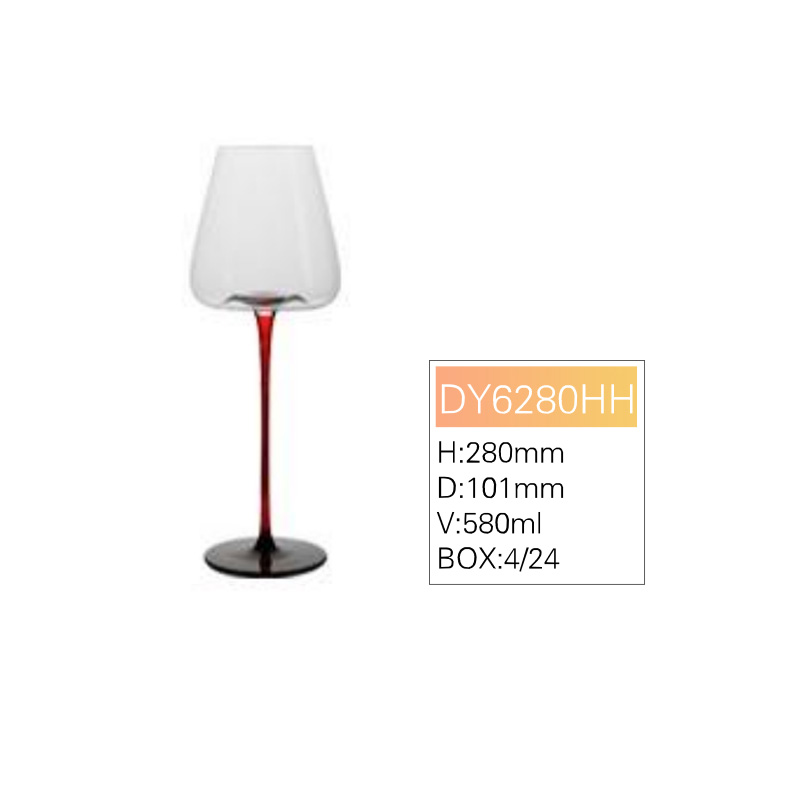 Beyond the Grape: The Delicate Art of Chinese Stemware Craftsmanship
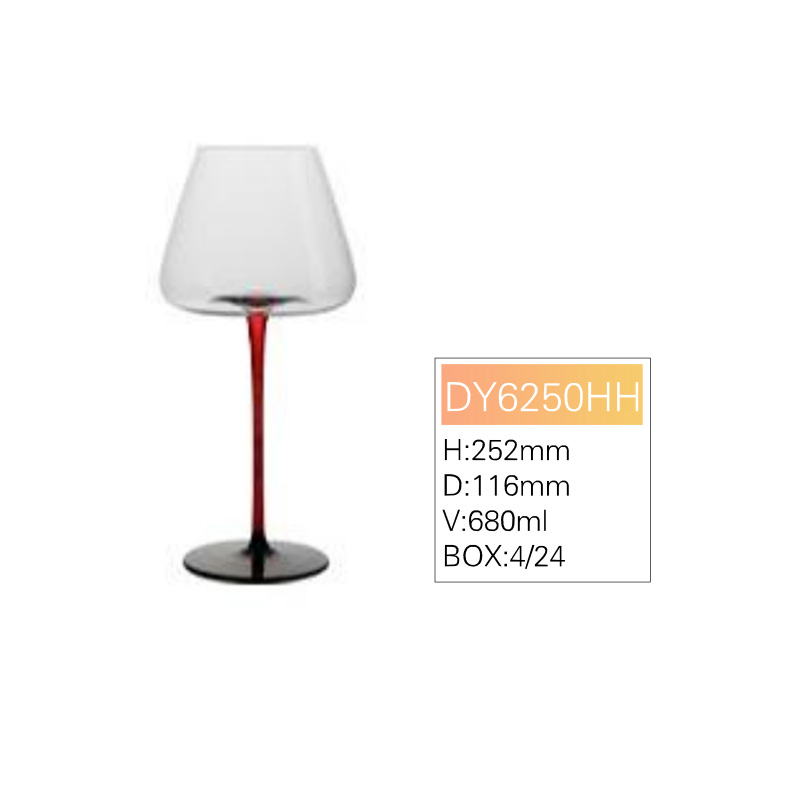 The Art of Color in China‘s Glass Cup Industry
 The Art of Clarity: A Deep Dive into the Craftsmanship of Glassware
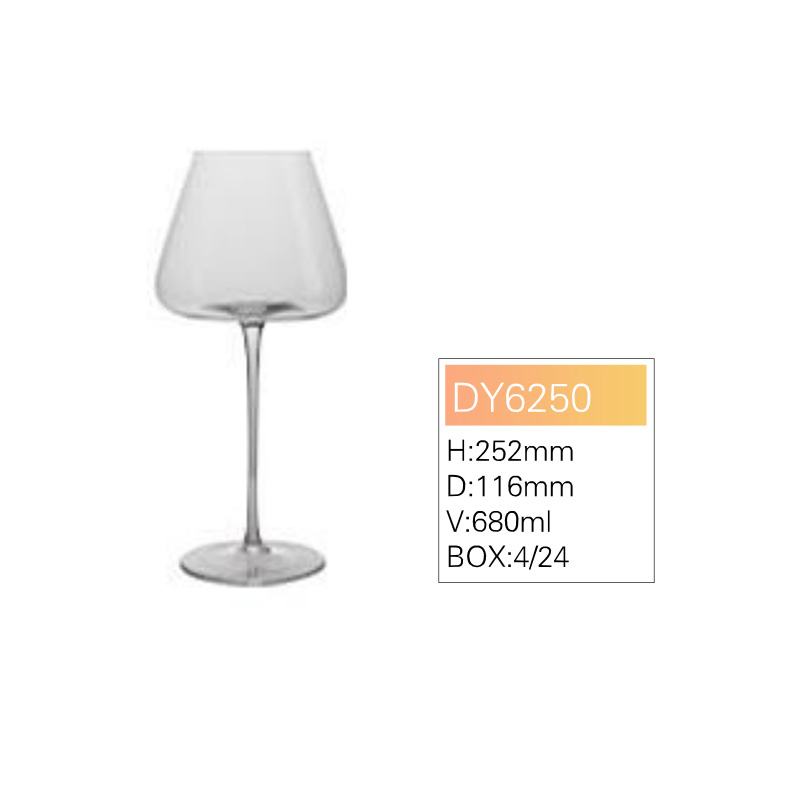 Raise Your Glass: A Guide to Glassware Materials and Types


