But a new generation of glassware is changing the game. One-piece wine glasses—also known as integrally stretched, seamless, or pulled-stem glasses—are crafted as a single, continuous form. The result is glassware that is stronger, more elegant, and increasingly in demand among discerning consumers and hospitality professionals alike.
According to industry data, the global glass drinkware market is projected to reach US$30.11 billion by 2033, driven by rising consumer spending and a shift toward premium, aesthetically appealing products. Within this growing market, one-piece wine glasses represent one of the most exciting innovation segments.
This guide explores what one-piece wine glasses are, why they matter, and how B2B buyers can source them effectively.
---
Part 1: What Is a One-Piece Wine Glass?
A one-piece wine glass is exactly what it sounds like—a wine glass where the bowl, stem, and base are formed from a single, continuous piece of glass. Unlike traditional wine glasses, which are crafted through separate processes and then fused together, one-piece designs are created in a single, continuous motion.
The Terminology
You may encounter several terms referring to this design:
Term Meaning
One-piece pulled stem The stem is pulled from the same glass as the bowl during the hot-forming process
Integrally stretched Glass is stretched during formation to enhance strength and clarity
Seamless No visible joints or fusion lines between components
一体成型 Chinese term for "one-piece formed"
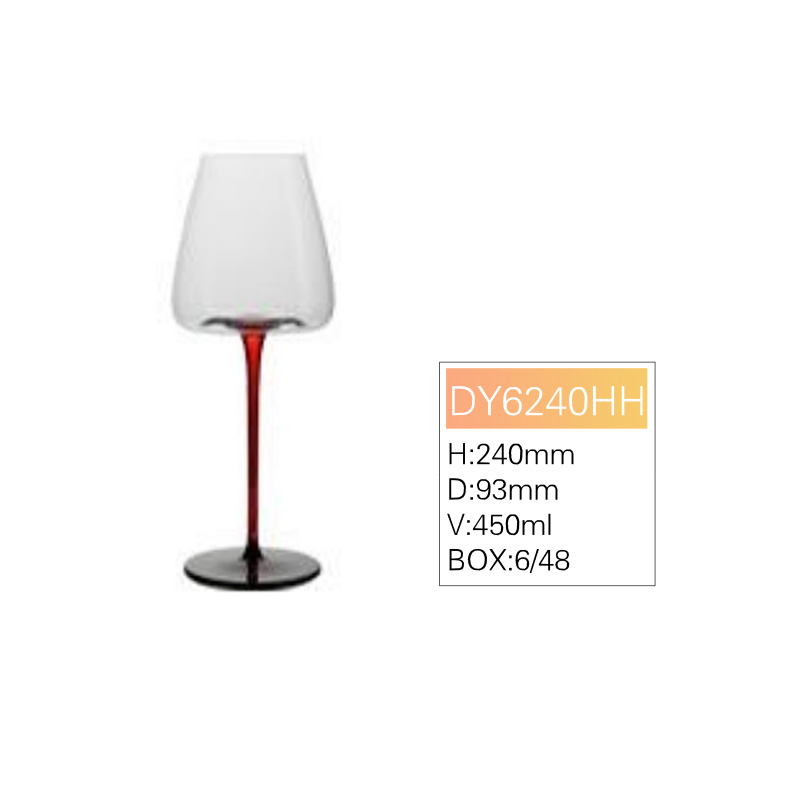
A one-piece pulled stem construction eliminates the weak joint found in most glasses, boosting durability without sacrificing elegance.
---
Part 2: The Manufacturing Process – How One-Piece Glasses Are Made
Traditional vs. One-Piece
Traditional Wine Glass One-Piece Wine Glass
Construction Bowl, stem, and base made separately, then fused All components formed from a single piece
Joint Visible fusion points No joints—completely seamless
Weak points Multiple (at fusion joints) Virtually none
Durability Moderate Significantly higher
The Integrally Stretched Process
The integrally stretched manufacturing technique involves several precise steps:
1. Melting and Forming – Raw materials (silica, soda ash, limestone) are melted into molten glass and formed into the desired shape
2. Stretching – The glass undergoes a stretching process that aligns its molecular structure, enhancing both strength and clarity
3. Annealing – The glass is gradually cooled in a controlled environment to relieve internal stresses
4. Hot Pulling – For pulled-stem designs, the stem is literally pulled from the same glass mass as the bowl during the hot-forming process
Some manufacturers use advanced techniques like laser beam cutting for the rim, achieving a very uniform and linear finish that meets the needs of wine professionals. The continuous nature of the process minimizes the risk of weak points or imperfections that can occur in conventional glass designs.
---
Part 3: Key Benefits of One-Piece Wine Glasses
1. Superior Durability
The elimination of fusion joints means fewer weak points where breakage can occur. One-piece wine glasses are less prone to chipping or breaking, making them ideal for both casual use and high-traffic hospitality environments. The stretching process increases resistance to breakage, ensuring your investment lasts longer.
2. Enhanced Aesthetics
A seamless design offers a perfectly smooth body contour that simply looks more refined. The optical clarity of integrally stretched glass is unparalleled, allowing wine to appear more vibrant. For brands positioning themselves in the premium segment, this visual advantage is significant.
3. Thermal Shock Resistance
Integrally stretched glass can withstand significant temperature f
luctuations without cracking or shattering. This makes it suitable for serving both red and white wines at their optimal temperatures without fear of damaging the glassware.
4. Lightweight Design
Despite its strength, one-piece glass is often lighter than traditional glass. This makes it easier to handle and pour, enhancing the overall experience of serving and enjoying wine.
5. Sensory Enhancement
The shape and thickness of one-piece glasses can influence how air interacts with the wine, promoting aeration and improving overall taste. An optimized shape enhances aroma and flavor for every red wine. These glasses aren't just aesthetically pleasing—they play a crucial role in elevating the wine tasting experience.


 From Flutes to Snifters: A Guide to the Many Types of Stemware
 Red Wine Glasses: A Guide to the Many Shapes and Why They Matter
 How to Identify a One-Piece Drawn Wine Glass: A Practical Guide for Wine Lovers


