The global glassware market is booming. Valued at approximately USD 16.2 billion in 2025, it is projected to grow at a CAGR of 7.4% to reach USD 30.8 billion by 2034. The glass drinkware segment alone is expected to reach US$30.11 billion by 2033. This growth is driven by rising consumer spending, urbanization, hospitality sector expansion, and a global shift toward eco-friendly, aesthetically appealing products.
For B2B buyers—whether you run a hospitality business, a retail brand, or an e-commerce operation—sourcing high-quality glass cups is not just a procurement task; it’s a strategic decision that impacts product quality, customer satisfaction, and your bottom line. China remains the world’s leading producer of glassware, accounting for over 60% of global production capacity. But navigating this vast landscape requires knowledge, due diligence, and a systematic approach.
This guide walks you through everything you need to know—from understanding manufacturing hubs to evaluating suppliers, testing quality, and managing risks.
---
Part 1: Understanding China’s Glassware Manufacturing Landscape
China’s dominance in glassware production stems from its advanced industrial infrastructure, skilled labor force, and well-established supply chains. However, not all regions are created equal. Each manufacturing hub offers distinct advantages:
Hebei Province – The “Glass Capital”
Often referred to as China’s glass capital, Hebei—particularly cities like Cangzhou and Huailai—is home to some of the most experienced and vertically integrated glass manufacturers. Factories here typically manage every stage of production, from raw material processing to packaging, enabling tighter quality control and lower per-unit costs at scale. This region is ideal for cost-efficient bulk production.
Guangdong Province – Innovation and Export Readiness
Guangdong (especially Guangzhou, Shenzhen, and Foshan) is known for innovation, design flexibility, and fast turnaround times. Proximity to major ports like Nansha and Shekou reduces logistics lead times significantly. Suppliers here excel in precision soda-lime and borosilicate glass production, making them ideal for heat-resistant drinkware, restaurant-grade tumblers, and double-walled designs. This region is best for premium quality and customization.
Zhejiang Province – Trend-Driven Design
Zhejiang, particularly Yiwu and Hangzhou, is renowned for its vast wholesale markets, agile small-to-midsize manufacturers, and focus on custom designs. It’s an ideal region for buyers seeking trendy, decorative glass cups with faster production cycles and lower minimum order quantities (MOQs).
Jiangsu Province – Precision Engineering at Scale
Jiangsu (Yangzhou and Huai’an) hosts vertically integrated factories equipped with automated forming lines and advanced annealing ovens. These facilities offer tight tolerances, consistent clarity, and superior thermal resistance—critical for commercial use in restaurants and hospitality.
Other Emerging Regions
Shanxi and Hunan are gaining traction as alternative sourcing destinations, particularly suitable for niche projects requiring moderate MOQs and specialized finishes such as hand-painted motifs or eco-friendly packaging.


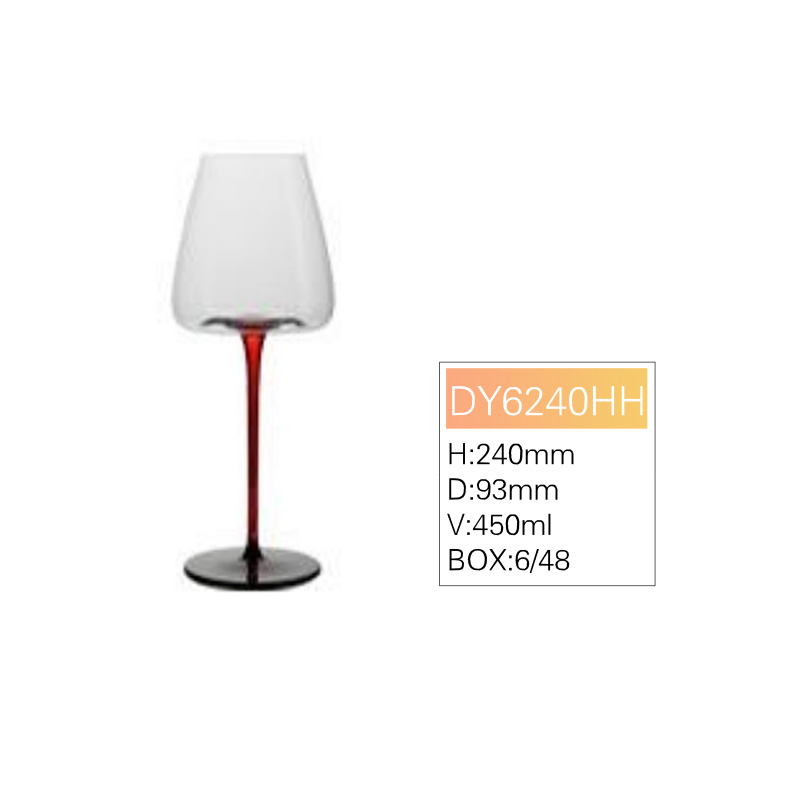 From Flutes to Snifters: A Guide to the Many Types of Stemware
 Red Wine Glasses: A Guide to the Many Shapes and Why They Matter
 How to Identify a One-Piece Drawn Wine Glass: A Practical Guide for Wine Lovers


