Technically, a goblet is a stemmed glass with a bowl and a foot. But in everyday language, people use “goblet” to describe almost any stemmed drinking glass. This guide covers the most common types of stemware, from red wine glasses to champagne flutes, cocktail coupes, and water goblets.
1. Red Wine Glasses
Red wine glasses are usually the largest and widest in the stemware family. Their size gives bold wines room to breathe.
Bordeaux glass – Tall with a large, straight-sided bowl that tapers slightly at the rim. Best for full-bodied reds like Cabernet Sauvignon, Merlot, Malbec, and Bordeaux blends.
Burgundy glass – Wide and balloon-shaped with a shorter stem and a flared rim. Best for light, aromatic reds like Pinot Noir, Gamay, and Nebbiolo.
Universal red wine glass – A medium-sized bowl that sits somewhere between Bordeaux and Burgundy. It works well for most medium-bodied reds, including Sangiovese, Tempranillo, Grenache, and red blends.
2. White Wine Glasses
White wine glasses are generally smaller than red wine glasses. A smaller bowl helps preserve the wine’s cooler temperature and concentrates its delicate aromas.
Chardonnay glass – Wider bowl, similar to a Burgundy glass but smaller. Good for full-bodied whites.
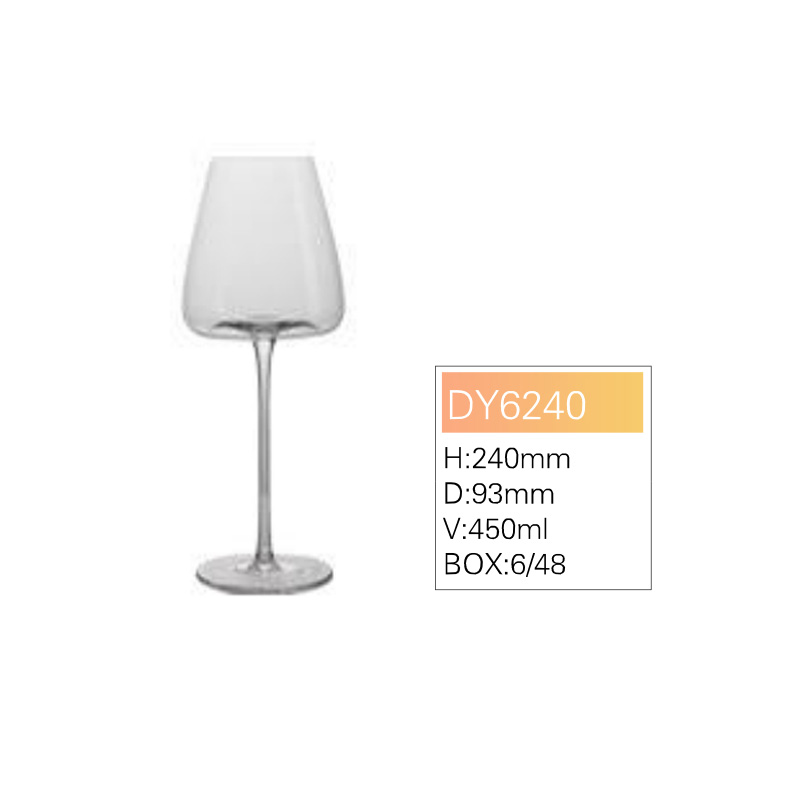
Sauvignon Blanc glass – Slightly narrower, with a tapered rim. Helps focus herbal and citrus notes.
Riesling glass – Tall and slender, often with a slightly flared rim. Ideal for aromatic, high-acid whites.
3. Rosé Glasses
Rosé glasses are often similar to white wine glasses, sometimes with a slightly wider bowl. They’re designed to balance fresh fruit aromas with a crisp finish. Many producers simply recommend a universal wine glass for rosé.
4. Sparkling Wine Glasses
Sparkling wine has its own dedicated stemware, and each shape tells a different story.
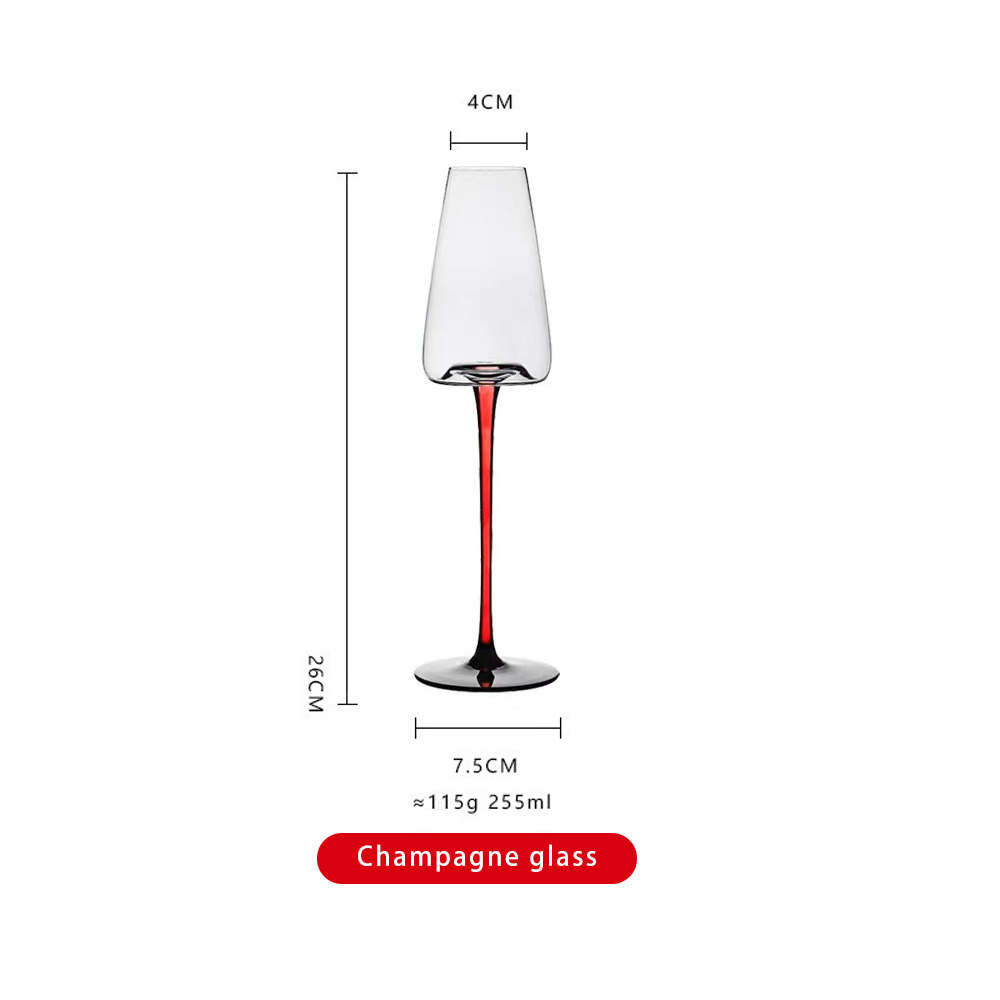
Champagne flute – Tall and narrow. The small surface area helps preserve bubbles, but it doesn’t release aroma as well as other shapes.
Champagne coupe – Wide and shallow with a short stem. Elegant and vintage, but bubbles fade faster. Great for champagne cocktails.
Tulip glass – A middle ground between a flute and a coupe. It preserves bubbles while still allowing aromas to develop. Many wine lovers consider it the best all-around sparkling wine glass.
5. Dessert Wine and Fortified Wine Glasses
These glasses are smaller because dessert and fortified wines are usually served in smaller pours and often have higher alcohol or sugar levels.
Dessert wine glass – Small, tulip-shaped bowl. Best for Sauternes, ice wine, Tokaji, and late-harvest wines.
Port glass – Small, tulip-shaped, with a short stem. Designed for Port and other fortified reds.
Sherry copita – A small, tulip-shaped glass with a narrow rim. Traditional for Sherry.
Madeira glass – Similar to a Port or Sherry glass, often slightly larger to highlight the wine’s complex aromas.
6. Cocktail Stemware
Cocktails served “up” without ice often come in stemmed glasses. The stem keeps the drink cold and your hands warm.
Martini glass – A iconic V-shaped cone with a long stem. Best for gin or vodka martinis, cosmopolitans, and other chilled cocktails.
Margarita glass – A wide, shallow bowl, often with a stem and a salt rim. Best for margaritas and frozen cocktails.
Coupe glass – A shallow, rounded bowl on a stem. Classic for champagne cocktails, daiquiris, sidecars, and Manhattans served up.
Nick & Nora glass – A small, rounded, upward-tapering glass. Popular for spirit-forward cocktails like the Manhattan or Martini.
Hurricane glass – Tall and curved, like a hurricane lamp. Best for tropical drinks like the Hurricane and Piña Colada.
Absinthe glass – A stemmed glass with a bowl, often with a line or reservoir to measure the absinthe. Used in the traditional absinthe ritual.
7. Spirits and Liqueur Glasses
Brandy snifter – A wide bowl that tapers toward the rim, usually with a short stem. Best for brandy, Cognac, and aged spirits. The shape traps aromas, and your hand can warm the bowl.
Cordial glass – A small stemmed glass, often with a tulip or flute shape. Best for liqueurs, digestifs, and strong sweet spirits.
Grappa glass – A small tulip-shaped glass, sometimes with a slightly flared rim. Best for grappa and other pomace brandies.
Aperitif glass – Small and stemmed, sometimes with a slightly flared rim. Best for vermouth, bitters, and light aperitifs.
8. Water and Dining Goblets
Not every goblet is for alcohol. Water goblets are a staple of formal dining.
Water goblet – A large bowl with a short stem. Used for water at restaurants and dinner parties.
Iced beverage goblet – Taller and heavier than a water goblet. Good for iced tea, lemonade, and soft drinks.
Beer goblet / chalice – A stemmed, wide-bowled glass. Best for Belgian ales, wheat beers, and other aromatic beers.
Tasting / ISO glass – A standardized tulip-shaped glass used in professional wine tastings. Neutral by design, it helps tasters compare wines
fairly.
9. Specialty Stemware
There are also many niche stemmed glasses, including:
· Julep cup – Usually metal, not glass, but sometimes stemmed versions exist.
· Poco grande – A tall, tapered glass used for tropical cocktails.
· Irish coffee glass – Usually stemmed and heat-resistant, with a handle sometimes.
· Chocolate or dessert glasses – Small stemmed glasses for layered desserts and after-dinner drinks.
Quick Cheat Sheet
Type Shape Best For
Bordeaux Tall, large, tapered rim Cabernet, Merlot, Malbec
Burgundy Wide, balloon bowl Pinot Noir, Nebbiolo
Universal Medium bowl Most red and white wines
White wine Smaller, tapered rim Chardonnay, Sauvignon Blanc
Champagne flute Tall, narrow Sparkling wine
Champagne coupe Wide, shallow Champagne cocktails
Tulip Medium, tulip-shaped Sparkling wine, dessert wine
Port Small, tulip-shaped Port, fortified wines
Sherry copita Small, narrow rim Sherry
Martini V-shaped cone Martinis, cosmos
Margarita Wide, shallow bowl Margaritas
Coupe Shallow, rounded Daiquiris, sidecars
Nick & Nora Small, rounded Spirit-forward cocktails
Hurricane Tall, curved Tropical drinks
Brandy snifter Wide, short stem Brandy, Cognac
Cordial Small, stemmed Liqueurs
Water goblet Large bowl, short stem Water, everyday dining
Beer goblet Wide bowl, stemmed Belgian ales
How to Choose Your Stemware
You don’t need every glass on this list. Most people can start with four essentials:
1. A universal wine glass – works for most reds, whites, and rosés.
2. A champagne flute or tulip glass – for sparkling wine.
3. A coupe or martini glass – for cocktails served up.
4. A water goblet – for everyday dining and entertaining.
From there, you can add specialized glasses as your interests grow. If you love Burgundy, buy a Burgundy glass. If you drink a lot of Port, get a set of Port glasses. If you host
cocktail parties, add Nick & Nora or coupe glasses.
Also consider material. Crystal is thinner, lighter, and often feels more elegant, but it can be more fragile and expensive. Regular glass is durable, affordable, and dishwasher-friendly. For everyday use, good glass is perfectly fine. For special bottles and occasions, crystal can elevate the experience.
Final Sip
Stemware comes in a dizzying variety of shapes, but each one exists for a reason. Some preserve bubbles. Some concentrate aroma. Some keep your hand from warming a chilled cocktail. And some are simply beautiful to look at.
The best goblet is ultimately the one you enjoy using. Start with a few versatile pieces, learn what you like, and build your collection from there. Whether you’re sipping a bold Cabernet, a crisp Champagne, or an ice-cold martini, the right glass can make the moment a little more memorable.


 Red Wine Glasses: A Guide to the Many Shapes and Why They Matter
 How to Identify a One-Piece Drawn Wine Glass: A Practical Guide for Wine Lovers


