For hotels, mastering the "glassware application" is an essential, yet often under-optimized, art. Here’s why and how the perfect stemware matters.
1. The Science of Sensation: It’s Not Just About Taste
Wine appreciation is a multisensory experience. A well-designed glass directs the aroma—the bouque—to the nose. The shape of the bowl influences how wine hits the palate, highlighting sweetness, acidity, or tannins.
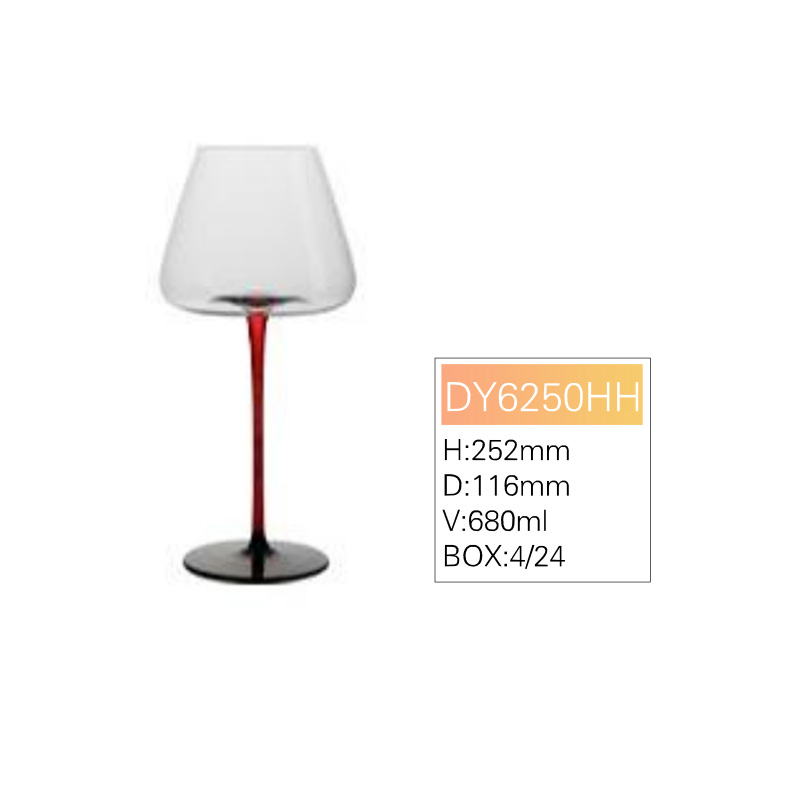
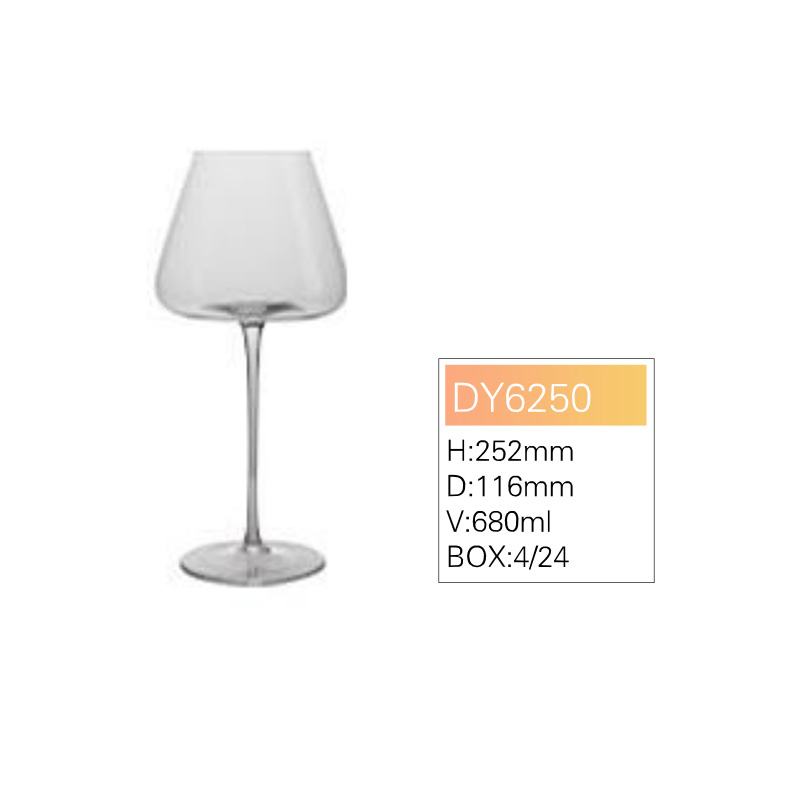
· Bordeaux Glass (Taller with a narrower bowl): Guides aromas upward, perfect for full-bodied reds like Cabernet Sauvignon, softening the tannic impact.
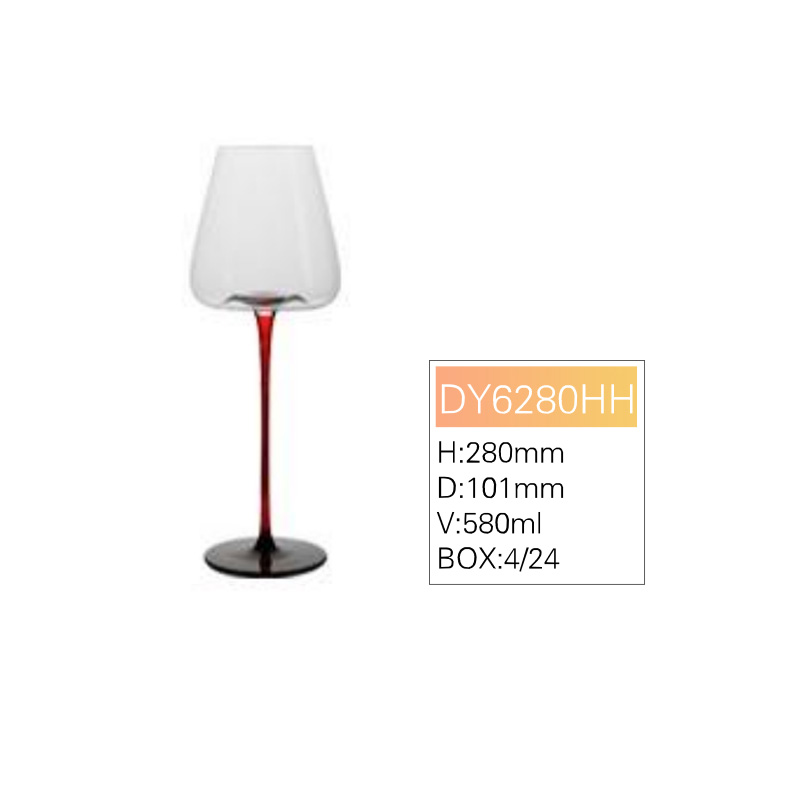
· Burgundy Glass (Wider, rounder bowl): Allows delicate aromas of wines like Pinot Noir to collect and bloom, while delivering the wine to the tip of the tongue to emphasize fruitiness.
· Universal White Wine Glass: Slightly narrower than red wine glasses to preserve cooler temperatures and concentrate delicate citrus and floral notes.
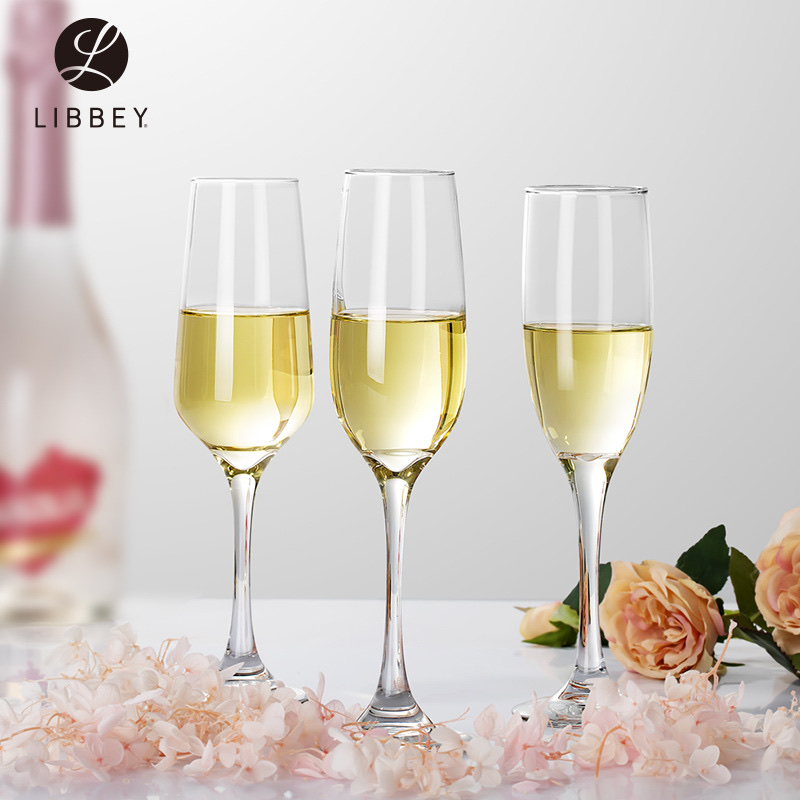
· Sparkling Flute or Tulip: The elongated shape preserves bubbles and offers a pinpoint aroma channel, though many experts now prefer a white wine glass for premium Champagne to better appreciate its complexity.
Hotel Application: A curated selection of these core shapes signals deep expertise. It tells the guest, "We care about presenting this wine as its maker intended."
2. The Psychology of Perception: Signaling Quality
The weight, clarity, and ring of a glass are immediate quality indicators. A thin, crystal-clear rim feels luxurious and allows wine to flow seamlessly onto the palate. A robust, clear stem feels substantial and elegant.
· The "Ping" Test: The clear ring of fine crystal when tapped is a subtle auditory cue of quality.
· Visual Clarity: Flawless, non-tinted glass showcases the true color and viscosity of the wine, adding to the visual appeal.
· Weight & Balance: A glass with a good heft in the base and stem feels premium and is less prone to tipping.
Hotel Application: Investing in high-quality, consistent glassware instantly elevates the entire dining or minibar experience. It transforms a simple in-room drink into a moment of luxury.
3. Practical & Versatile Hotel Strategies
Hotels need balance between variety and practicality.
· The Versatile All-Rounder: A large, quality "universal" glass (often resembling a Bordeaux shape) can competently serve most reds, whites, and even sparkling wines. This is ideal for room service, minibars, and busy restaurant bars to simplify logistics.
· The Specialized Collection: Fine-dining restaurants and bars within the hotel should boast a dedicated selection—Bordeaux, Burgundy, white wine, and sparkling glasses at a minimum.
· Branding Opportunity: Etching a subtle, elegant logo on the base of the stem (not the bowl) is a classy way to reinforce brand identity without interfering with the experience.
· Durability & Stock: Choose lead-free crystal that offers brilliance but can withstand commercial dishwashing. Maintain a disciplined par stock to avoid last-minute substitutions with mismatched glasses.
4. The Service Ritual: Completing the Experience
The glass sets the stage for impeccable service.
· Impeccable Polish: Streak-free, spotless glasses are non-negotiable. This requires proper washing, rinsing, and hand-polishing with lint-free cloths.
· Pre-Set Placement: In fine dining, glasses are placed in the order of use (water glass, then white wine, then red wine) from the guest's right.
· The Pour: Wine should only be poured into appropriate, clean glassware—never repurpose a water glass. The standard hotel pour (5-6 oz) ensures ample room for swirling.
Conclusion: An Investment in Intangible Value
In the competitive landscape of hospitality, the difference between good and exceptional often lies in these curated details. The right
red wine glass isn't an expense; it’s an investment in storytelling, sensory enhancement, and silent communication of your brand’s standards. It assures the oenophile that their passion is understood and elevates the casual drinker’s moment into something memorable.
Ultimately, when a guest raises a perfectly chosen, gleaming glass to the light, they’re not just tasting wine—they’re tasting the care and expertise of your hotel. And that is an experience worth toasting to.
What’s your take on hotel glassware? Have you ever had a wine experience transformed by the right glass? Share your thoughts below!


 Beyond the Grape: The Delicate Art of Chinese Stemware Craftsmanship
 The Art of Color in China‘s Glass Cup Industry
 The Art of Clarity: A Deep Dive into the Craftsmanship of Glassware
 Raise Your Glass: A Guide to Glassware Materials and Types


