In our daily lives, a drinking glass is an essential item that we use frequently. Whether it's for enjoying a refreshing glass of water, sipping on a hot cup of tea, or relishing a cold beverage, the right glass can enhance our drinking experience. However, when purchasing a drinking glass, there are several crucial details that we should pay attention to ensure both safety and functionality.
Material QualityThe material of the glass is of utmost importance. The most common type of glass used for drinking glasses is
soda - lime glass. It is affordable, widely available, and suitable for general use. Soda - lime glass is formed by combining silica, soda ash, and limestone. It has good clarity and is relatively durable for everyday use. However, it may be more prone to breakage compared to some other types of glass.
Another popular option is
borosilicate glass. This type of glass contains boron trioxide, which gives it excellent thermal shock resistance. Borosilicate glasses can withstand rapid temperature changes without cracking or shattering. This makes them ideal for use with hot beverages, as well as for transitioning from hot to cold temperatures, such as when adding ice to a hot drink. They are also more resistant to chemical corrosion, which means they are less likely to react with acidic or alkaline substances in your drinks, preserving the flavor and quality of the liquid.
Tempered glass is also worth considering. It undergoes a special heating and cooling process that makes it up to five times stronger than regular glass. Tempered glass is highly resistant to breakage from impacts and thermal stress. In the event that it does break, it shatters into small, relatively harmless pieces rather than sharp shards, reducing the risk of injury.
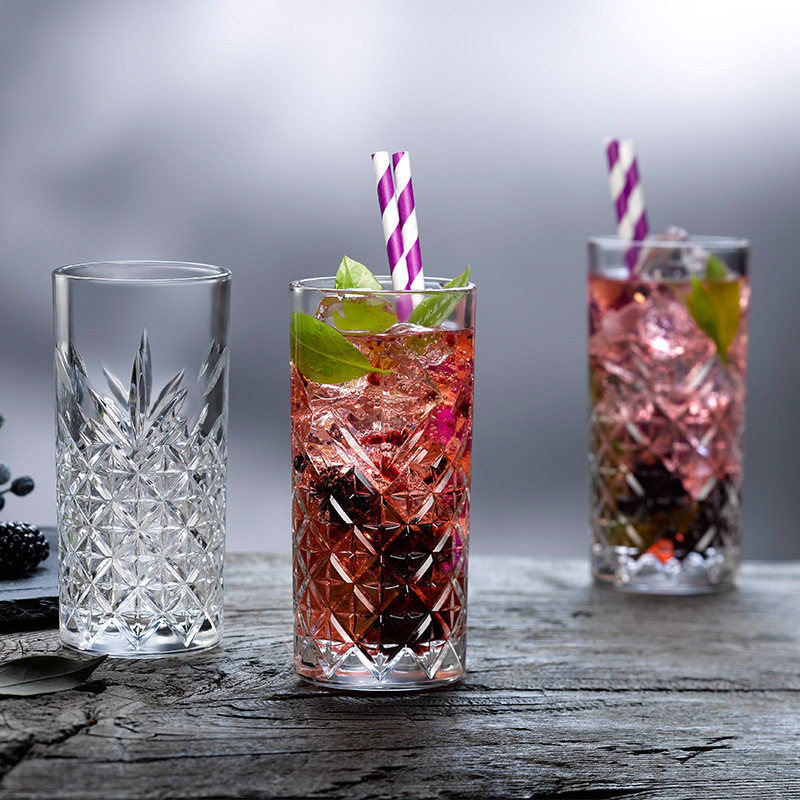 Size and Capacity
The size and capacity of the drinking glass are important factors based on your personal needs and usage scenarios. If you prefer to have a large quantity of water or other beverages at once, a glass with a larger capacity, such as 16 - 20 ounces or more, might be suitable. This is especially useful for those who are constantly on the go or have a high fluid intake throughout the day. On the other hand, if you mainly use the glass for sipping tea, coffee, or smaller servings of drinks, a smaller - capacity glass, perhaps 8 - 12 ounces, would be more appropriate.
The shape of the glass can also affect the perceived size and the way you drink. Tall, narrow glasses can give the illusion of a larger volume and are often used for serving cocktails or tall drinks. Short, wide - mouthed glasses are great for drinks like juice or for those who prefer a wider opening for easier drinking. Additionally, the size of the glass should be convenient to hold. A
glass that is too large or too small in diameter can be uncomfortable to grip, especially if you plan to hold it for an extended period.
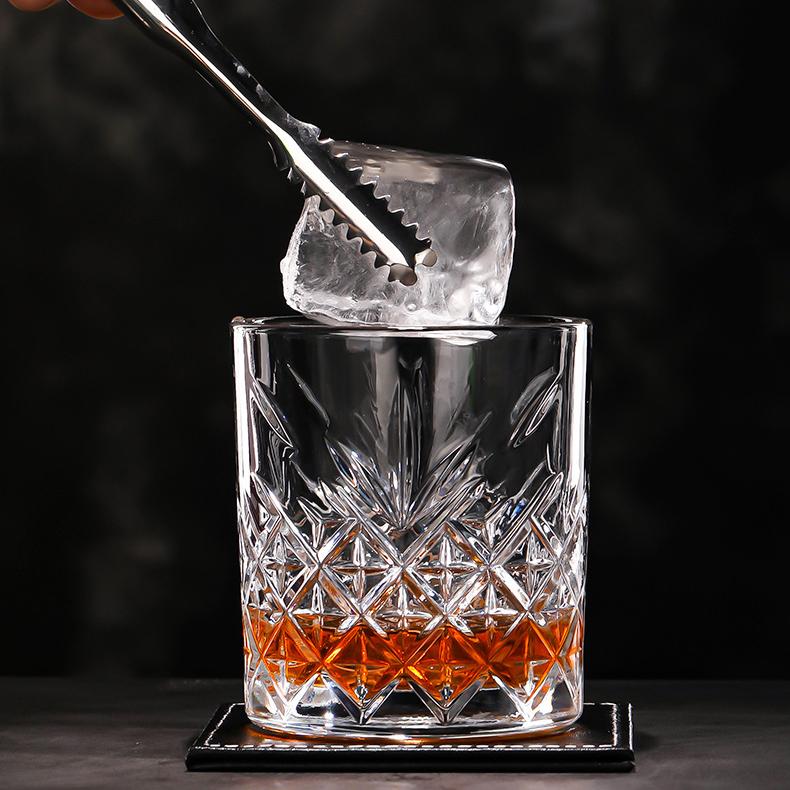
Design and AppearanceThe design and appearance of the drinking glass can enhance your overall drinking experience and add an aesthetic touch to your table setting. Some people prefer simple, minimalist designs that can blend well with any decor, while others may be drawn to more elaborate and decorative glasses.
Glasses with patterns, etchings, or colored accents can be visually appealing. However, when choosing glasses with such designs, it's important to ensure that the decorations are made from safe materials. Some colored glasses may use pigments that contain heavy metals, which could potentially leach into your drinks over time. Look for glasses that are labeled as food - safe and free from harmful substances.
The rim of the glass is also a part of the design that should not be overlooked. A smooth, well - finished rim provides a comfortable drinking experience. Rough or uneven rims can be unpleasant on the lips and may even cause minor cuts. Some glasses have a rolled - edge rim, which not only feels better but also adds an extra layer of durability to the glass.
 Ease of Cleaning
Cleaning the drinking glass is a regular task, so it's important to choose a glass that is easy to clean. Glasses with a simple, smooth interior and exterior are generally easier to wash. Avoid glasses with complex shapes, narrow necks, or hard - to - reach crevices, as these can trap dirt, residue, and bacteria, making them difficult to clean thoroughly.
Dishwasher - safe glasses are a convenient option for many people. However, not all glasses are suitable for dishwasher use. Some delicate glasses or those with special coatings may be damaged in the dishwasher. Always check the manufacturer's instructions to ensure that the glass can withstand the high water pressure, temperature, and harsh detergents used in dishwashers. If you prefer to hand - wash your glasses, look for ones that are comfortable to hold while cleaning and that don't require excessive scrubbing to remove stains or odors.
Safety FeaturesSafety should be a top priority when choosing a
drinking glass. As mentioned earlier, tempered glass and borosilicate glass offer enhanced safety in terms of breakage and thermal resistance. In addition, make sure that the glass does not have any visible cracks, chips, or flaws. Even a small crack can compromise the structural integrity of the glass and increase the risk of breakage, which could lead to injury.
Some glasses come with additional safety features, such as non - slip bases. These are especially useful if you have children or if you plan to use the glasses on slippery surfaces. A non - slip base can prevent the glass from accidentally sliding off the table or counter, reducing the risk of breakage and potential injury from shattered glass.
Brand and ReputationWhen purchasing a drinking glass, it's beneficial to choose a reputable brand. Well - known brands often have strict quality control measures in place to ensure that their products meet high standards of safety and durability. Reading customer reviews and ratings can also provide valuable insights into the quality and performance of the glass. Other users' experiences can help you avoid glasses that may have common issues, such as easy breakage, difficulty in cleaning, or safety concerns.
In conclusion, buying a
drinking glass requires careful consideration of several details. From the material quality and size to the design, ease of cleaning, safety features, and brand reputation, each aspect plays a crucial role in ensuring that you get a glass that not only meets your functional needs but also provides a safe and enjoyable drinking experience. By paying attention to these details, you can select a drinking glass that will serve you well for a long time, whether it's for everyday use or for special occasions.


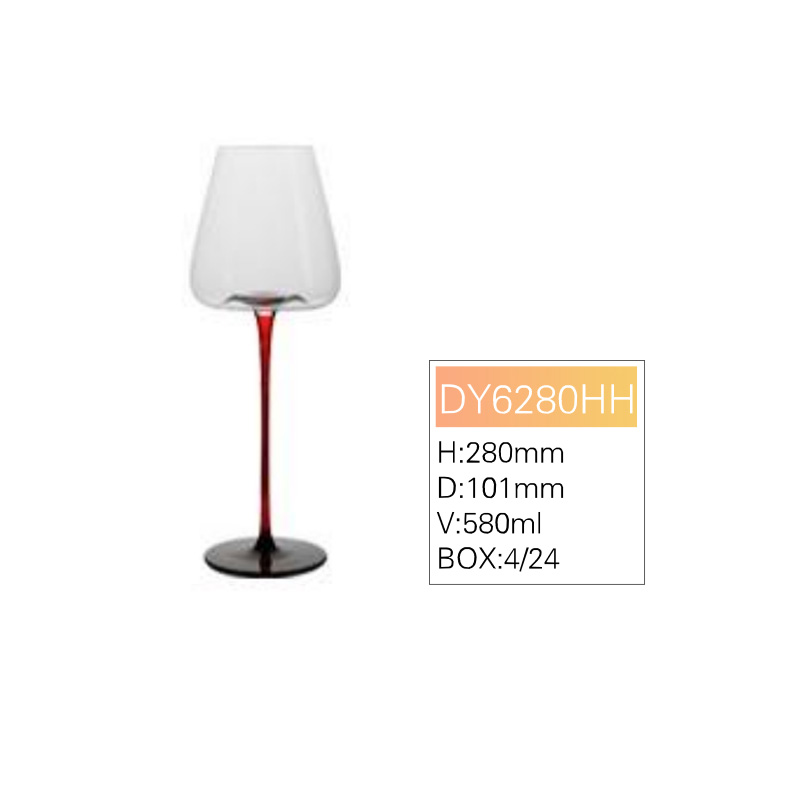 Beyond the Grape: The Delicate Art of Chinese Stemware Craftsmanship
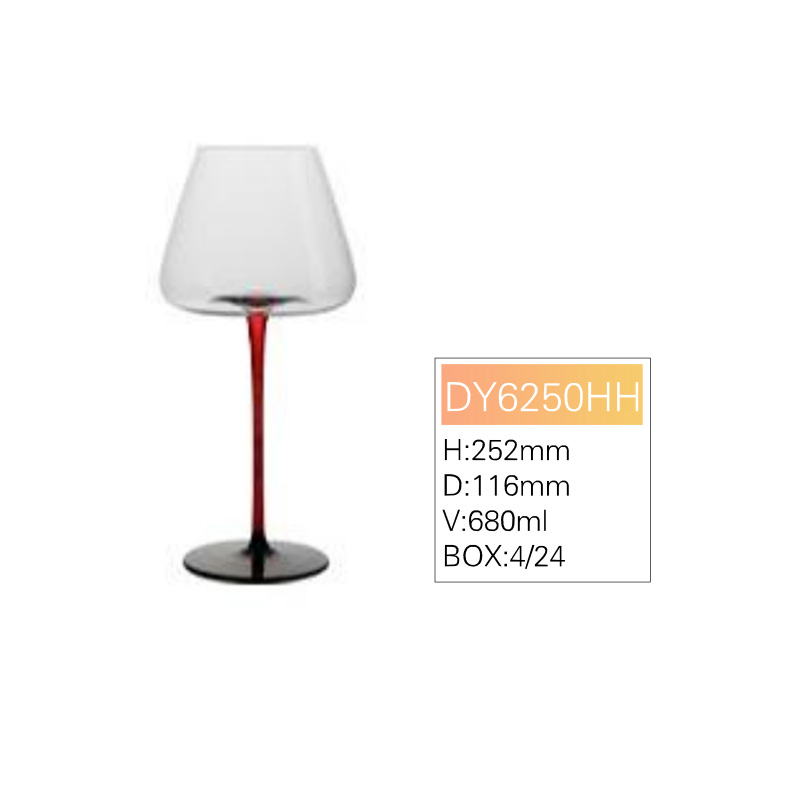 The Art of Color in China‘s Glass Cup Industry
 The Art of Clarity: A Deep Dive into the Craftsmanship of Glassware
 Raise Your Glass: A Guide to Glassware Materials and Types


