


Lead-free crystal glass is really lead-free?
When the glass is blown, a certain amount of metal lead is added, and the glass is commonly called a crystal glass. Drinking wine is very suitable for crystal glass. After adding metal lead, the microscopic surface structure of crystal glass is no longer smooth and smooth like ordinary glass. This kind of structure makes the wine with more area to contact the air and accelerate the oxidation process of the wine. It can be observed through the microscope that the surface of the crystal glass has more uneven surfaces, and the wine is more conducive to breaking the aroma of the wine molecules during the shaking of the wine glass; with the champagne, the performance of the bubbles will be more excellent, on the wall of the cup. The concave and convex surface can permanently hang the foam of the wine body. The foam is the soul of the champagne wine, and the crystal wine glass can delay the release process of the champagne foam.
Those containing 24% lead or more are called lead crystals, and those below 24% are called lead crystals. The benefits of lead are heavier, textured, more transparent, clear and bright; and the glass material has a high refractive index, looks crystal-clear, and has a metallic sound when struck, which is beautiful and pleasant. Known as crystal glass. This kind of glass material is also more expensive, and it is generally used in crafts.
We can distinguish between crystal glass and ordinary glass in terms of sound, feel and gloss.
1. Sound, tap the glass cup with your fingers. Because the crystal glass can make a metal sound, it sounds more pleasant.
2, feel, crystal glass is thicker and heavier, compared with ordinary glass, there are obvious differences.
3, tongue, crystal glass even in the summer with the tip of the tongue will have a cold and cool feeling, and vice versa.
4, luster, crystal glass's refractive index is particularly good, and can absorb the gloss, put the glass in the sun, no matter which angle you will release beautiful brilliance.
Since there are no national standards for crystal glass in our country, many companies are producing according to EU standards. The crystal glass is divided into three types: lead-free, medium-lead and high-lead. Lead lead glass has a lead oxide content of 24%; high lead glass has a lead oxide content of 36%. Crystal glass containers are produced in accordance with EU standards and should be safe for the human body. However, due to the lack of standards in China, it is impossible to rule out the arbitrariness of individual manufacturers and the difficulty in ensuring product quality.
Because leaded crystal glass has insufficient acid resistance, when lead acid is encountered, metal lead will dissolve and lead to human lead poisoning. In recent years, lead-free crystal glass has sprung up everywhere, and its price is higher than that of lead-containing crystal glass. In lead-free crystal cups, using lead, zinc, titanium, etc. instead of metal lead, the following methods can be used to distinguish leaded and lead-free glass:
1.lead-free crystal cups appear slightly thicker than leaded cups.
2.The sound of the lead-free crystal cup after tapping, beyond the metal texture of the lead-containing cup, is more pleasant and pleasant, and has a reputation as a music cup.
3. Lead-free crystal cups have higher toughness and impact resistance than leaded cups.
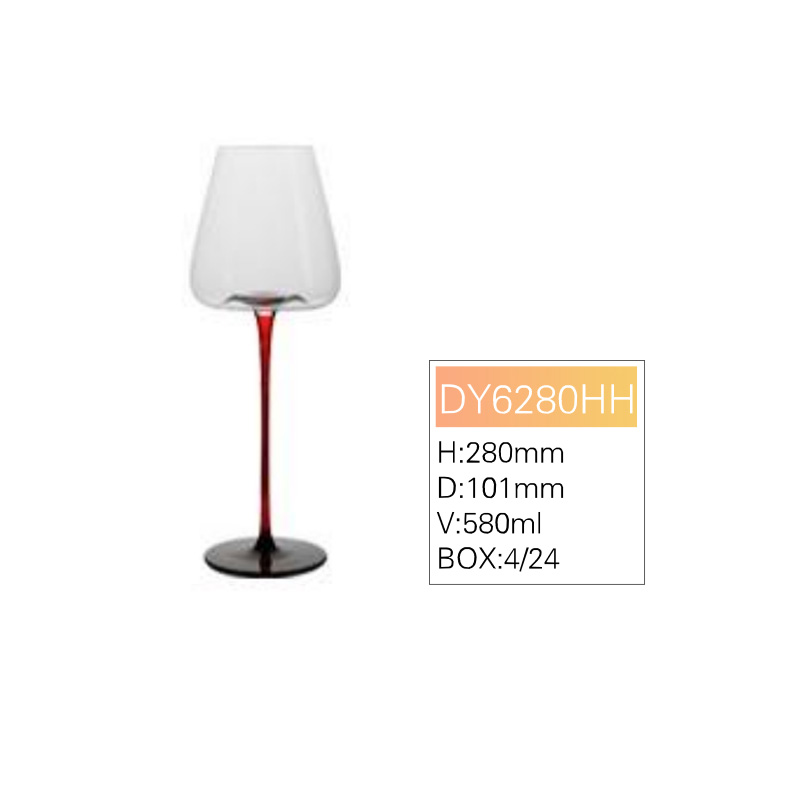 Beyond the Grape: The Delicate Art of Chinese Stemware Craftsmanship
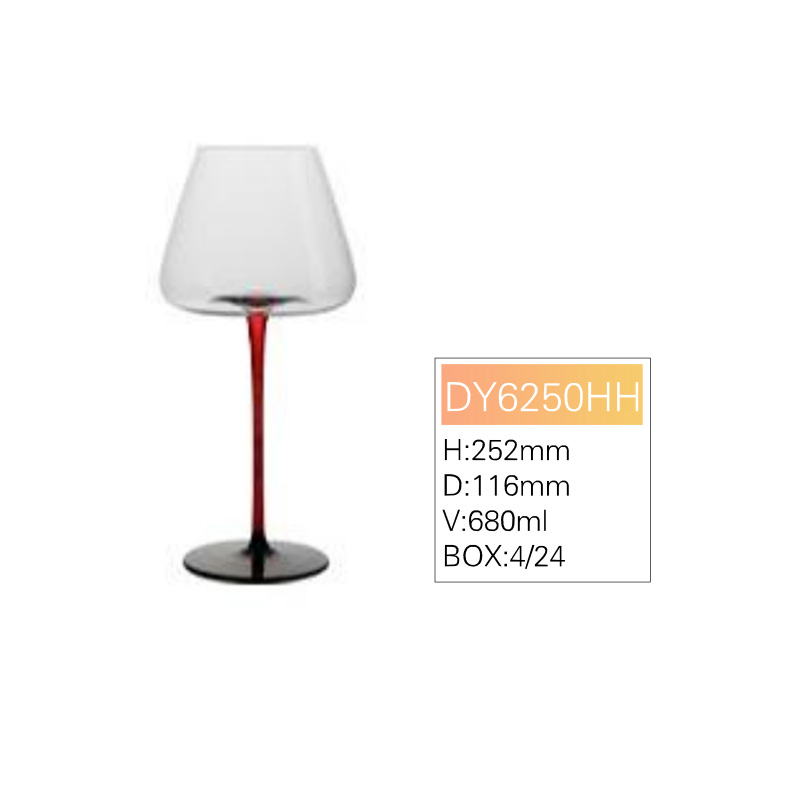 The Art of Color in China‘s Glass Cup Industry
 The Art of Clarity: A Deep Dive into the Craftsmanship of Glassware
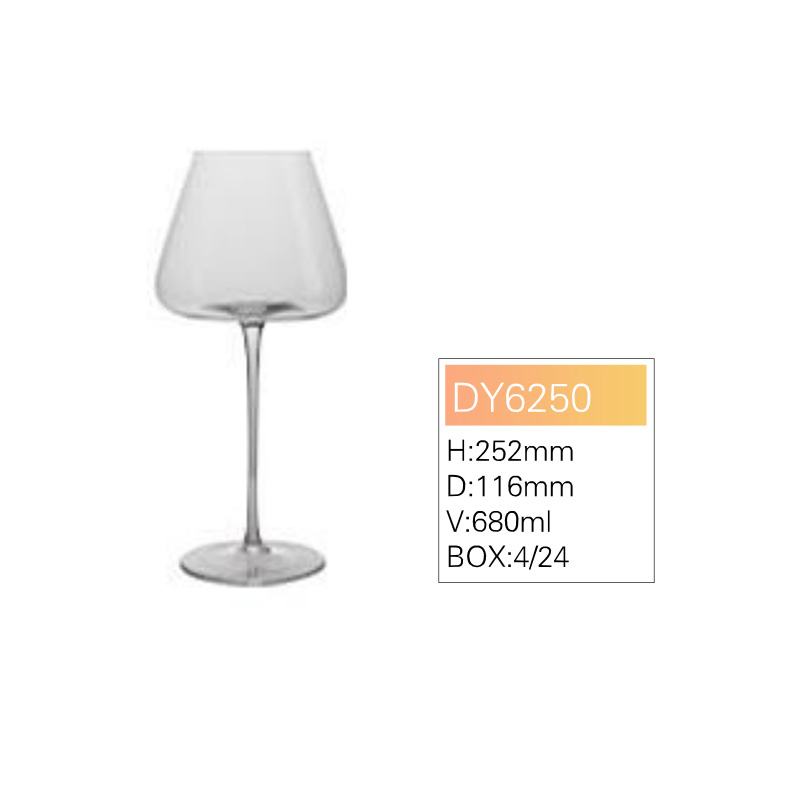 Raise Your Glass: A Guide to Glassware Materials and Types


Guangzhou HeXie Glass Co., Ltd.
Address: No. 22, Building 53, Haotai Hotel Supplies Expo City, Yingbin Road, Luopu Street, Panyu District, Guangzhou
Tel: +86-18011970645
Email: info@hexieglass.com
https://www.hexieglass.com


