The Classic Fine-Dining Temple:
Precision & EleganceThe Style: Think white tablecloths, hushed tones, and meticulously arranged dishes that resemble art. The focus here is on tradition, exceptional quality, and a seamless, luxurious service experience.
- The Glassware: This is the domain of crystal-clear, thin-lipped, stemmed glasses. You’ll find a specialized glass for everything: a broad-bowled Burgundy glass for delicate Pinot Noir to capture its earthy aromas, a taller Bordeaux glass for Cabernet to direct the wine to the back of the palate, and elegant U-shaped Champagne flutes (or increasingly, the superior white wine glasses for prestige cuvées) to preserve bubbles and focus aromatics.
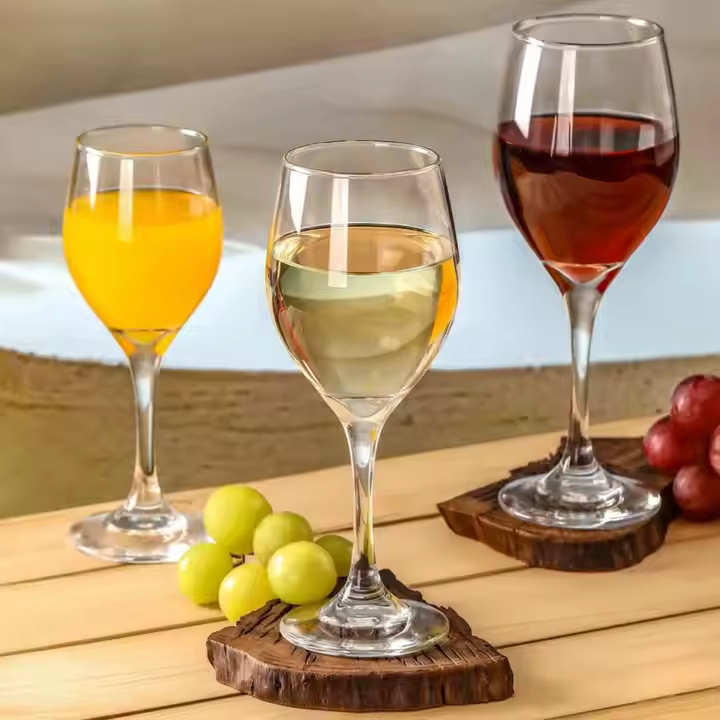
Why it Works: The delicate stem prevents hand warmth from affecting the temperature of the drink. The thin rim ensures a smooth, uninterrupted flow, making every sip feel refined. The array of shapes showcases the restaurant’s dedication to precision and honors the nuanced profiles of high-end beverages. It whispers, "Every detail has been considered for your pleasure."
2. The Modern Bistro & Trendy Gastropub: Rustic Charm & Function
The Style: Exposed brick, shared tables, a buzzing, energetic vibe. The food is often hearty, inventive, and meant for sharing. The beverage list leans towards natural wines, craft beers, and creative cocktails.
The Glassware: Here, versatility and character rule. You’ll see sturdy, medium-weight stemless wine glasses or simple-stemmed universal glasses—one shape that works reasonably well for both reds and whites. Mason jars, tumblers, and thick-based pint glasses for craft beers are common. The look is less about delicate perfection and more about approachable functionality.
Why it Works: Stemless glasses are less prone to tipping in a crowded, lively setting. The robust feel matches the rustic, unfussy food. This choice communicates a relaxed, accessible philosophy where the experience is about conviviality and flavor, not rigid ceremony.
3. The Minimalist & Modernist Haven: Sleek Geometry
The Style: Clean lines, open spaces, monochromatic or neutral palettes, and culinary presentation that embraces negative space. The experience is about stripping away the non-essential.
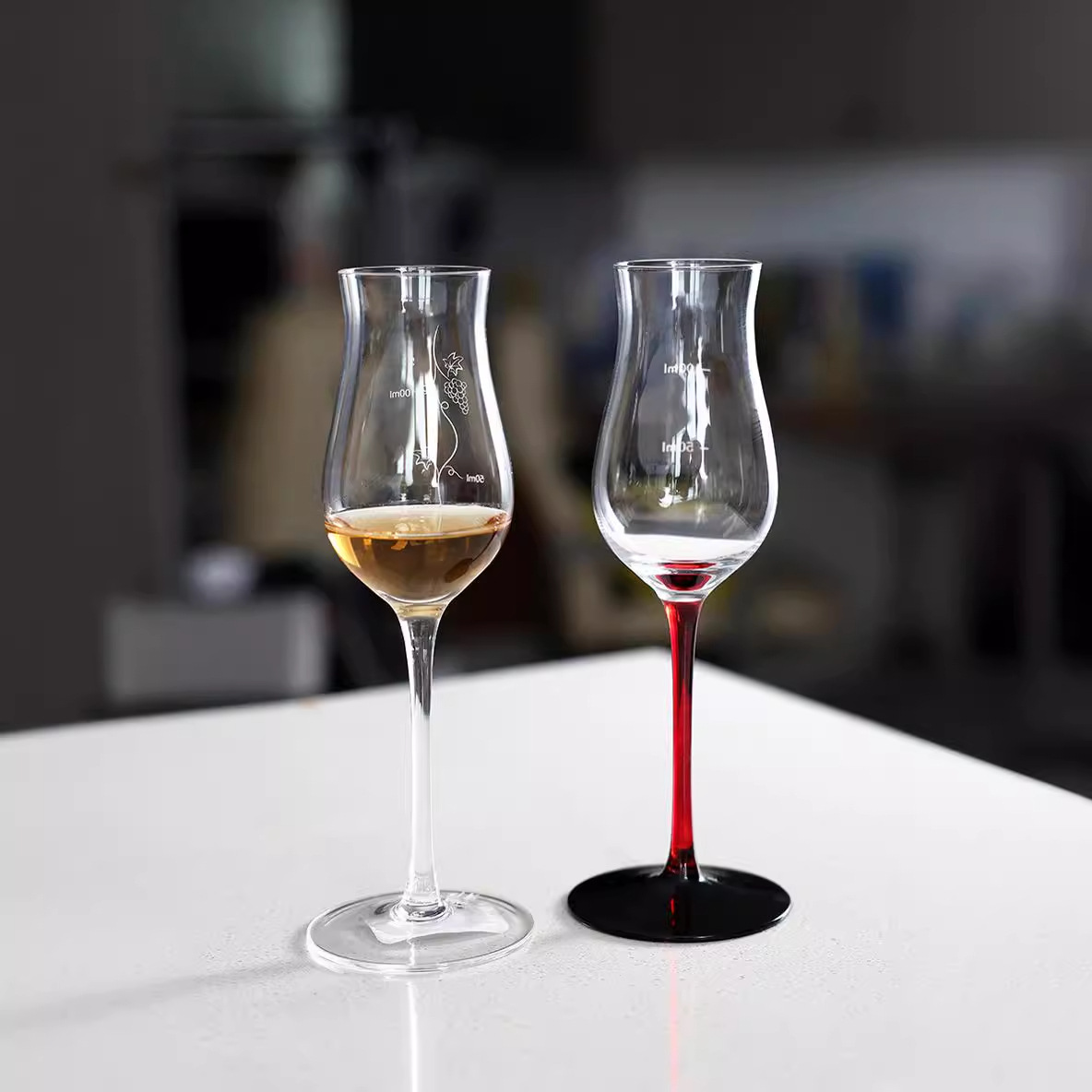
The Glassware: The glasses are architectural. Think ultra-thin, cylindrical tumblers, angular wine glasses with minimal stems, or geometric carafes. Color is often absent; clarity and form are everything. Brands like Núñez y Cortés or menu-specific custom glassware might feature.
Why it Works: The glassware becomes a sculptural element on the table, complementing the restaurant's aesthetic. Its simplicity doesn’t compete with the food’s avant-garde presentation. The experience is curated, cool, and intellectually engaging—the glass feels like a designed object.
4. The Rustic Farmhouse or Vineyard Restaurant: Earthy Authenticity
The Style: Located in the countryside or evoking it with reclaimed wood, stone, and warm lighting. The narrative is "field-to-table," emphasizing local, seasonal produce and wines.
The Glassware: Expect hand-blown glasses with slight imperfections, green-tinted glass (reminiscent of old-world wineries), or simple stemmed glasses with a noticeable, rustic lip. They feel substantial and grounded.
Why it Works: The handmade, imperfect quality tells a story of craftsmanship and terroir. It connects you directly to the land and the artisan. A green-tinted glass for a local red wine feels authentic and unpretentious, perfectly matching the earthy, honest flavors on the plate.
5. The Thematic or Experience-Driven Restaurant: Theatrical Flair
The Style: From tiki bars and speakeasies to immersive fantasy-themed venues. The goal is total escapism and storytelling.
The Glassware: This is where creativity explodes. Sculpted tiki mugs, copper Moscow mule mules, smoky cloches for mezcal, or even drink-specific vessels shaped like treasure chests or light-up ice cubes. The glassware is a central part of the show.
Why it Works: The vessel immediately transports you into the narrative. It’s Instagram-ready and creates a memorable, multisensory experience. The drink and its container are inseparable partners in theater, prioritizing fun, surprise, and shareability over traditional tasting mechanics.
The Takeaway: It’s All About Intention
Next time you sit down at a restaurant, take a moment to hold your glass. Its weight, shape, and clarity are not accidents. They are a deliberate cue, setting expectations and enhancing your perception. A fine crystal glass focuses aromas, making a Burgundy more expressive. A heavy rocks glass grounds a bold, peaty Scotch. A whimsical tiki mug promises a party.
The most thoughtful restaurants understand that the journey to the palate begins with the eyes and the hand. By harmonizing their aesthetic and culinary vision with the perfect vessel, they complete the circle of experience, turning a simple drink into an integral chapter of the meal’s story. So, raise a glass—whatever its form—to the details that make dining out an art.


 Beyond the Grape: The Delicate Art of Chinese Stemware Craftsmanship
 The Art of Color in China‘s Glass Cup Industry
 The Art of Clarity: A Deep Dive into the Craftsmanship of Glassware
 Raise Your Glass: A Guide to Glassware Materials and Types


