The Raw Materials: A Precise Formula
The journey of Baiyu glass begins with a carefully balanced recipe of raw materials. The primary ingredients are quartz sand and crushed glass. These are combined with a range of auxiliary materials, including borax, soda ash, calcium carbonate, potassium carbonate, zinc oxide, alumina powder, and barium carbonate. A key component is the addition of opacifiers—such as fluoride (like fluorspar or cryolite) or phosphate—which are crucial for creating the glass's signature milky, opaque appearance.
The Step-by-Step Process
The creation of Baiyu glass is a precise, high-temperature journey consisting of several critical stages:
· 1. Batching and Mixing: All raw materials are meticulously weighed according to the specific formula and then mixed thoroughly until the blend's uniformity exceeds 95%.
· 2. Melting: The homogeneous mixture is fed into a furnace and heated to an intense 1510-1530°C. This extreme heat melts the materials into a liquid glass, free of bubbles and stones. The molten glass is then cooled to about 1300°C to prepare it for the next stage.
· 3. Forming: The viscous glass is shaped into its final form. The specific temperature for forming is critical, typically between 980-1120°C. Depending on the product, it can be shaped using molds, automatic pressing machines, or centrifugal forming machines.
· 4. Polishing: After forming, the product's sharp edges and seams are smoothed and polished using a flame. The glass is maintained at a temperature of around 500°C during this step to prevent it from cracking due to thermal shock.
· 5. Annealing: The formed glass is transferred to an annealing lehr to
relieve internal stresses. The product is carefully cooled in a controlled manner, starting from 530-560°C, then gradually down to 300-520°C, and finally to room temperature. This slow cooling is essential for the glass's long-term durability.
· 6. Tempering (Optional): For enhanced strength and safety, the annealed glass may undergo a final tempering process. This makes the final product significantly more resistant to impact and thermal shock.
The Science Behind the Opal Effect
The milky, opaque character of Baiyu glass is achieved by introducing tiny particles into the glass that scatter light. This is typically done by adding opacifiers like fluorides (e.g., fluorspar or cryolite) or phosphates during melting. These additives form microscopic crystals within the glass as it cools. When light hits these particles, it is scattered in all directions, creating the soft, diffused glow that mimics the appearance of natural jade or opal. Modern advancements have also developed eco-friendlier opacifiers using zirconium oxide to reduce environmental impact.

Applications and Advantages
Baiyu glass is highly valued for its unique combination of beauty and practicality. The manufacturing process results in a material that is:
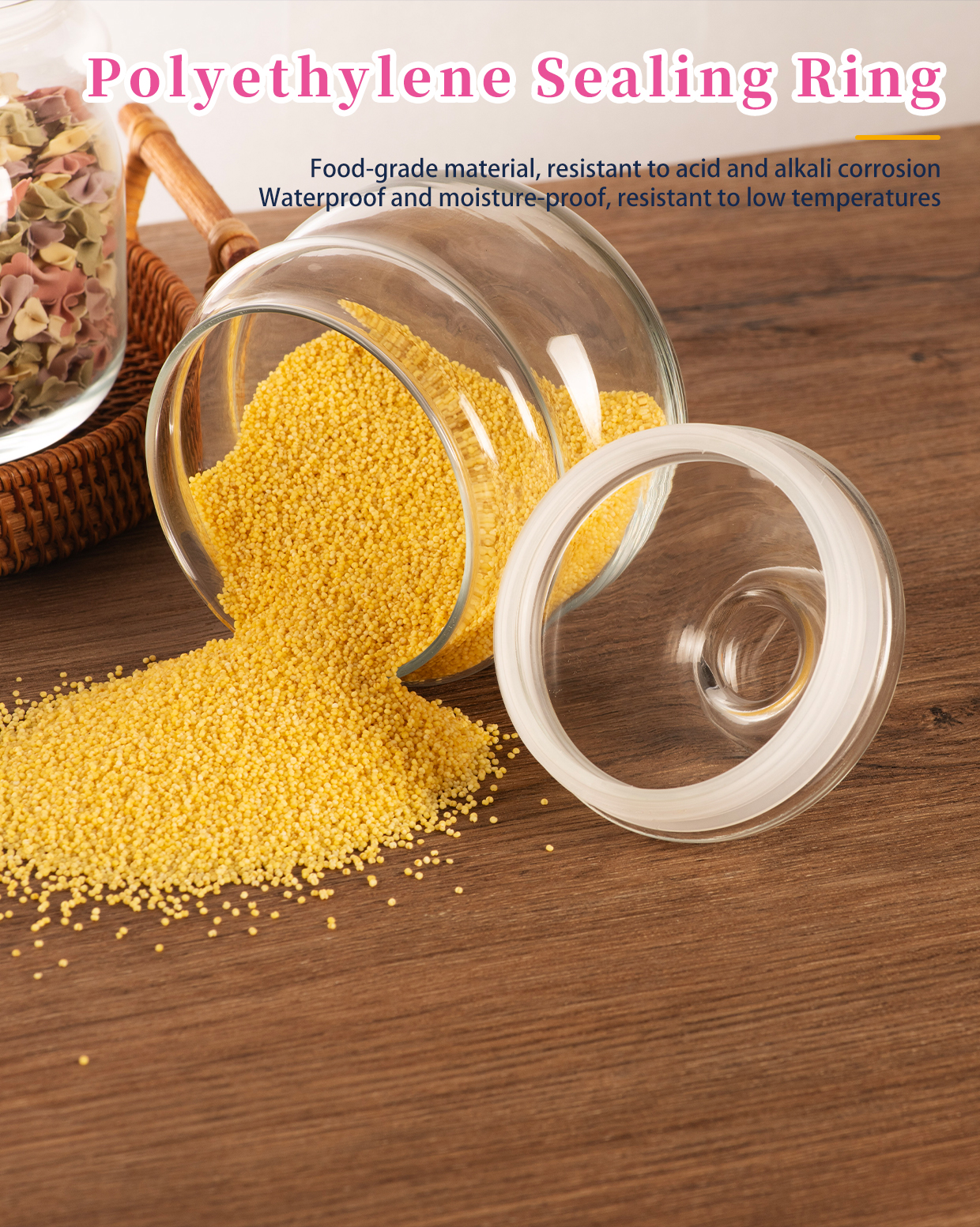
· Aesthetically Pleasing: Its jade-like luster and soft translucence make it a popular choice for premium tableware and decorative items.
· Durable: It is more robust than ordinary glass and less prone to chipping.
· Safe: High-quality Baiyu glass is non-toxic, free from harmful heavy metals like lead and cadmium, and is often microwave and dishwasher safe.
From a simple mixture of sand and minerals to a beautifully crafted piece, the manufacturing of Baiyu glass is a testament to the blend of art and science, creating a material that is as durable as it is elegant.


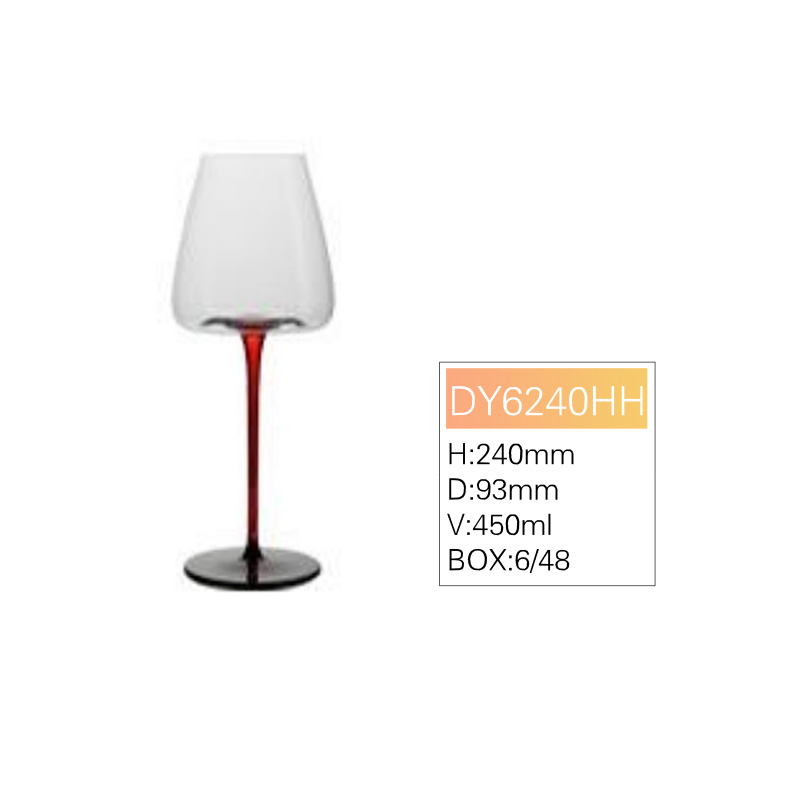 From Flutes to Snifters: A Guide to the Many Types of Stemware
 Red Wine Glasses: A Guide to the Many Shapes and Why They Matter
 How to Identify a One-Piece Drawn Wine Glass: A Practical Guide for Wine Lovers


