Let’s explore how different glass materials serve different moments in our lives.
1. Soda-Lime Glass: The
Everyday ChampionWhat it is: The most common type of glass, made from silica, soda ash, and limestone. It’s durable, affordable, and often used for everyday drinkware and jars.
The Vibe: Casual, resilient, and unpretentious.
· Perfect for: Weekday mornings, family dinners, picnics, casual get-togethers, and busy restaurants.
· Why it works: You can toss it in the dishwasher, it’s unlikely to chip easily, and you won’t cry if one breaks. It’s the workhorse of the glassware world—think thick-bottomed juice glasses, sturdy pint glasses for beer, and simple water tumblers.
· The Trade-off: It tends to be thicker with a less refined rim, which can slightly dull the tasting experience for nuanced beverages.
2. Crystal (Lead Crystal): The Elegant Performer
What it is: Traditional crystal contains lead oxide (typically 24% or more), which gives it that legendary brilliance, weight, and clear "ping." It’s softer and more refractive than standard glass.
The Vibe: Luxurious, formal, and celebratory.
· Perfect for: Fine dining, formal dinners, anniversaries, toasts, and when you want to impress.
· Why it works: The lead content allows for thinner, more delicate construction with intricate cuts. This results in a thinner rim that delivers liquid smoothly to the palate, enhancing the taste of wines and spirits. Its brilliance catches the light, adding sparkle to the table.
· Note: Due to health concerns with lead leaching (rare with modern, short-term use), many are opting for lead-free alternatives for regular use. It’s also hand-wash only.
3. Lead-Free Crystal: The Modern Classic
What it is: Uses other metal oxides like magnesium or zinc to achieve crystal-like qualities without lead. It offers great clarity and thinness but is often slightly lighter and less "ringy" than traditional crystal.
The Vibe: Sophisticated, contemporary, and health-conscious.
· Perfect for: Everyday elegance, wine enthusiasts who drink frequently, modern table settings, and anyone who prefers dishwasher-safe luxury.
· Why it works: It bridges the gap between everyday and formal. You get the superior thinness and clarity that enhances aromas and flavors, but with often greater durability and dishwasher safety. It’s the choice for a beautiful Tuesday night dinner that feels special.
4. Borosilicate Glass: The Tough & Trendy
What it is: Made with boron trioxide, famous for its high resistance to thermal shock (think: from freezer to oven).
The Vibe: Retro, durable, and functional.
· Perfect for: Craft cocktails, iced coffee, hip bars, kitchen measuring cups, and vintage-style décor.
· Why it works: It’s incredibly strong and often has a unique, slightly modern or mid-century look. Its thermal properties mean it keeps cold drinks cold without sweating excessively and won’t crack from temperature changes. Perfect for a Negroni served over a large, clear ice cube where the glass itself is part of the aesthetic.
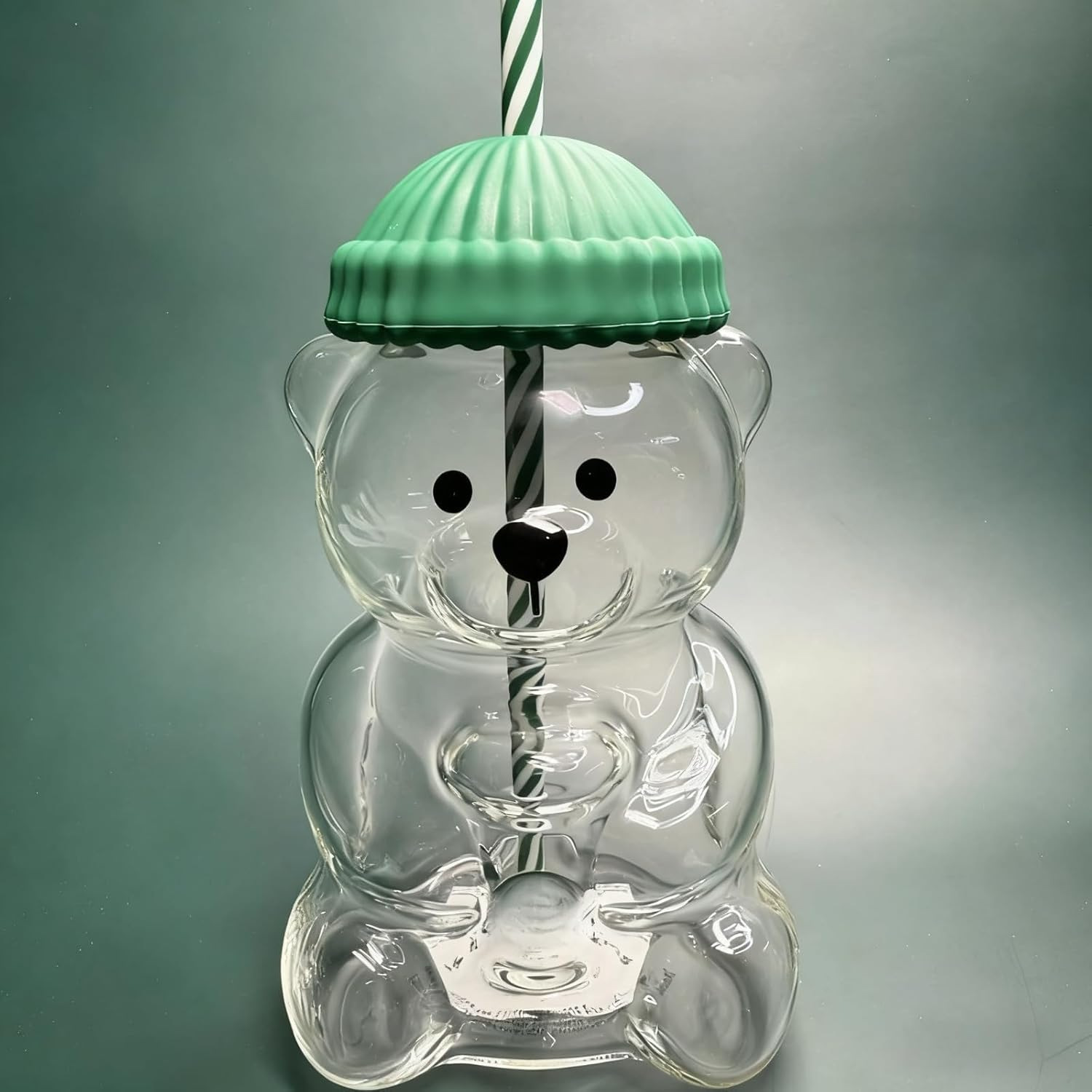
5. Tempered Glass: The Unbreakable All-Rounder
What it is: Soda-lime glass that has been heat-treated or chemically treated for extra strength. When it breaks, it shatters into small, blunt pieces instead of sharp shards.
The Vibe: Practical, safe, and active.
· Perfect for: Pool parties, outdoor cafes, families with young children, RVs, and gym water bottles.
· Why it works: Safety and longevity are key here. You get the clarity of glass with near-plastic durability. It’s the ideal material for patio wine glasses or picnic tumblers where breakage is a real concern.
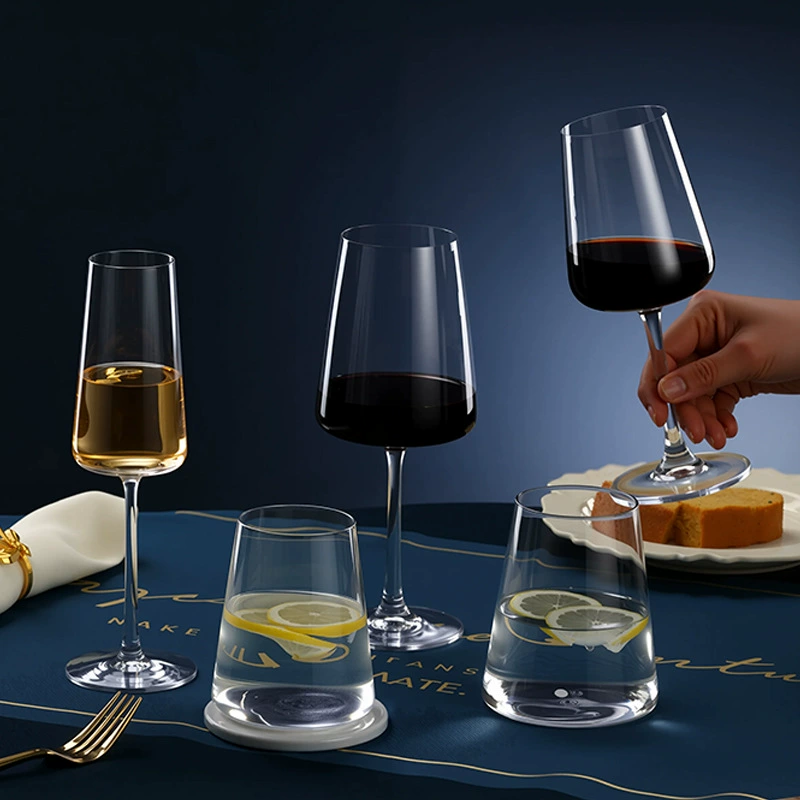
Your Quick Guide to Choosing:
· "Just because it’s Tuesday" Dinner: Lead-Free Crystal or nice Soda-Lime.
· Anniversary Celebration: Traditional Lead Crystal.
· Backyard Barbecue: Tempered Glass or thick Soda-Lime.
· Craft Cocktail Night: Borosilicate Glass.
· Formal Gift: Beautiful Lead Crystal.
· Everyday Wine Drinking: Lead-Free Crystal.
Ultimately, the "right" glass is one that makes your experience better. It’s about the weight in your hand, the clarity of the color, the feel of the rim against your lips, and the way it makes an ordinary moment feel considered. So next time you pour a drink, choose your vessel with intention. Your beverage—and your occasion—will thank you for it.
What’s your go-to glass for a perfect Friday evening? Share in the comments below!


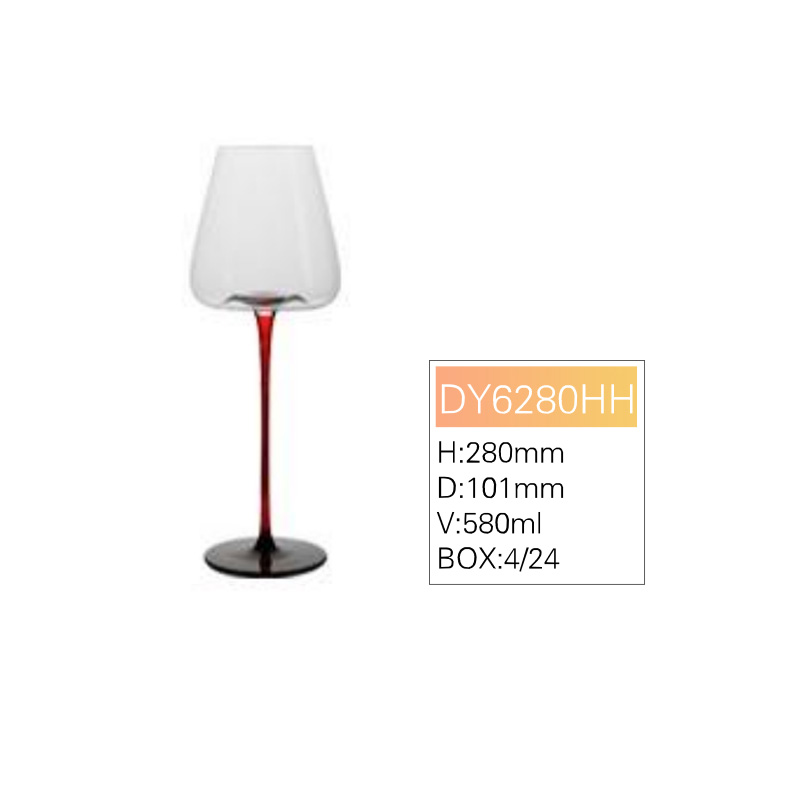 Beyond the Grape: The Delicate Art of Chinese Stemware Craftsmanship
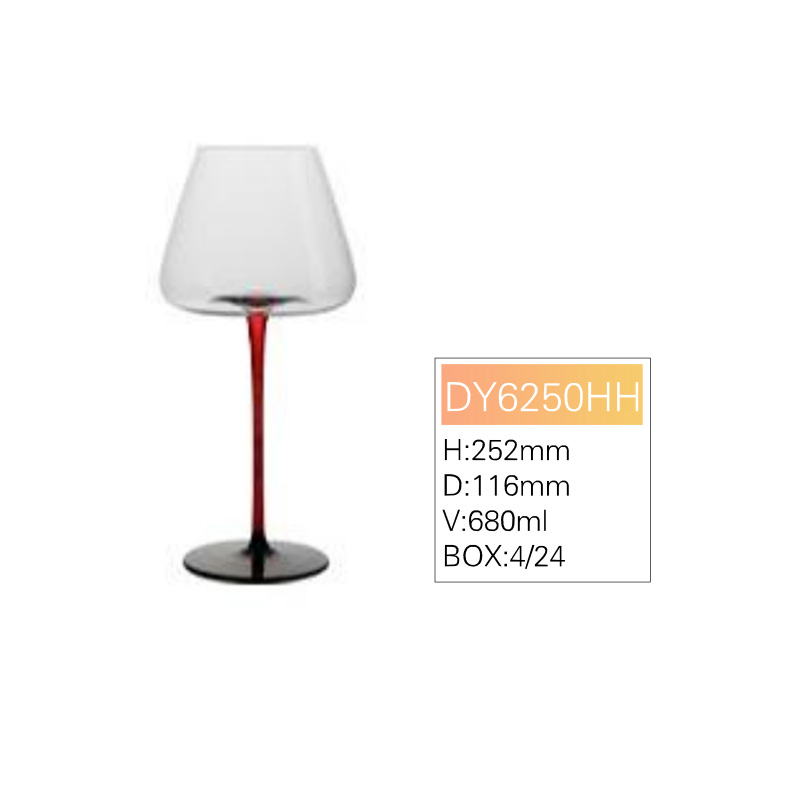 The Art of Color in China‘s Glass Cup Industry
 The Art of Clarity: A Deep Dive into the Craftsmanship of Glassware
 Raise Your Glass: A Guide to Glassware Materials and Types


