


The Origins of the Brandy Glass
Brandy, a spirit distilled from wine or fermented fruit juice, has a rich history that dates back centuries. Its origins can be traced to the Dutch word *brandewijn*, meaning “burnt wine,” a reference to the heating process used in distillation. As brandy gained popularity across Europe, particularly in France, Spain, and England, the need for a suitable glass to enhance its enjoyment became apparent.
The brandy glass, also known as a snifter, evolved alongside the spirit itself. Early versions were simple and utilitarian, but as brandy became associated with aristocracy and luxury, the glassware followed suit. By the 18th century, the iconic tulip-shaped glass with a wide bowl and narrow rim had emerged, designed to concentrate the aromas and flavors of the spirit.

The Anatomy of a Brandy Glass
What makes a brandy glass so distinctive? Let’s break down its key features:
The Ritual of Enjoying Brandy
Drinking brandy from a proper glass is as much about the ritual as it is about the taste. Here’s how to fully appreciate the experience:

The Cultural Significance of the Brandy Glass
The brandy glass is more than just a piece of drinkware; it’s a cultural icon. In literature and film, it’s often associated with sophistication and introspection. Picture a detective in a noir film, pondering a case with a glass of brandy in hand, or a Victorian gentleman by the fireplace, lost in thought. The brandy glass embodies moments of quiet contemplation and indulgence.
It’s also a symbol of celebration and camaraderie. From toasting a milestone to sharing a drink with friends, the brandy glass brings people together. Its presence at special occasions underscores its status as a marker of luxury and tradition.
Modern Interpretations and Trends
While the classic brandy glass remains beloved, modern designers have put their own spin on this timeless piece. Contemporary versions may feature sleeker lines, colored stems, or even unconventional materials. Some glasses are designed specifically for certain types of brandy, such as Cognac or Calvados, with subtle variations in shape to highlight their unique characteristics.
The rise of craft spirits has also renewed interest in brandy and its glassware. As small-batch distillers experiment with innovative techniques and flavors, enthusiasts are rediscovering the joy of savoring these spirits in a proper glass.
Caring for Your Brandy Glass
To preserve the beauty and functionality of your brandy glass, proper care is essential. Hand-wash it with mild soap and warm water, avoiding harsh detergents that can leave residue. Dry it with a soft cloth to prevent water spots, and store it in a safe place where it won’t be knocked over or scratched.
Conclusion: A Toast to Tradition
The brandy glass is a testament to the enduring appeal of tradition and craftsmanship. Its design, rooted in centuries of history, continues to enhance the enjoyment of one of the world’s most beloved spirits. Whether you’re sipping a rare vintage or a modest pour, the brandy glass invites you to slow down, savor the moment, and appreciate the finer things in life.
So, the next time you reach for a bottle of brandy, take a moment to appreciate the glass in your hand. It’s not just a container—it’s a gateway to a world of flavor, history, and elegance. Cheers!
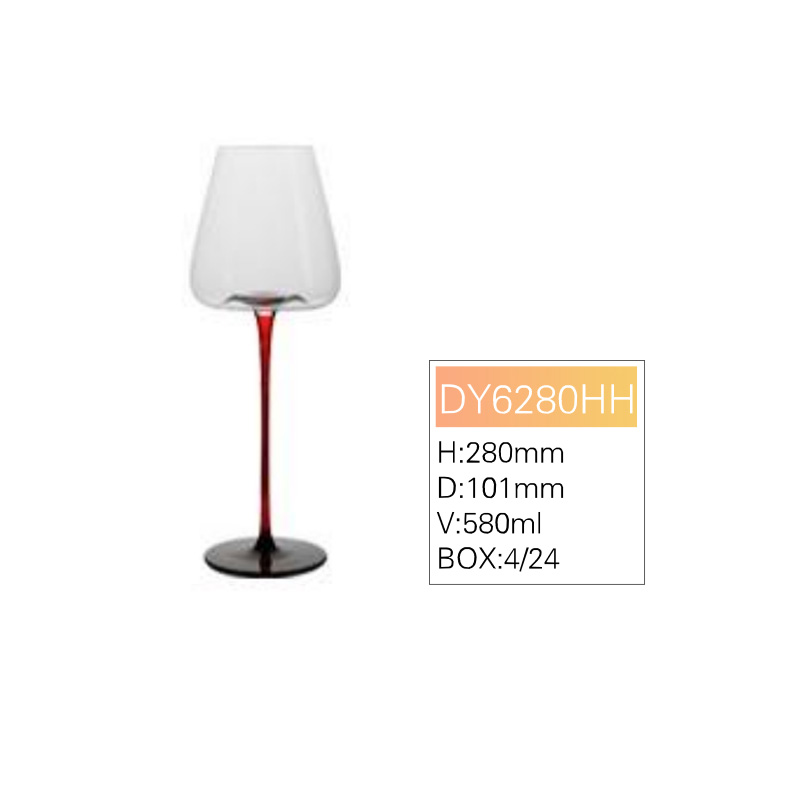 Beyond the Grape: The Delicate Art of Chinese Stemware Craftsmanship
 The Art of Color in China‘s Glass Cup Industry
 The Art of Clarity: A Deep Dive into the Craftsmanship of Glassware
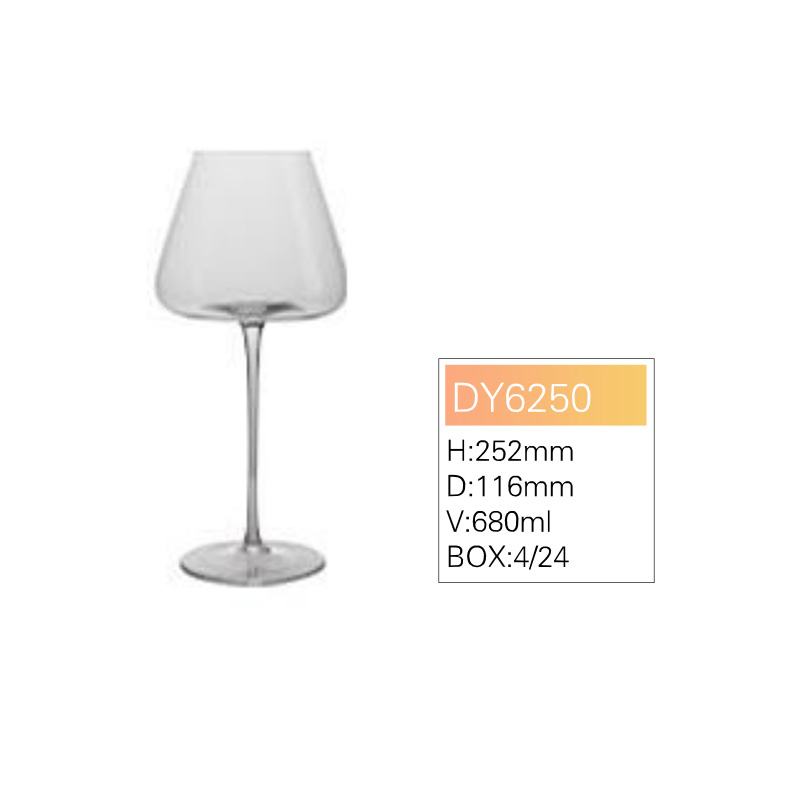 Raise Your Glass: A Guide to Glassware Materials and Types


Guangzhou HeXie Glass Co., Ltd.
Address: No. 22, Building 53, Haotai Hotel Supplies Expo City, Yingbin Road, Luopu Street, Panyu District, Guangzhou
Tel: +86-18011970645
Email: info@hexieglass.com
https://www.hexieglass.com


