The degree of contact between wine and air is directly related to whether the drinker can better enjoy the wine. Generally speaking, wine glass manufacturers will specialize in producing red wine glasses, white wine glasses, champagne flutes, etc. in different shapes according to different types of wine and different requirements for oxidation and serving temperature.

Choosing the right wine glass can enhance the visual impact of your wine as well as the beauty of its aromas and flavors. The following will introduce to you the specific differences between white wine glasses and red wine glasses.
1. Various parts of the wine glass
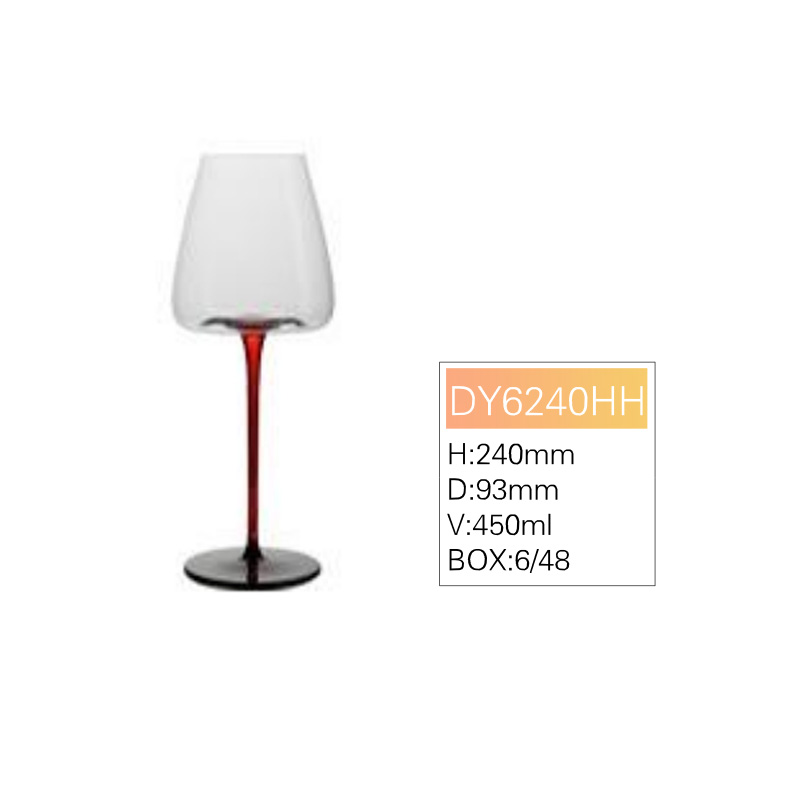
Each wine glass is composed of 3 parts, namely the body, the stem and the base. The type of wine determines what type of wine glass should be used. Red wine glasses and white wine glasses generally have different bodies and stems.
When you start serving wine, be sure to hold the glass by its handle to avoid fingerprints on the glass. When drinking wine, you can decide whether to hold the cup body or the stem according to the specific temperature required.
2. Red wine glass
During the production of red wine, red grapes are pressed with their skins on. Some red grape varieties appear red, but many more will display a bluish hue. Since most grape pulp is green, pressing with the skins can add polyphenols and tannins to the wine, giving the red wine the color and structure it deserves. If red wine is exposed to air for a long time, it helps to eliminate the astringency of tannins, giving the wine a soft and full flavor and aroma.
Red wine glasses expose the wine to more oxygen. They also have wider rims and shorter, rounder bodies, which allow the wine to be more exposed to the air. Red wine glasses usually have longer stems to allow the taster to shake the wine before drinking to further oxidize it. The action of shaking the wine glass can release the aromas in the wine, allowing tasters to smell more complex aromas.
The sweeter flavors and aromas of red wine are more pronounced in warmer environments, but if red wine is consumed at higher temperatures, the wine will give off an unpleasant sensation. After moving the red wine out of the low-temperature wine cellar, let it sober for 20 minutes. You can also hold a red wine glass by the stem to increase the temperature of the wine.
3. White wine glass
White wine does not need to be oxidized like red wine. Since white wine contains less tannin, the taste of white wine will appear sweeter and lighter. This flavor is best enjoyed after cooling down, around 7 degrees Celsius is just right. Lower temperatures reduce the intensity of wine aromas and flavors, so the rim of a white wine glass will be smaller and narrower to reduce the wine's exposure to air. In order to ensure the chilled temperature of white wine, the wine glass needs a taller and thicker handle to make it easier for the taster to hold it.
4. Other aspects
Observing the color and stability of red wine is one of the most important aspects of increasing your wine tasting experience. Because the wine’s “legs”—droplets that reveal the sugar and alcohol content in the wine, and whose color can also reveal the quality and age of the wine—red wine glasses seem to need more transparency. Glass and crystal cups to serve.


 From Flutes to Snifters: A Guide to the Many Types of Stemware
 Red Wine Glasses: A Guide to the Many Shapes and Why They Matter
 How to Identify a One-Piece Drawn Wine Glass: A Practical Guide for Wine Lovers


