


Let’s talk about how to choose the best type of glass to complement your beer style. When it comes to beer, it usually feels like there are only two options: a bottle or a pint glass. Actually, there are countless options for glassware. We'll delve into the realm of beer presentation and make sure your beverages are always presented with style, starting with the large assortment of beer glass shapes and sizes.
It's crucial to comprehend the range of beer glass sizes and varieties and know how to pick the one that best suits your beer preference.
In addition to their many attractive designs, the various kinds of beer glasses that are available for consumption have a special function. Selecting the appropriate glasses can significantly impact your tasting experience, from releasing carbonation at the ideal rate and delivering taste to the precise spot on the tongue to flawlessly catching the scent and avoiding the frothy head.
Ready to take a ship into the world of beer glasses? We’ve got you covered! Here are the 5 must-have beer glass styles for your bar or restaurant.
Best For: Beers like American ales & lagers, Scottish ales, and Irish dry stout beer.
The history of these recognizable beer glasses is deeply ingrained in German beer culture. The stein, which is short for "steinzeugkrug" and means "stoneware jug" in German, has been manufactured from a wide range of materials, including wood, earthenware, and silver, since the early 1500s. Originally intended to keep flies out during the Black Plague, the hinged lids today help to preserve the beer at a consistent temperature by retaining smells and limiting the rate at which carbonation escapes.
The stein is now used more as a memento than as regular glasses. Despite its historical roots, the stein lacks convenience and usefulness.
2. Mugs
Best For: Beers like American ales and lagers, Scottish ales, and Irish dry stouts.
These robust containers are common in bars and pubs all around the world. The glass mug, which originated from the German beer stein, has two uses:
Durability. It is safer to make loud, joyous toasts and easier to keep a strong grasp thanks to the thick glass and handled shape.
Insulation. The mug's handle keeps the beer colder because your hand's warmth has no effect on the beverage's temperature.
Mugs' substantial glass construction, sizable handles, and generous capacity make them ideal for a practical beer experience. Additionally, the delightful clink of a mug can produce a joyous ambiance that enhances the overall pleasure of drinking beer.
Best For: German bocks and maibocks, Belgian IPAs, Belgian ales, Belgian dubbels, tripels and quadrupels, and other beers with a high ABV.
Goblets, or chalices, are beautiful beer glass designs that radiate refinement and beauty. These glasses, which are best described as having a tall, thick stem that supports a bowl, enhance the smells of the beer while enabling consumers to hold the glass without warming it. Even if it's simply another day at your restaurant or bar, they make the drinking experience feel more special.
A wide-mouth goblet is preferred for drinking beers with high gravity or alcohol by volume (ABV) for two reasons:
Goblets are available in a variety of sizes, often weighing between 8 and 18 ounces. They are often elaborate, with ornamental stems and embellishments ringed in gold or silver. Chalices and goblets have the same shape, but chalices are heavier and have thicker walls. The bowl bottom of some chalices is etched. This draws in carbon dioxide and produces constant bubbles that keep the head flawless.
Not in possession of either? In an emergency, you can use a large, 22-ounce wine glass. The wine glass provides the ideal headspace and space to generate an attractive nose because it has the same open bowl as chalices or goblets.
4.Tulip or Thistle Glass
Best For: The tulip glass is well-suited for stronger, aromatic brews, like double IPAs, and Belgian ales. And since Scotland’s official flower is the thistle, the thistle glass is typically used for Scottish ales.
These unusually formed beer glasses are both visually stunning and delightful to sip from. The tulip-shaped bowl of the tulip glass is surrounded by a little stem and footer. This glass is designed to bring out the flavors and scents of malty and hoppy beverages. The rim of the bowl has a little outward flare. The lip that develops serves to highlight and trap the head. The stem keeps the hand from warming the beer, while the rim's bow allows the drink to strike the middle of the tongue.
The thistle is quite similar to the tulip; the difference lies in that it’s slightly taller and less curvy — resembling a thistle blossom. Its large glass bowl also allows for an enjoyable aroma release.
Best For: Some say that this glass is near-perfect for a wide range of beers including American ales, lagers, IPAs, and pilsners. Others believe that no beer should ever be served in a shaker pint, especially big beers or those with big noses.
Oh, the powerful pint glass, a veritable beer icon. Both beer lovers and bar patrons have a particular place in their hearts for the pint glass because of its classic style and robust construction. It's the traditional option for sipping a cool pint of your preferred beer.
The pint glass provides a straightforward method of drinking beer because of its broad mouth and cylindrical form. It makes drinking the beer simple and invites you to enjoy its aesthetic appeal by showcasing its color and purity. You can also drink a significant amount of beer without frequently refilling thanks to the pint glass's generous size.

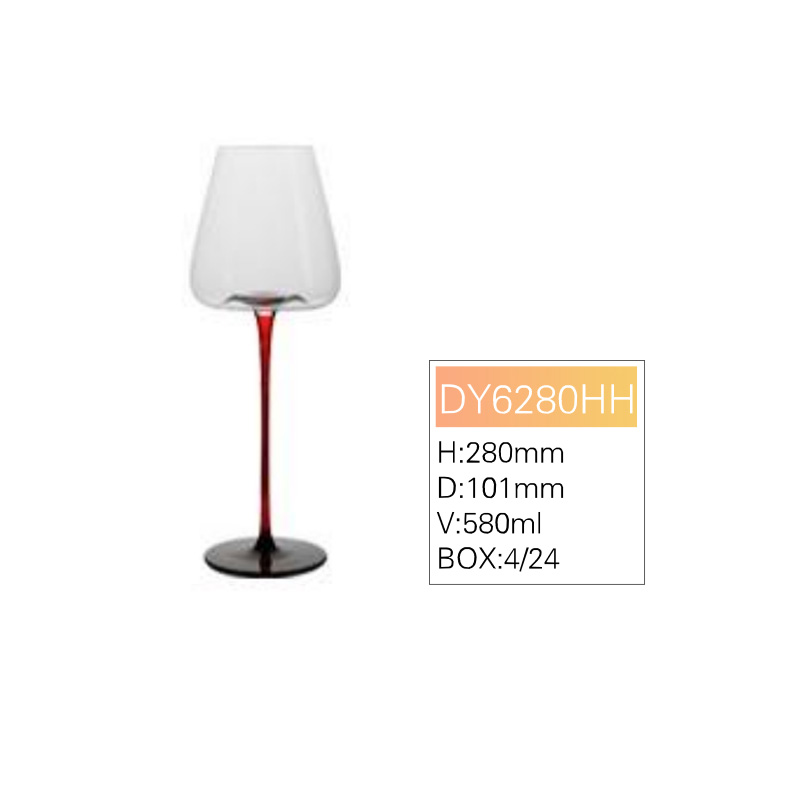 Beyond the Grape: The Delicate Art of Chinese Stemware Craftsmanship
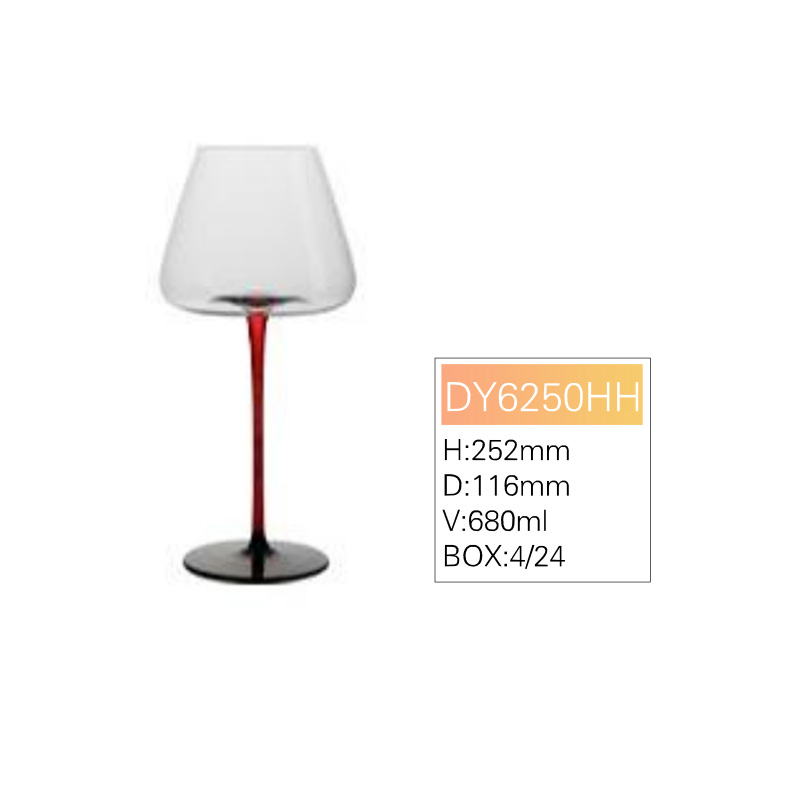 The Art of Color in China‘s Glass Cup Industry
 The Art of Clarity: A Deep Dive into the Craftsmanship of Glassware
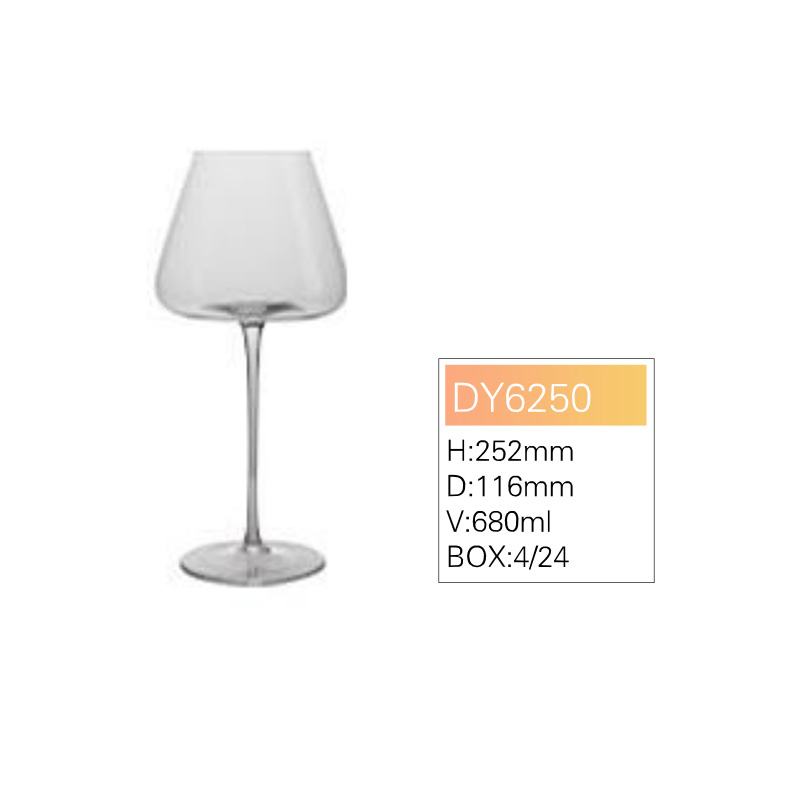 Raise Your Glass: A Guide to Glassware Materials and Types


Guangzhou HeXie Glass Co., Ltd.
Address: No. 22, Building 53, Haotai Hotel Supplies Expo City, Yingbin Road, Luopu Street, Panyu District, Guangzhou
Tel: +86-18011970645
Email: info@hexieglass.com
https://www.hexieglass.com


