


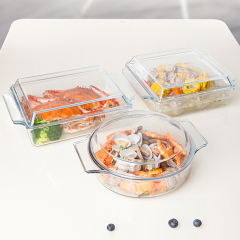

Borosilicate glass has become a popular choice for baking and cooking, but is it safe for baking? In this blog post, we will explore the safety of borosilicate glass and its benefits as a kitchenware material. Glass cookware is a safe and healthy way to store, cook, and reheat food without the fear of plastic chemical leaching into your food. Glass is easy to clean, store and serve from, and baking in it is exciting because you can watch each cooking step through the oven window.
Most glass cookware labeled as "oven-safe" is safe to put in the oven, but you should avoid instant temperature changes that may result in glass cracks and breaks. The baking time and oven temperature the glass can withstand depend on the glass material. Standard glass is not heat-resistant and will begin to break at temperatures of 302-392°F (150-200°C). It is not recommended for use in the oven, and rapid temperature changes can cause it to crack.
High-quality tempered glass is five times stronger than regular glass and can withstand heat of about 482°F (250°C). Borosilicate glass is the safest and healthiest material for glass kitchenware. It is highly heat-resistant and can withstand much higher temperatures than soda-lime glass. Most glassware, from drinking glass to mason jars, is soda-lime glass.
Borosilicate glass is oven-safe, and glassware made of soda-lime glass is a poor candidate for bakeware. However, you should always read and follow the manufacturer's instructions for the recommended upper-temperature limit. Depending on the glass, the temperature limit can vary from 350°F to 500°F (177°C to 260°C), but it is a good idea to stay well below for safety reasons. Most types of glass melt at temperatures around 1112°F (600°C).
As a personal anecdote, my grandmother had a set of borosilicate glassware that she used for baking and serving food. She loved how it retained heat, and the food remained hot for a long time. I remember her making her famous lasagna in a borosilicate glass dish, and the whole family was in awe of how beautifully it cooked. The borosilicate glass was easy to clean and looked beautiful on the dining table.
If you are looking for the best borosilicate glass bakeware, you may consider the HX Glass baking dish. It comes with two 2.3-quart capacity casserole dishes that are oven-safe and perfect for baking lasagna or any other casserole dishes. The divided glass pan comes with a divider, making it easy to separate two dishes in one.
It is essential to note that you should always read the manufacturer's instructions for any glass bakeware you are using. You should avoid any temperature changes that may cause the glass to crack or break.
In conclusion, borosilicate glass is safe for baking and cooking, making it a popular choice among professional chefs and home cooks. It is a healthy way to store, cook, and reheat your food without worrying about plastic chemicals leaching into your food. Borosilicate glass is easy to clean, store, and serve from, and it retains heat, keeping the food hot for a long time. When using glass bakeware, make sure you follow the manufacturer's instructions and avoid any rapid temperature changes that may cause the glass to crack or break.
HEXIE Glass is your perfect partner to clear out all your bakeware confusion and raise a toast to a memorable baking experience!
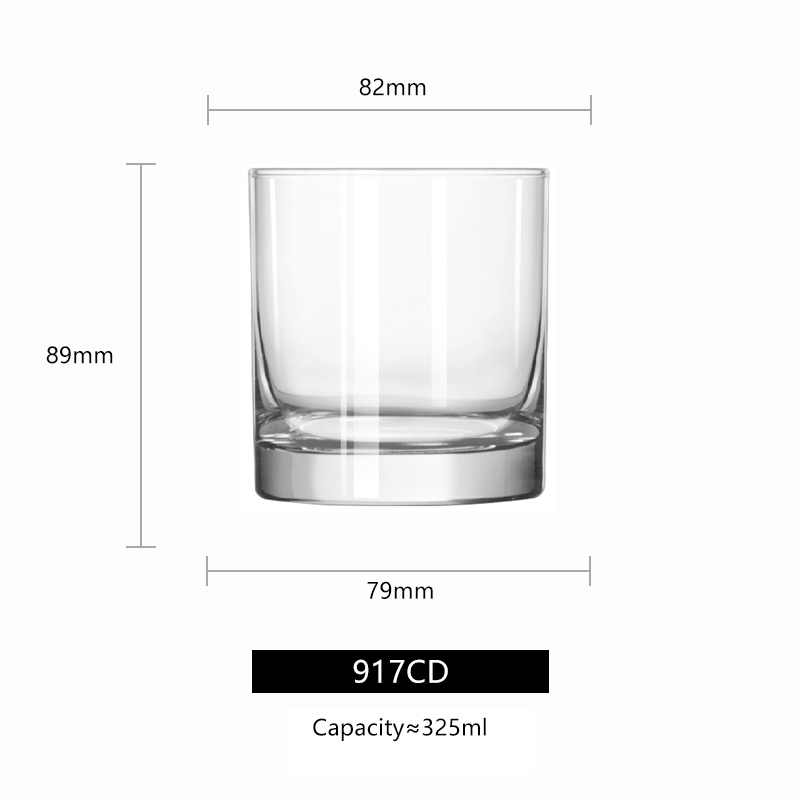 Behind the Sparkle: The Craftsmanship of Libbey Glassware
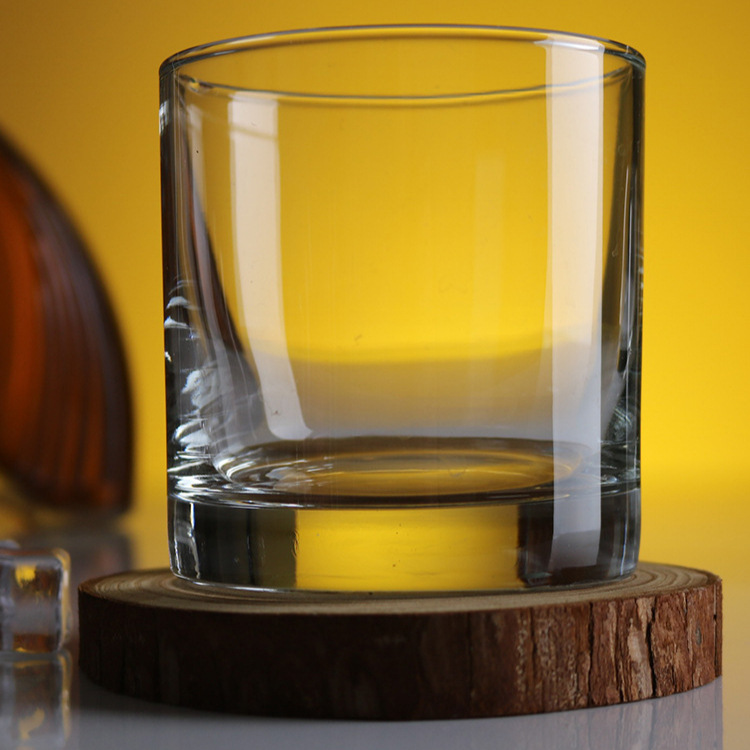 Tempered Glass
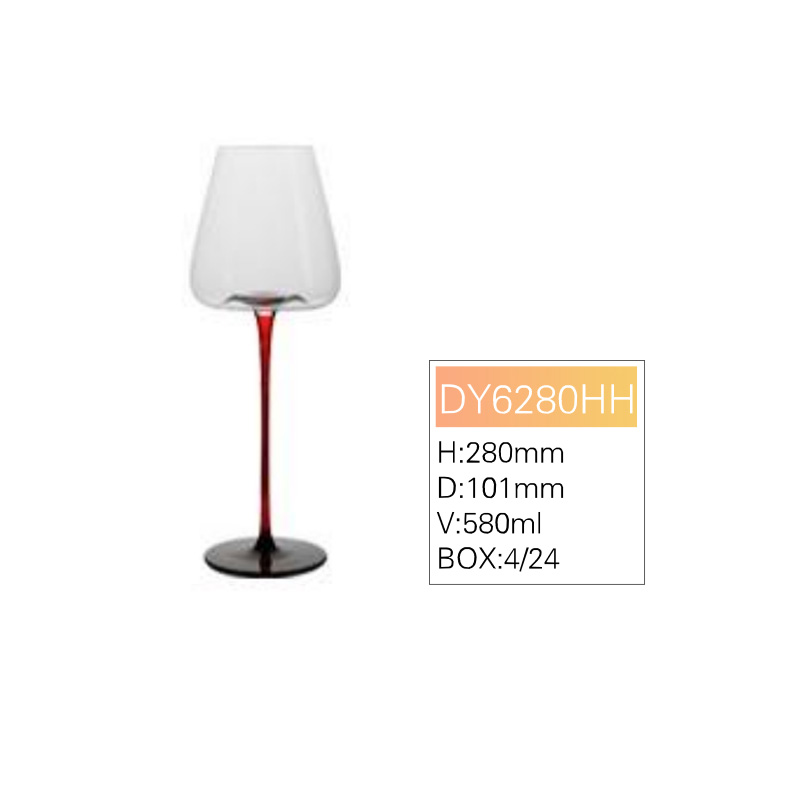 Beyond the Grape: The Delicate Art of Chinese Stemware Craftsmanship
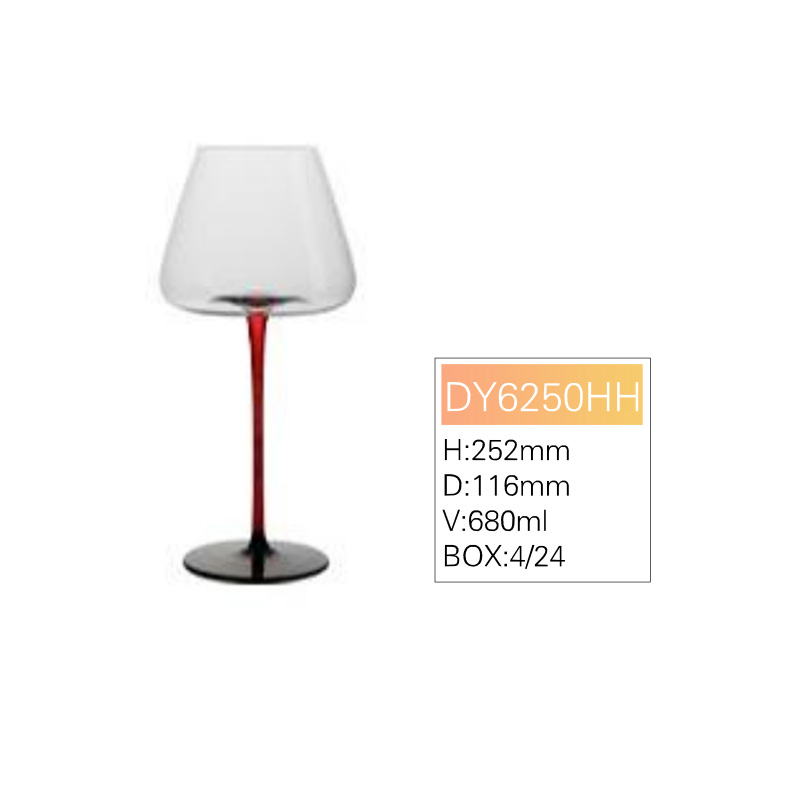 The Art of Color in China‘s Glass Cup Industry


Guangzhou HeXie Glass Co., Ltd.
Address: No. 22, Building 53, Haotai Hotel Supplies Expo City, Yingbin Road, Luopu Street, Panyu District, Guangzhou
Tel: +86-18011970645
Email: info@hexieglass.com
https://www.hexieglass.com


